


See all results for ""

 Anytime
 Tiếng ViệtEnglish
 한국어
한국어 日本語
日本語 简体中文
简体中文 Français
 Deutsch
 Español
 Italiano
 Русский


 Login for Corporates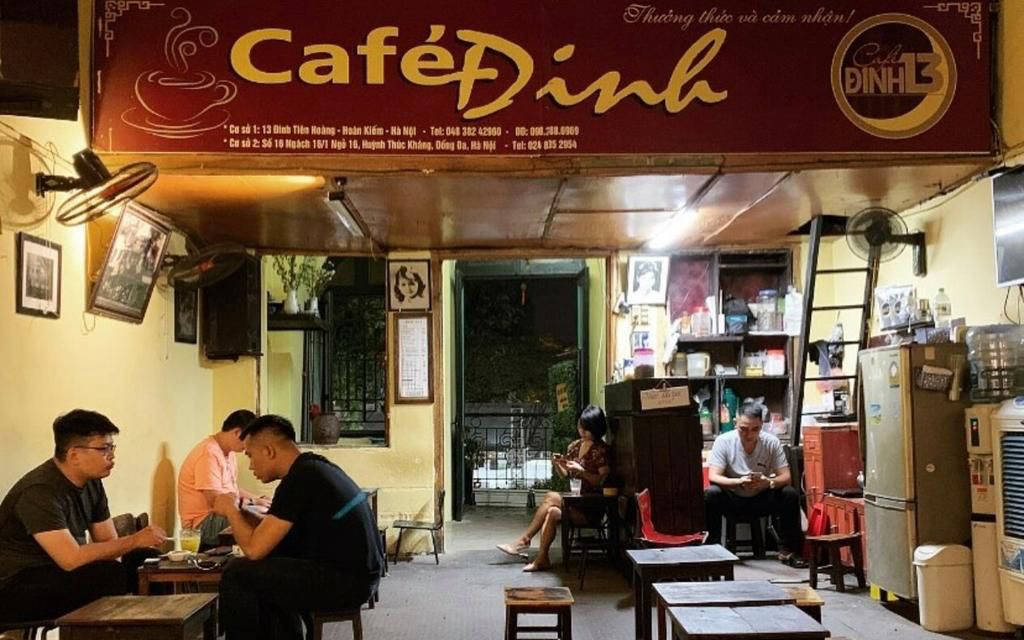



Top 5 Quán Cafe Bệt Hà Nội nổi Tiếng
 Hà Nội, Việt Nam
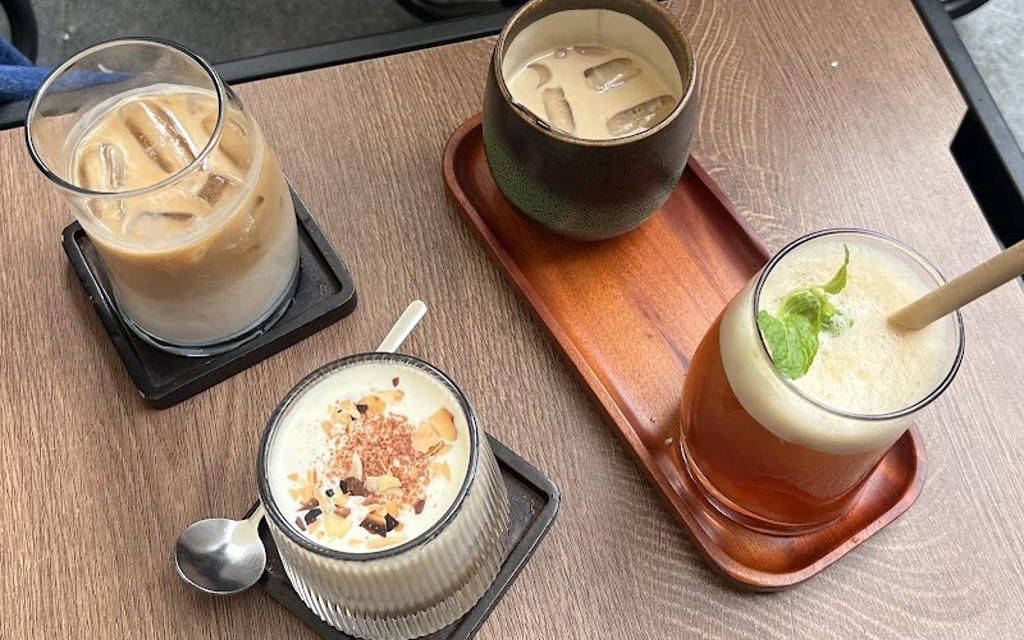
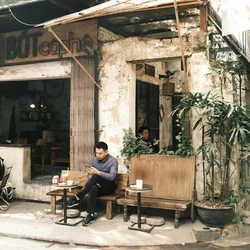
Một ly café nóng trong không gian tĩnh lặng và yên bình cũng là một cách để giảm căng thẳng và tận hưởng cuộc sống. Chính bởi thế, Hà Nội ngày nay có rất nhiều quán café đẹp, đa dạng về kiến trúc với không gian ấn tượng. Café bệt là một trong những loại hình được yêu thích như vậy.
1. Cà phê bệt là gì?
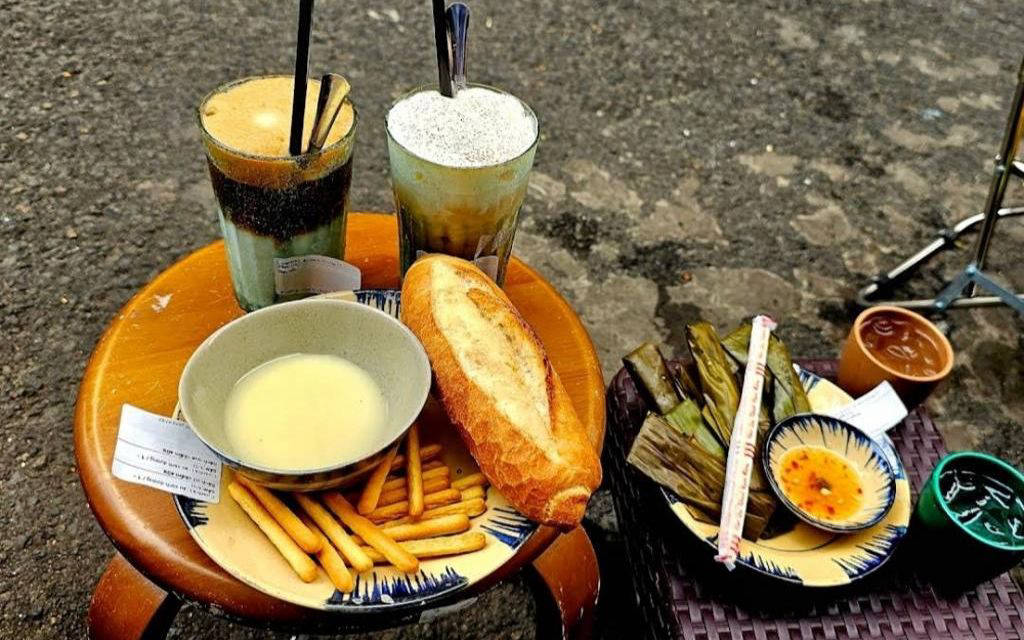
Cà phê bệt là kiểu thưởng thức cà phê mà khách ngồi trực tiếp trên nền đất, bậc thềm, bãi cỏ hoặc ghế thấp ngoài trời thay vì bàn ghế cao truyền thống. Không gian cà phê bệt thường gần gũi, thân thiện, dễ trò chuyện và tạo cảm giác tự do, không gò bó.
Ở Việt Nam, cà phê bệt không chỉ là một hình thức uống cà phê, mà còn là một nét văn hóa đường phố – nơi bạn vừa nhâm nhi tách cà phê, vừa cảm nhận nhịp sống chậm rãi của thành phố.
2. Điểm đặc biệt của cà phê bệt Hà Nội so với Sài Gòn
Không gian & khí hậu: Cà phê bệt Hà Nội thường mang nét hoài cổ, xen lẫn trong các con phố nhỏ, góc phố cũ, dưới bóng cây xanh hay trước những ngôi nhà Pháp cổ. Mùa đông Hà Nội se lạnh khiến việc ngồi bệt nhâm nhi cà phê càng thêm thi vị. Trong khi đó, cà phê bệt Sài Gòn gắn liền với công viên rộng, vỉa hè thoáng, nắng ấm quanh năm.
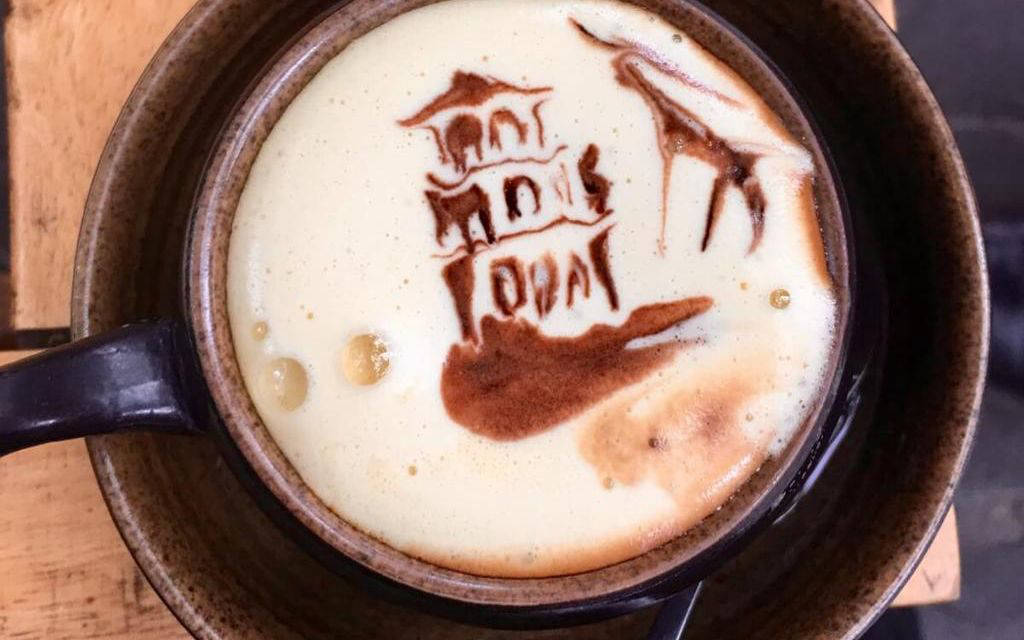
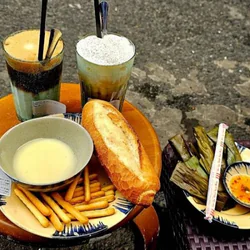
Phong cách thưởng thức: Ở Hà Nội, cà phê bệt thường gắn với văn hóa cà phê trứng, cà phê phin, cold brew thủ công và những câu chuyện nhẹ nhàng bên tách trà nóng. Sài Gòn lại nghiêng về cà phê sữa đá, trà đào, nước ép trái cây mát lạnh.
Không gian xung quanh: Quán cà phê bệt Hà Nội thường có view phố cổ, đường tàu, hồ nước, hoặc ẩn mình trong các con ngõ nhỏ; còn ở Sài Gòn, bạn dễ bắt gặp cà phê bệt tại những điểm tập trung đông người như Nhà thờ Đức Bà, Công viên 30/4.
3. Các quán cà phê bệt Hà Nội được yêu thích
3.1. Ringo Lingo Cafe – Dưới tán cây táo
Địa chỉ: 65 P. Trần Quốc Toản, Trần Hưng Đạo, Hoàn Kiếm, Hà Nội
Không gian: Quán nhỏ màu đỏ nổi bật dưới tán cây táo xanh, phía sau là ngôi nhà Pháp cũ. Gốc cây đặt ngay quầy pha chế, vài chiếc ghế trước cửa mang vibes đậm chất Hà Nội.
Đồ uống & món ăn: Cold Brew cam chanh thanh mát, cheese cake 35k béo ngậy.
Điểm nhấn: View phố, đối diện là tiệm tranh phong cách Hội An, bên cạnh là quầy tạp hoá xóm nhỏ.
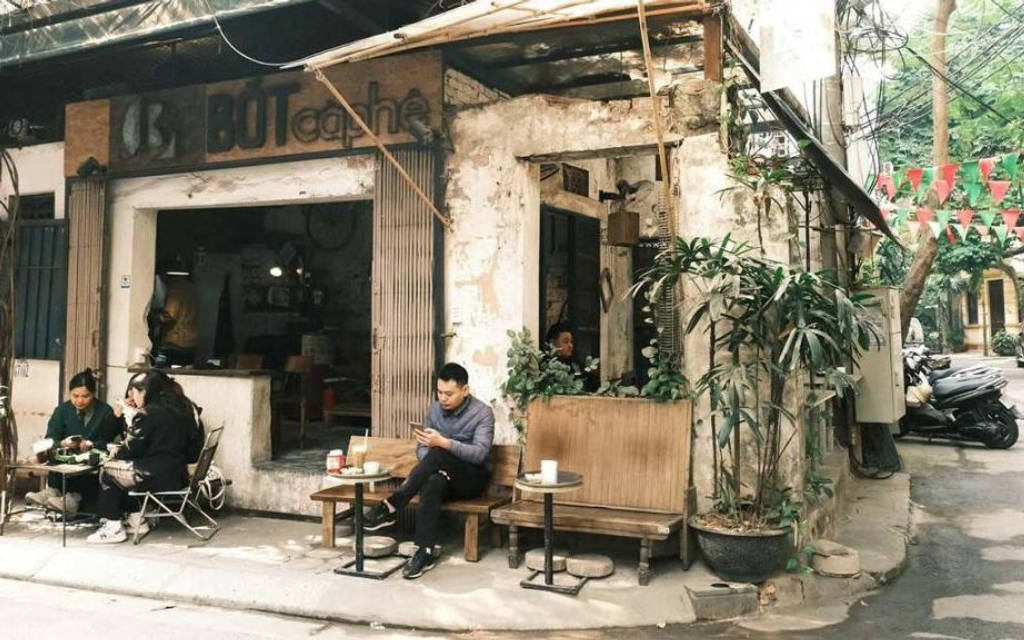
3.2. Bốt Cafe – Hà Nội xưa yên bình
Địa chỉ: 18B ngõ 18 Võ Văn Dũng, phường Chợ Dừa, Hà Nội
Giờ mở cửa: 07:00 – 23:00 hàng ngày
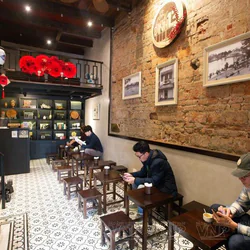
Không gian: Vintage hoài niệm, nội thất gỗ, ánh đèn vàng ấm áp.
Menu: Cà phê nguyên chất, trà, nước ép, bánh ngọt.
Giá tham khảo: 20.000 – 50.000 VNĐ.
3.3. No.10 Cafe – Góc phố yên tĩnh
Địa chỉ: 10 P. Tăng Bạt Hổ, Hai Bà Trưng, Hà Nội
Giờ mở cửa: 07:00 – 19:00 hàng ngày
Không gian: Rộng rãi, thoáng mát, có phòng máy lạnh.
Đặc sản: Cà phê, sinh tố, nước ép pha chế tỉ mỉ.
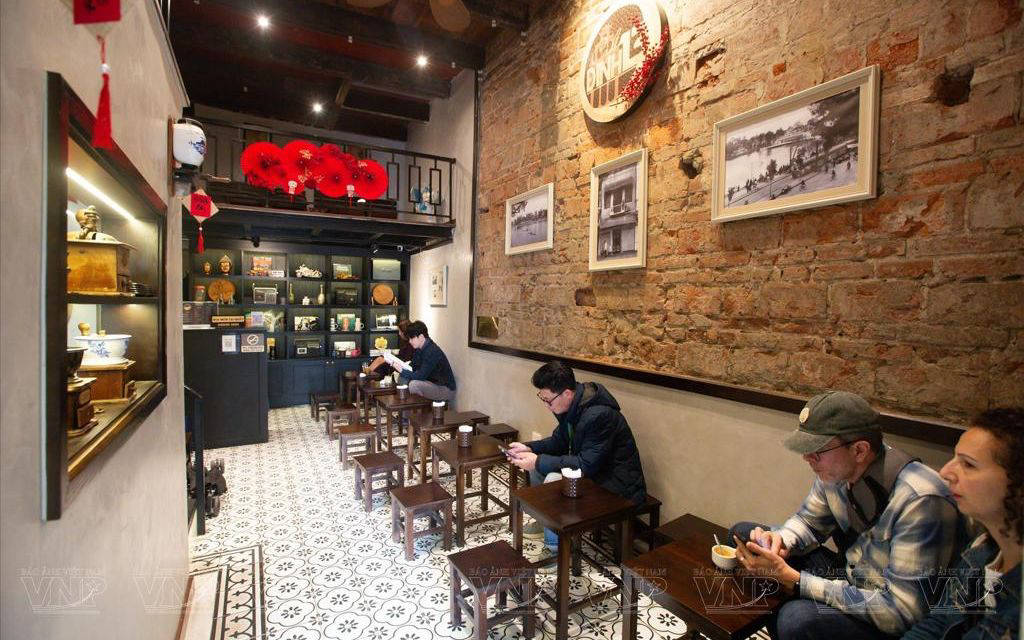
3.4. Đinh Cafe – Cà phê trứng giữa phố cổ
Địa chỉ: 13 P. Đinh Tiên Hoàng, Hàng Trống, Hoàn Kiếm, Hà Nội
Giờ mở cửa: 07:00 – 22:00 hàng ngày
Không gian: Tầng 2 trong ngõ nhỏ phố cổ, cổ kính và ấm cúng.
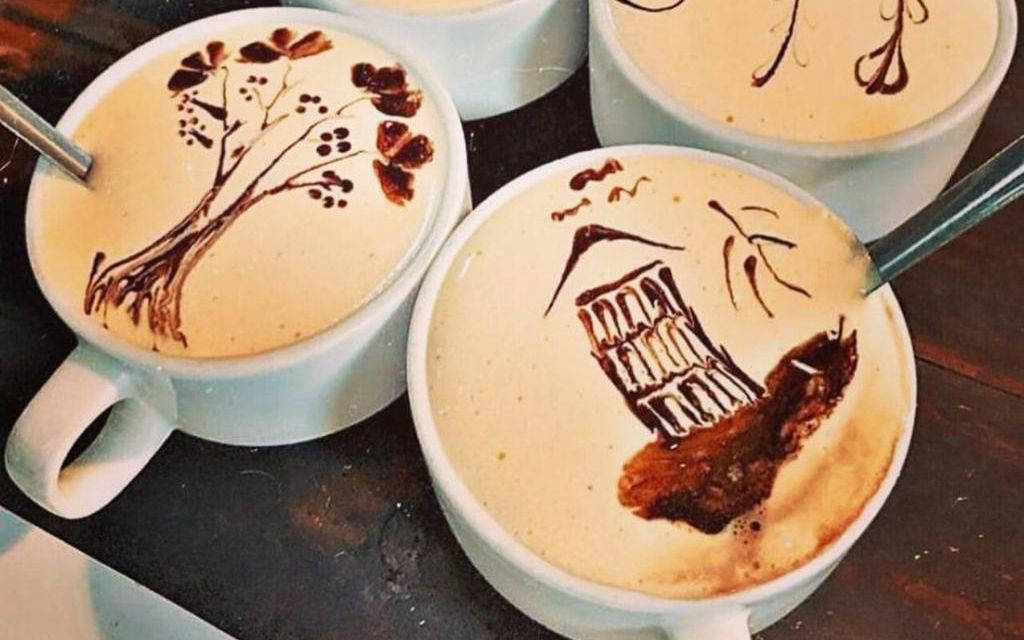
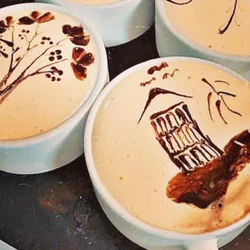
Đặc sản: Cà phê trứng béo mịn, là quán cafe rock lâu đời nhất Hà Nội còn tồn tại.
3.5. 11 Present – View đường tàu độc đáo
Địa chỉ: 16D P. Phùng Hưng, Hàng Mã, Hoàn Kiếm, Hà Nội
Giờ mở cửa: 08:30 – 22:30
Không gian: Quán nhỏ kiểu studio, tone đen – trắng tối giản, có bàn ngoài vỉa hè và chỗ ngồi trong nhà sát ô kính ngắm tàu chạy qua.
Đồ uống sáng tạo:
Alice in Brewland: Cold Brew mix quất, syrup cam.
Oni: Cà phê kem béo mix vani, sữa.
Giá: Khoảng 50.000 VNĐ.
4. Kinh nghiệm đi cà phê bệt Hà Nội
Nên đi vào sáng sớm hoặc chiều muộn để tránh nắng gắt.
Mang theo áo khoác mỏng vào mùa đông để ngồi ngoài trời thoải mái hơn.
Nếu muốn chụp ảnh đẹp, chọn chỗ có ánh sáng tự nhiên và góc nhìn ra phố.
Thử những món đặc trưng của từng quán để cảm nhận sự khác biệt.