


See all results for ""

 Anytime
 Tiếng ViệtEnglish
 한국어
한국어 日本語
日本語 简体中文
简体中文 Français
 Deutsch
 Español
 Italiano
 Русский


 Login for Corporates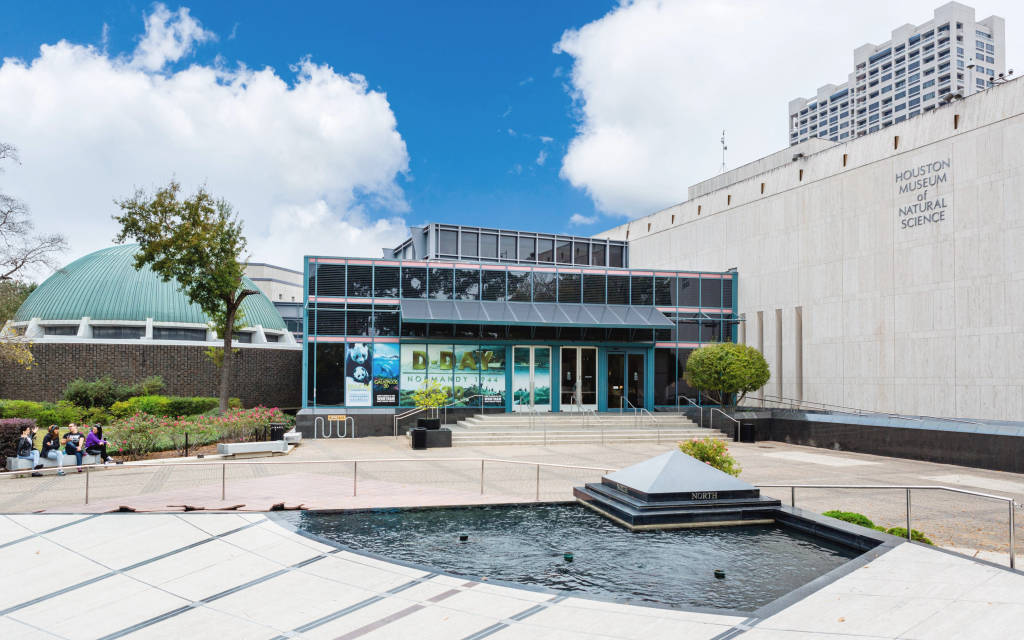
Houston Museum of Natural Science
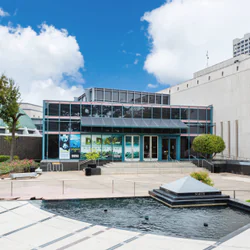
 5555 Hermann Park Dr, Houston, TX 77030, USA
The Museum of Natural Science, which welcomes more than 2 million visitors each year, is where Houstonians learn about natural history, education, and science through regular and special exhibits.
The museum was founded in 1909 by the Museum as the Houston Science Association. The museum's main collection acquired between 1914 and 1930 includes the natural history collection collected by Henry Philemon Attwater and the collection donated by John Milsaps who later built the collection. the museum's precious gem and mineral collection. The museum was officially renamed the Houston Museum of Natural Science in 1960. Construction of the current facility in Hermann Park began in 1964 and was completed in 1969.
By the 1980s, the museum's permanent exhibits included a dinosaur exhibit, a space museum, and exhibits on geology, biology, petroleum science, technology, and geography.
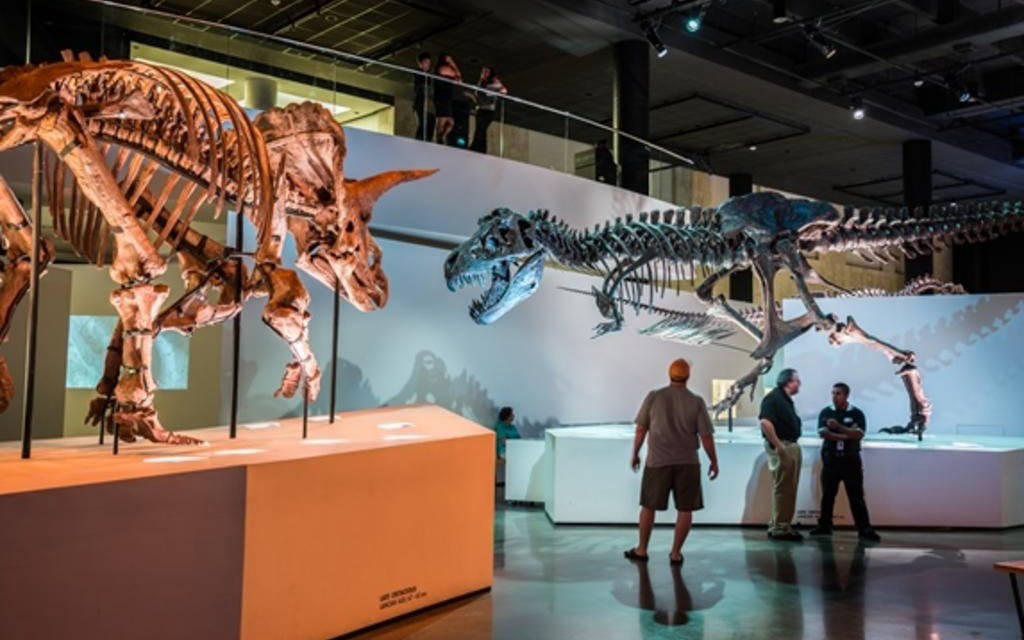
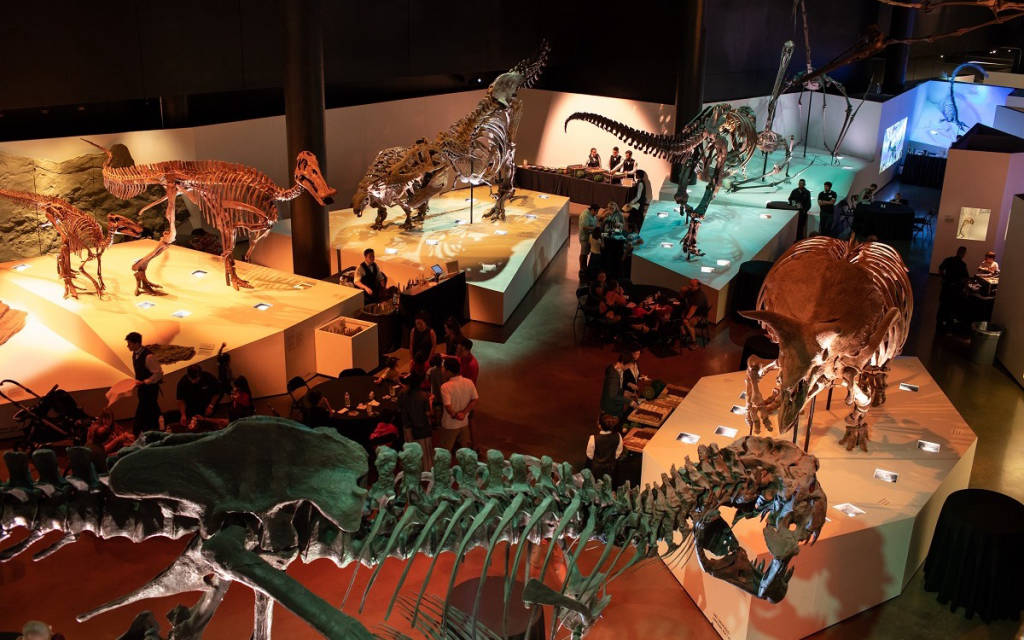
The Wortham IMAX Theater and the George Observatory outside were opened in 1989. The Cockrell Butterfly Center and Brown Entomology Hall of Fame opened in July 1994. On October 3, 2009, HMNS opened the museum. its satellite store in Telfair, Sugar Land in the former prison of the Texas Department of Criminal Justice, which had been vacant for several decades. In March 2012, the Wortham IMAX Theater was converted from 70 mm film to digital 3D and renamed the Wortham Giant Screen Theatre. In June 2012, the museum opened a new 70,000 square meter wing to house a paleontology lobby containing more than 60 large skeleton stands of six dinosaurs (3 Tyrannosaurus rex and three Quetzalcoatlus). large), more than doubling the area of the original museum.
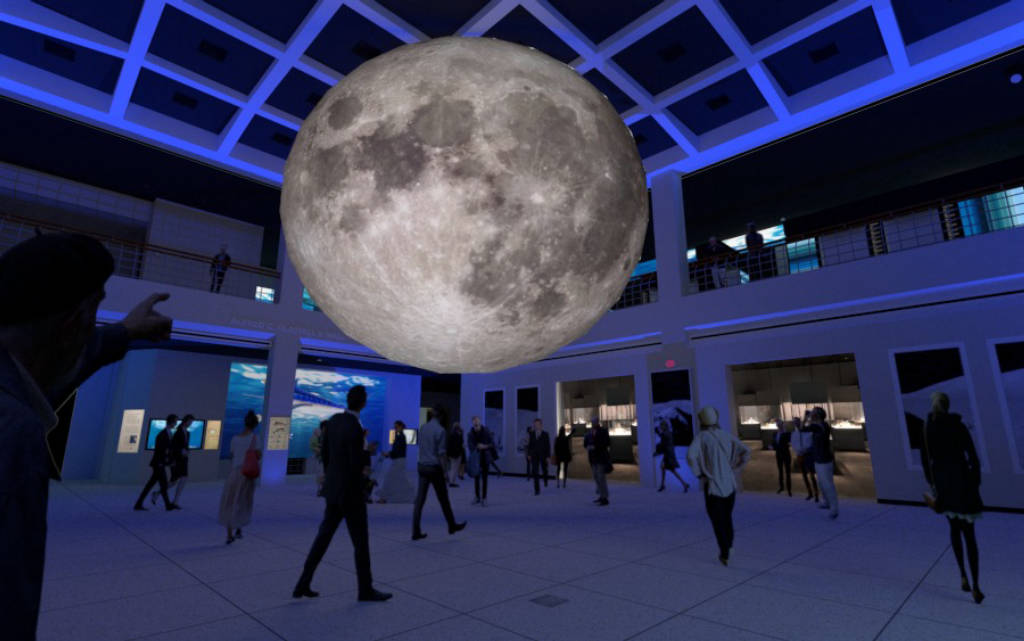
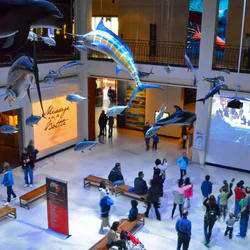
Today, the Houston Museum of Natural Science is a complex consisting of several components: a central four-story facility with natural science halls and exhibits, the Burke Baker planetarium, the butterfly center Cockrell and the Wortham giant screen theatre.
Here are some notable areas of the Houston Museum of Natural Science:
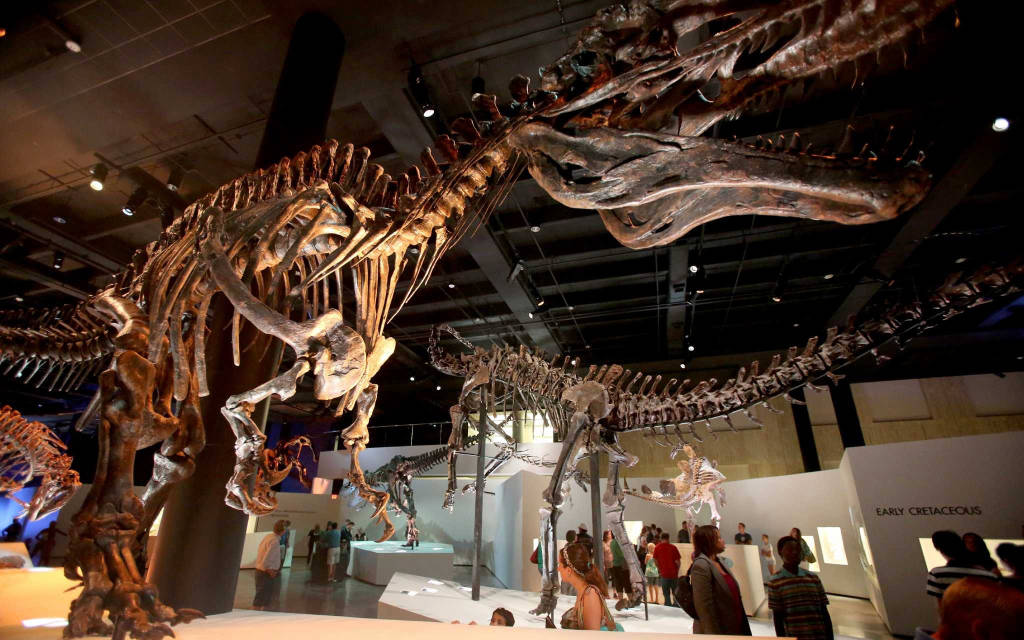
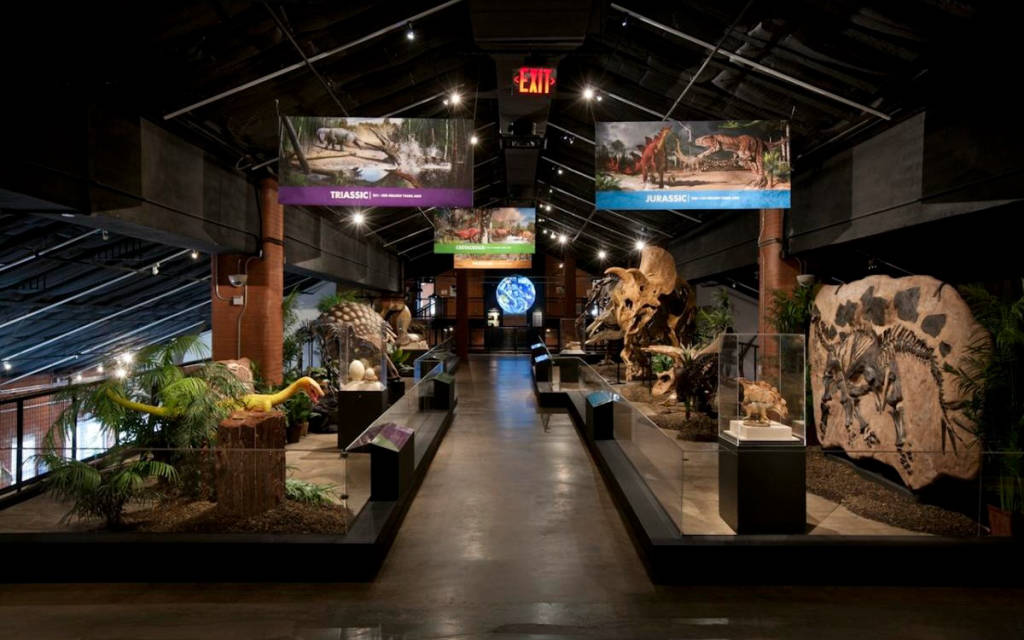
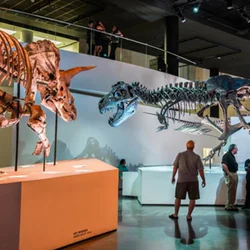
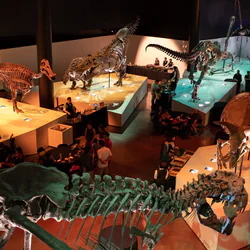
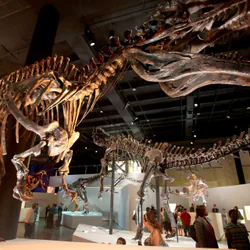
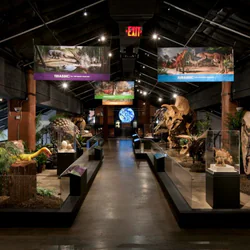
The museum's paleontology lobby is home to more than 450 fossil specimens and fossil replicas, offering a vivid look at the incredible 3.5 billion-year-old story of life on Earth. From the humble Trilobite to the Tyrannosaurus Rex, this gallery brings visitors first-hand the creatures that once ruled our planet.
Farish Hall offers the richest collection of Texas wildlife anywhere with over 425 specimens representing more than 250 species on display. Some animals, such as rattlesnakes and skunks, actually "come to life" with robot movements and sounds after being activated by museum visitors.
The spectacular Gems and Minerals Pavilion is home to a collection of gems and minerals with over 750 specimens of the world's best display quality. Display cases move around the lobby area and fiber optic lighting provides an optimal view of these dazzling treasures for visitors.
The Foucault Pendulum (named after Jean Bernard Leon Foucault, the French physicist who invented it) is a visual demonstration of the Earth's rotation that is also on display here. During the day, the direction of the pendulum seems to change. In fact, the Earth is rotating with the pendulum as it rotates. At latitude Houston (30°N.), the pendulum will move through 180° or half a revolution every day.
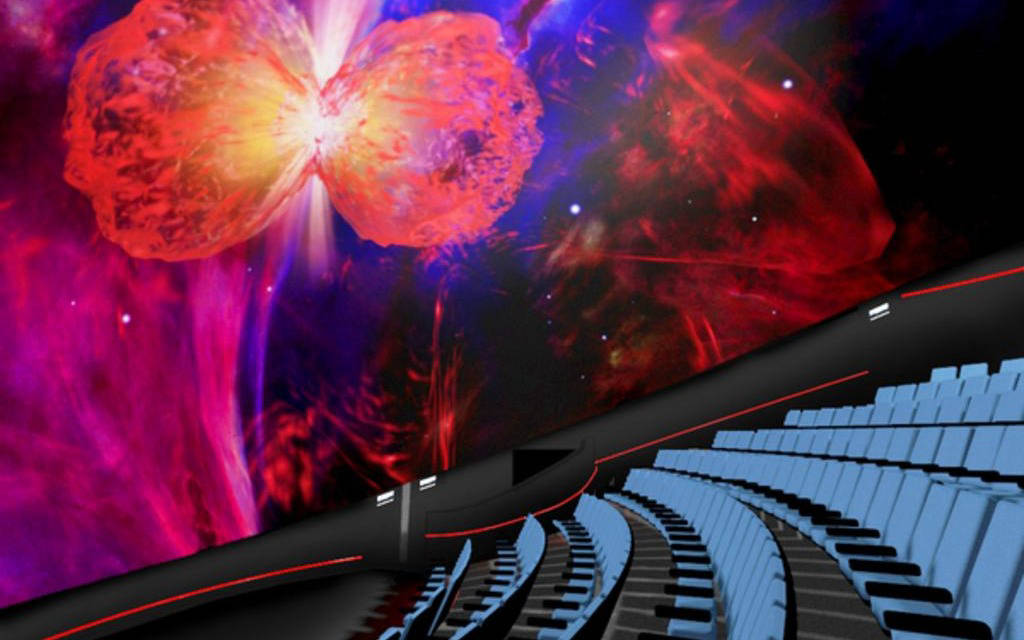
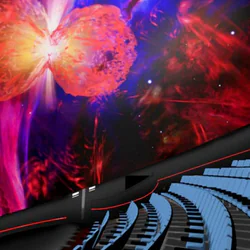
The Burke Baker Planetarium presents astronomical programs to millions of visitors with an upgraded existing Digistar 6, the world's leading digital planetary software and projection system. The Digistar 6 system allows visitors to fly through space, experience the vastness of space, roam the planet's surface, navigate asteroid fields, and watch the latest full shows. The exhibition programs here include: Journey to visit and learn about black holes like monsters lurking in the galaxy; A party of stars led by Patrick Stewart travels through the solar system and into the Universe; The dark side of the moon through a laser show and a brand new digital revolution of visuals and sounds; The flight through space and deep into galactic space is guided by Tom Hanks.
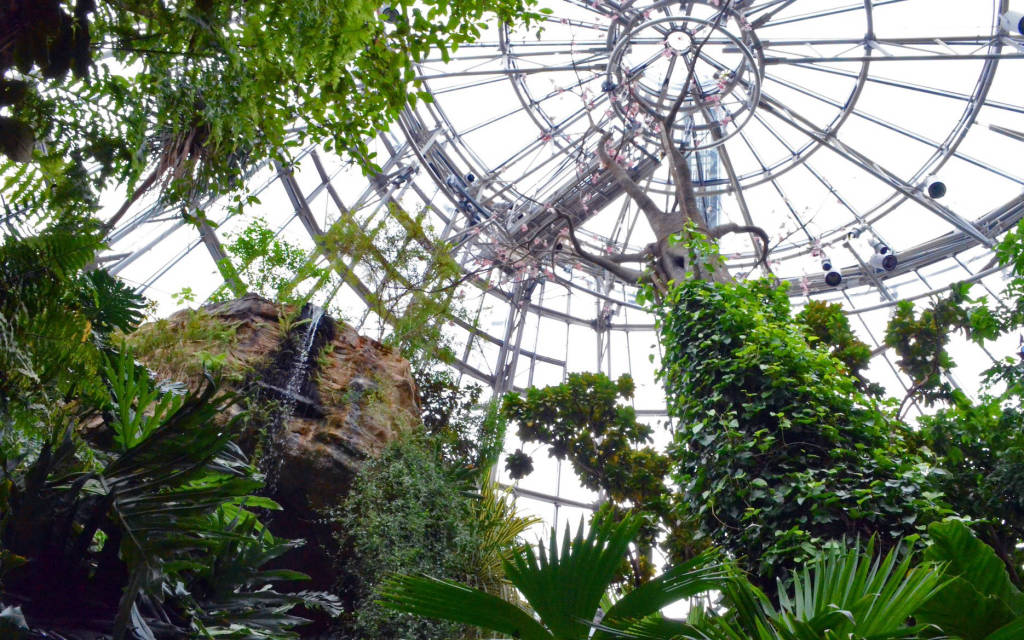
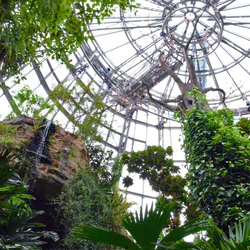
The Cockrell Butterfly Center is a beautiful, lively exhibit showcasing hundreds of species of butterflies that live in a natural rainforest setting. The central greenhouse is an impressive three-story glass cone filled with exotic tropical plants and butterflies. On a typical tour, one can expect to see 50 to 60 different species of the world's largest and most colorful butterfly, flying in the fresh air, hovering over flowers or sipping juice and, occasionally, landing on visitors! Butterflies are raised on special butterfly farms in tropical Asia and North, Central and South America, and are shipped to the Center.
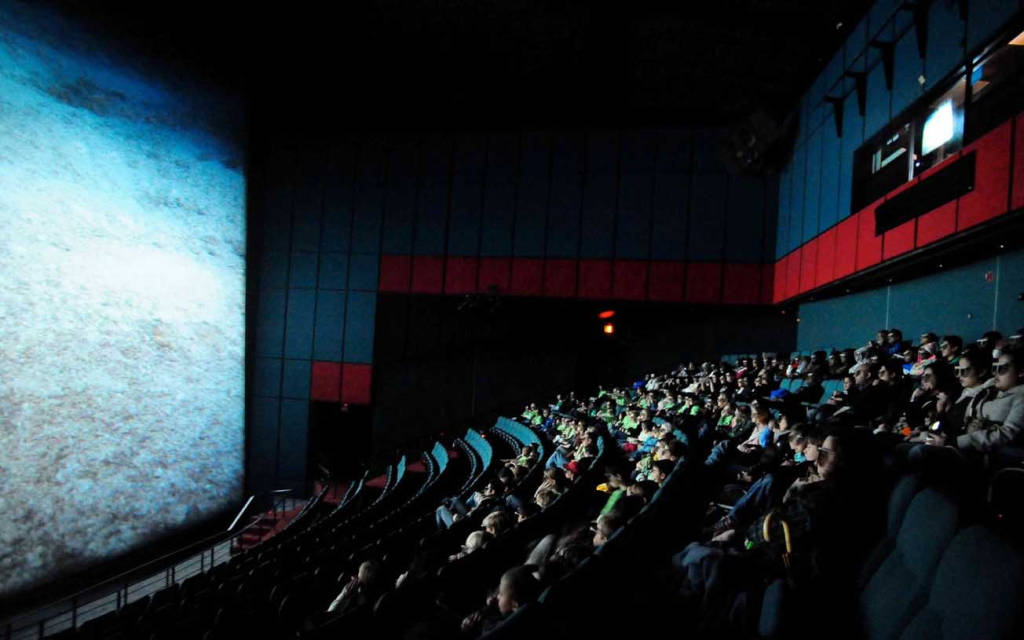
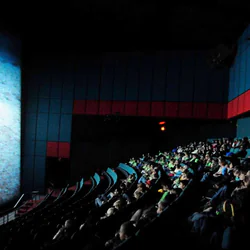
The Wortham Giant Screen Theater offers visitors a giant screen movie viewing experience with new and improved technologies. The theater is equipped with cushy seats and high dynamic range (HDR) screens that envelop audiences in realistic stories of wildlife, oceans, weather phenomena and even distant places and New modern digital lights and sounds complete the effect. Houston's first IMAX theater to offer state-of-the-art 4K digital projection produces astonishing 3D images nearly eight stories high. Outstanding size, clarity and impact, enhanced by a superb six-track sound system, is projected onto a giant 60-inch x 80-inch screen.
Website : www.hmns.org
Phone : (713) 639-4629
Hours of Operation :
Monday - Sunday: 09:00 - 17:00
Permanent exhibition open on Thursdays for free: 14:00 - 17:00
Special Exhibition: 10:00 - 17:00 Monday - Sunday
Giant Screen Theater: 10:00 - 16:00 from Friday - Sunday
Planetarium:
- 12:00 - 14:00 on Wednesdays and Thursdays
- 12:00 - 16:00 from Friday - Sunday
Butterfly Center: 09:00 - 17:00 Monday - Sunday
Ticket price :
Permanent exhibition: adults $25; children 16$
Special exhibition: adults 30$; children 20$
Planetarium: adults $9; kids 8$
Butterfly Center: adult $12; children 10$
Giant screen theater: adults 10$; children 9$