


 Tiếng ViệtEnglish
 한국어
한국어 日本語
日本語 简体中文
简体中文 Français
 Deutsch
 Español
 Italiano
 Русский


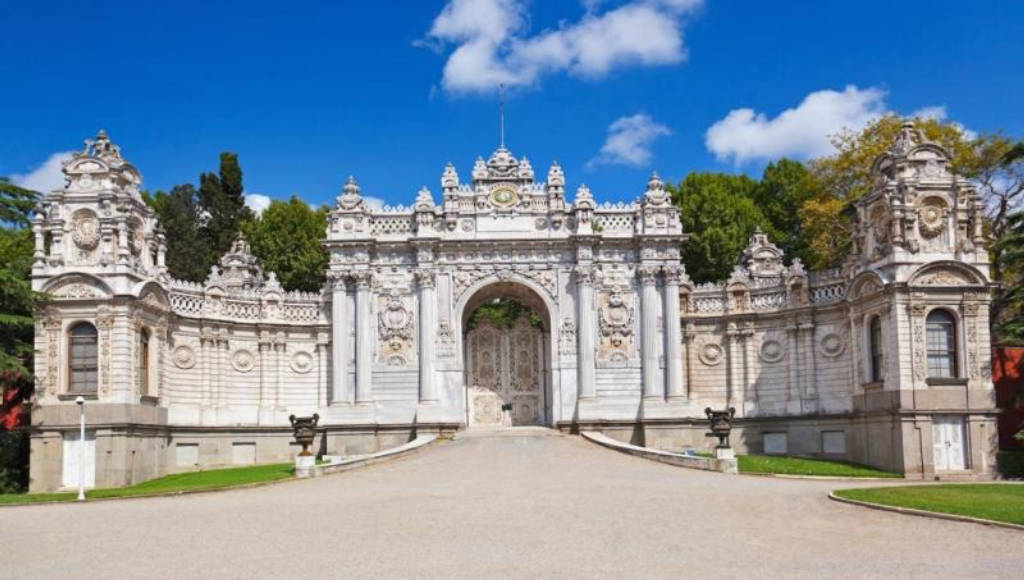
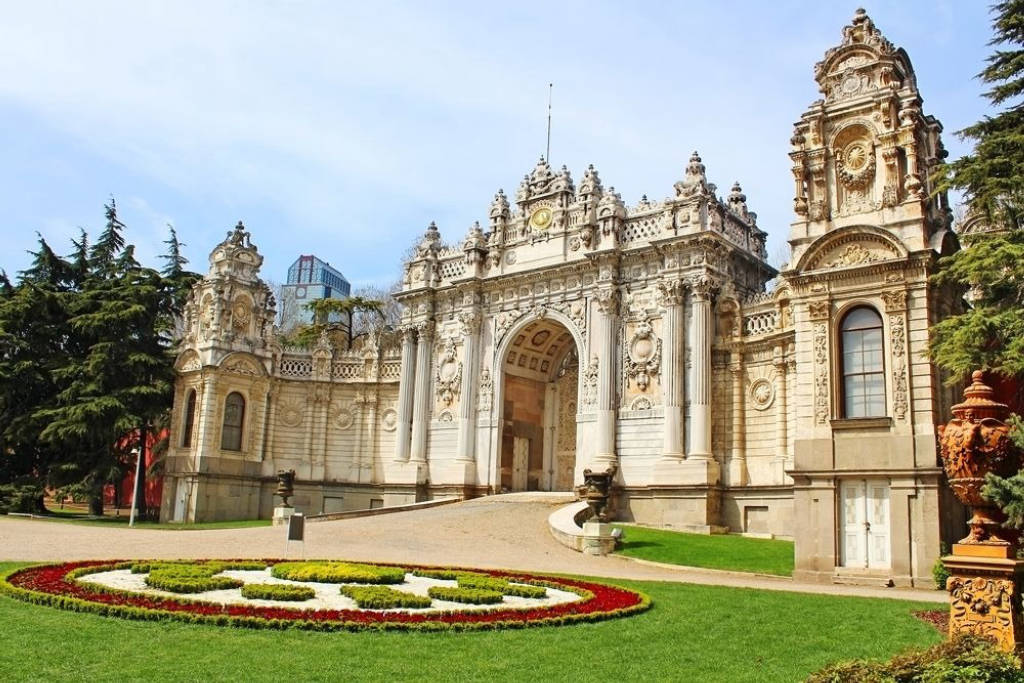
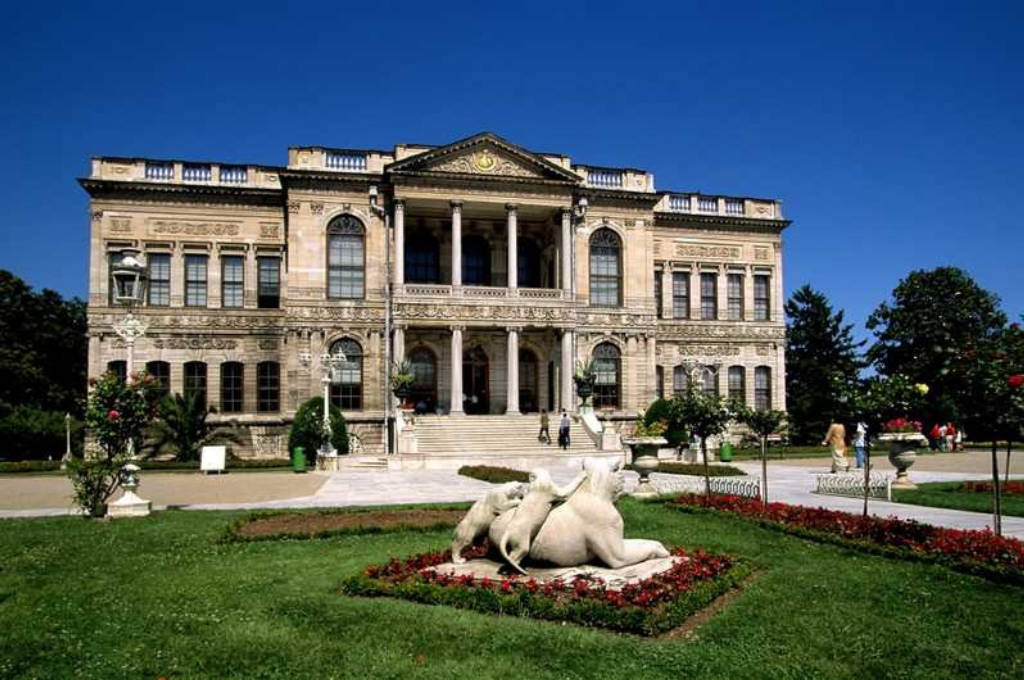
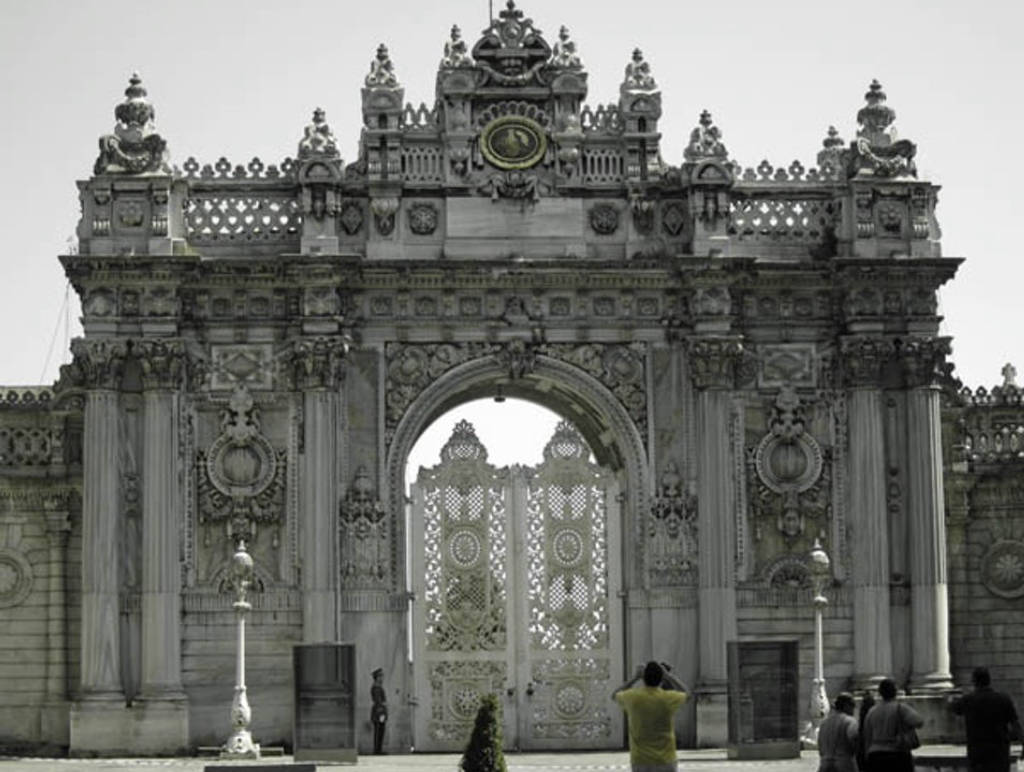
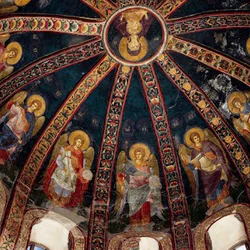
Dolmabahce Palace Museum
 Visnezade, Dolmabahçe Cd., Besiktas, Istanbul
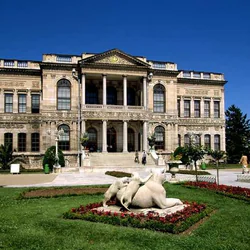
The Dolmabahce Palace Museum is a magnificent museum located in a prominent location on the banks of the Bosphorus in Besiktas. It was the residence of the last six Ottoman sultans, and Ataturk, the founder of the Turkish Republic. Dolmabahce Palace in white marble has basic architecture in European baroque style with oriental texture. This is one of the attractive tourist attractions in Istanbul.
Dolmabahce Palace is one of the magnificent buildings in Istanbul and attracts thousands of visitors every day. So what makes this place so attractive?
- Built between 1843-1856 by Sultan Abdulmecit.
- Covering an area of 45,000 square meters, there are 285 rooms, 46 halls, 4,454 square meters carpeted, six Turkish baths (hamam) and 68 regular bathrooms.
- It was the residence of the last six Ottoman sultans before the fall of the Ottoman Empire, and Ataturk, the first president and founder of the Turkish republic, in the late 19th and early 20th centuries.
- The works of glass and crystal are the main features of the palace that attract visitors.
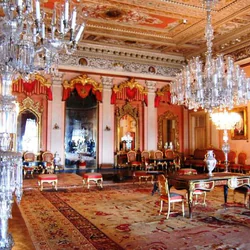
- Decorated with marble staircases, Sevres vases, Lyon silks, giant crystal chandeliers, Baccarat crystals and English lampstands, and lush carpets.
- 52 crystal lamps, 30 brass chandeliers, 142 ceiling hooks and 60 crystal chandeliers.
- Display more than 50,000 objects in hundreds of rooms.
- This is the first palace in Istanbul with a coffee table.
History of construction and development of Dolmabahce Palace Museum:
Dolmabahce Palace was built by the Ottoman sultan Abdülmecid (1839-1861) on an area of 110,000 square meters between 1843 and 1856. Its construction on the edge of the Bosphorus strait was accepted as a sign of the Ottomans. broke the traditional connection with the past, for according to history from its inception, the Ottoman sultans would stay at the Topkapi palace and on the Historic Peninsula.
Dolmabahce Palace has been the residence of a total of six kings and the last Ottoman Caliph, Abdülmecid Efendi, since 1856 when the Caliphate was abolished.
Mustafa Kemal Ataturk, the founder of the Republic of Turkey, used the palace for his studies in Istanbul in the years 1927-1938 and died here on 10 November 1938. That is why at Star Palace has an important and unique place in the hearts of the Turkish people.
The palace was partially open for ceremonies and visits between 1926-1984, and was finally opened to visit as a Museum after 1984.
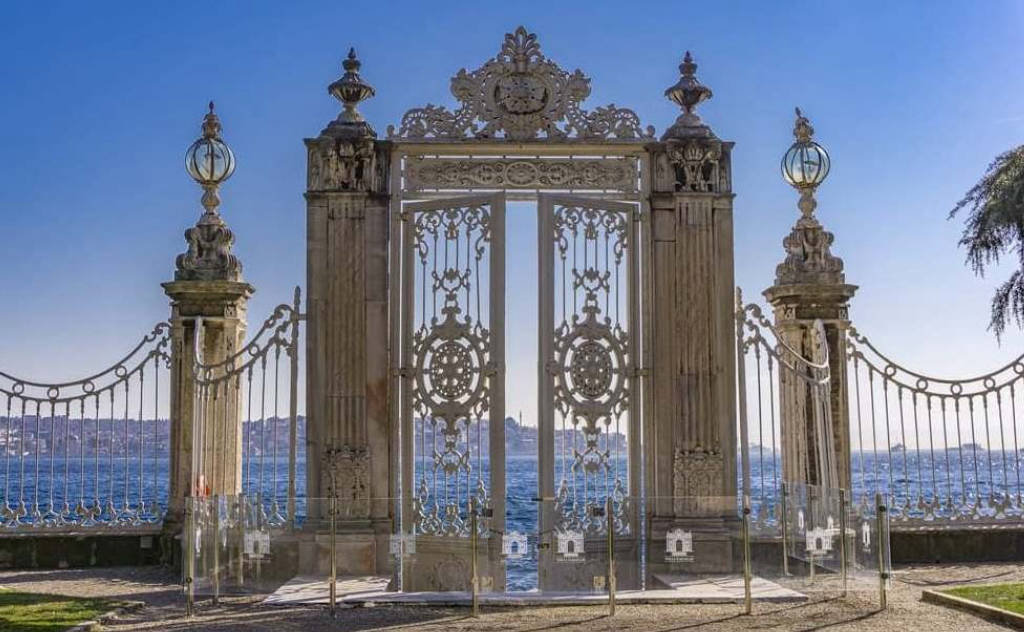
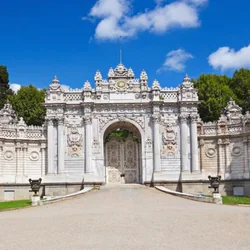
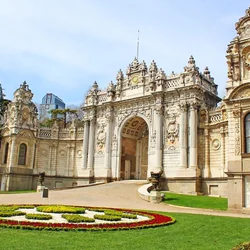
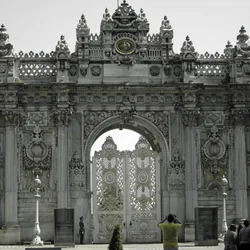
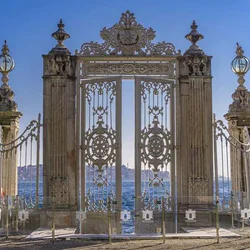
Unlike Topkapi Palace, Dolmabahce Palace was built as a single large building with several pavilions and a large garden around this large building. This complex is surrounded by high walls with two main gates and seven side gates, facing the sea with five more gates.
The gardens and gates of the Dolmabahce Palace are considered fascinating works of art, the gates are a prime example of the art of metalworking and they are truly enjoyable for visitors.
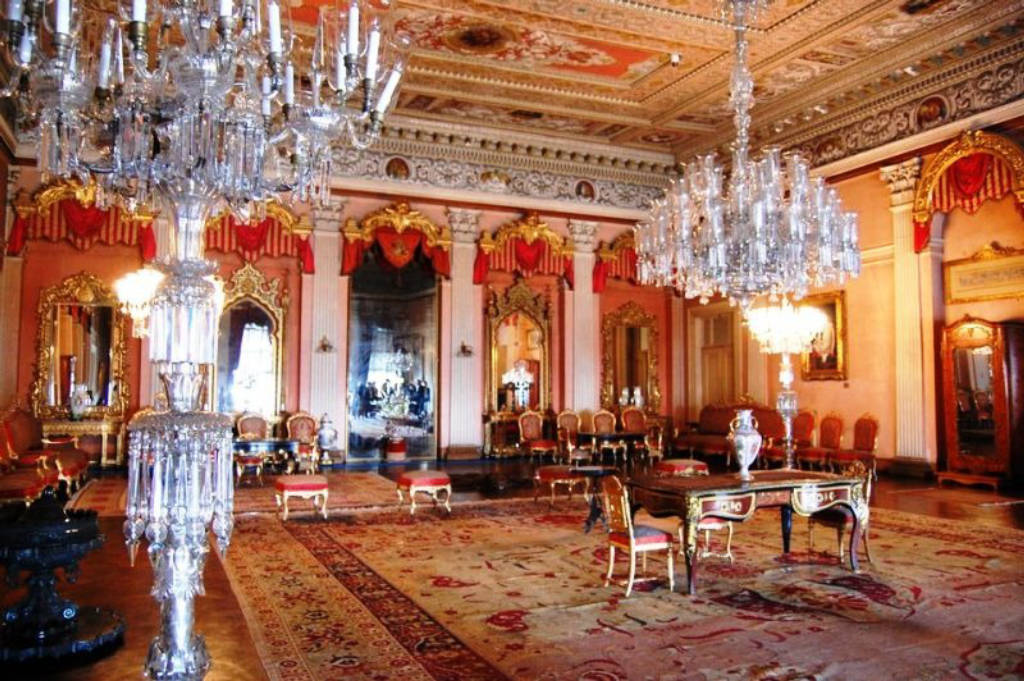
The palace contains more than 50,000 objects and hundreds of different rooms. The interior of the palace reflects the mighty growth of the Ottoman Empire, and is designed to resemble the opulent European palaces. Giant crystal chandeliers and steps, large oil paintings, and beautiful armchairs are also prominent attractions of the palace. The precious watches displayed here also make visitors extremely excited.
The palace consists of three parts.
- Mabeyn-i Hümayun (Selamlik), where the administrative work of the state is performed.
- The ceremonial room where the Sultan and his family continued their private lives.
- Harem-i Humayun, used for Bang ceremonies.
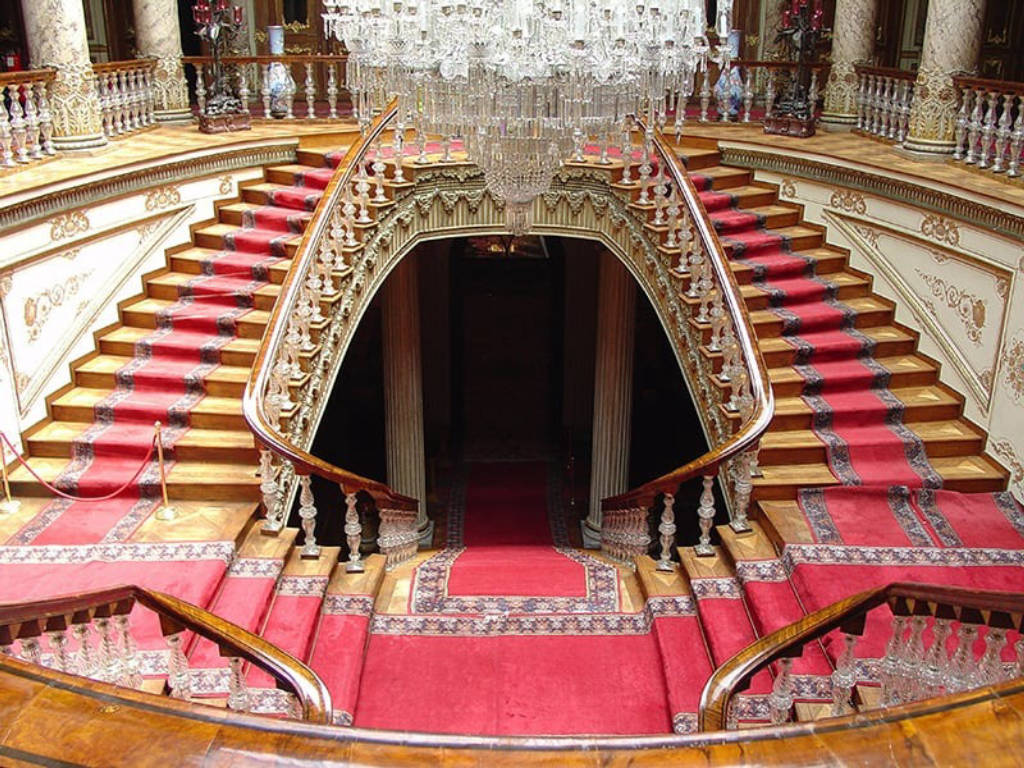
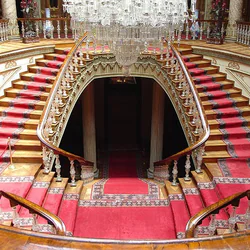
Selamlik Hall is home to the sophistication of glass and mirror cutting techniques with crystal chandeliers, as well as the magnificent Hereke carpet, the dazzling crystal staircase leading up, where the Sufera Hall welcomes the guests. porcelain, the Red Room and the Zülvecheyn Hall on the upper floor, this staircase is also known as the royal step.
While strolling through Medhal Hall, you will find Ataturk's room, where all the clocks in the palace are displayed. The hour and minute hands of these watches are set at 09:05 a.m., which is the approximate time Ataturk passed away. Continuing along the Medhal Hall, visitors will admire the legendary Crystal Stairs covered with red carpet.
The Hall of Ceremonies features the Palace's largest crystal chandeliers and candlesticks. The Sultan's ceiling and the stunning decor of the Ceremonial Chamber are sure to captivate any visitor.
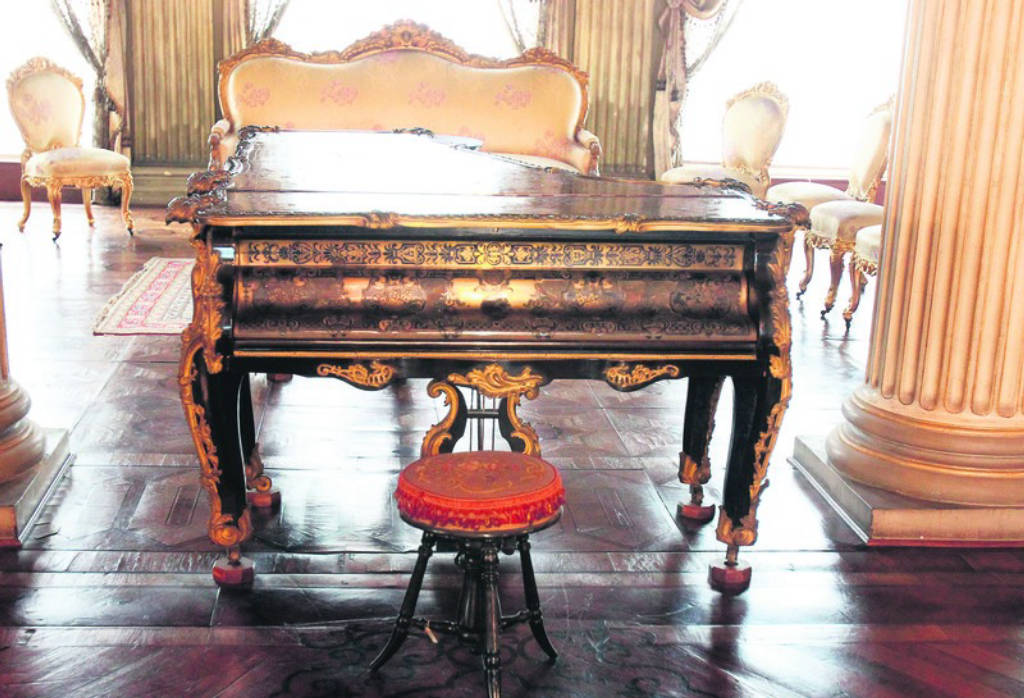
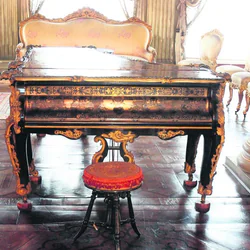
Crystal Piano
This is a must-see spot located in the Glass Kiosk of the Palace. The Gaveau piano here is made of crystal, as is its seat, a very unique example of the art of glasswork.
Harem (aka Harem in Turkish)
Unlike Topkapi Palace, the harem is located under the same roof as Dolmabahce Palace and occupies about two-thirds of the palace's area. Within the Harem complex, there are several halls, apartments allotted to the Sultan and Valide Sultan (the mother of the Sultan), and apartments where the spouses of the Sultans and their princes live up to the age of one. certain and princesses live until marriageable age. Besides, the harem also has working and living rooms of the palace ladies.
Fare:
Adults: 90 liras/pax (purchased at the ticket counter in front of the museum, excluding the entrance ticket to the harem)
Admission to the harem: 60 liras/pax
Business hours
Open daily except Monday from 09:00 to 16:30.
Note: the ticket counter may close earlier due to exceeding the daily ticket quota.
Address: Visnezade, Dolmabahce Cd., Besiktas, Istanbul
Phone: +90 212 236 90 00
Web : millisaraylar.gov.tr