


See all results for ""

 Anytime
 Tiếng ViệtEnglish
 한국어
한국어 日本語
日本語 简体中文
简体中文 Français
 Deutsch
 Español
 Italiano
 Русский


 Login for Corporates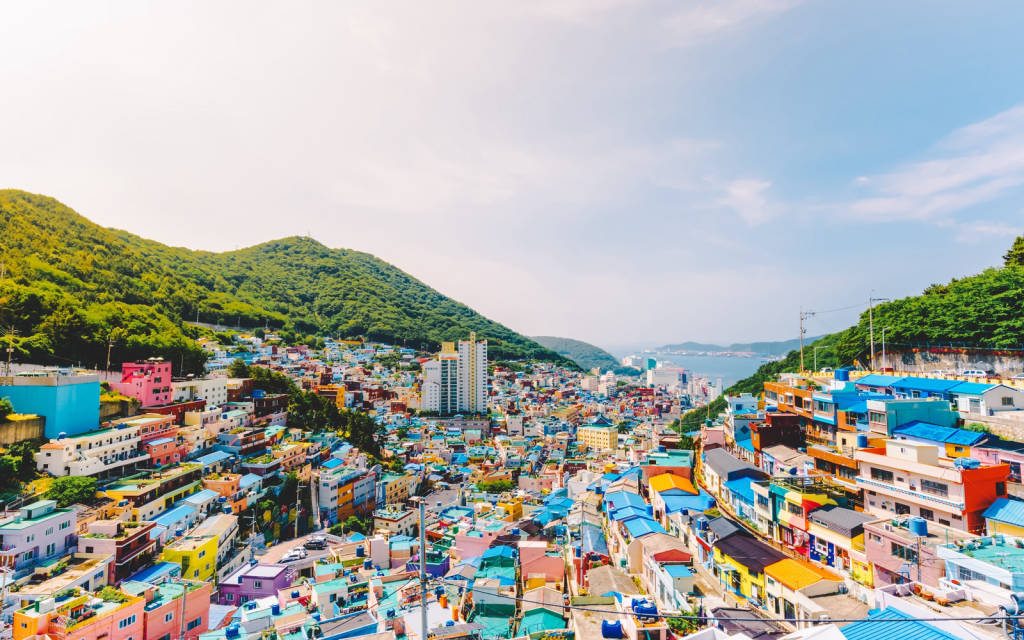
Gamcheon Cultural Village
 200 Gamnae 1(il)-ro, Gamcheon 2(i)-dong, Saha-gu, Busan, South Korea
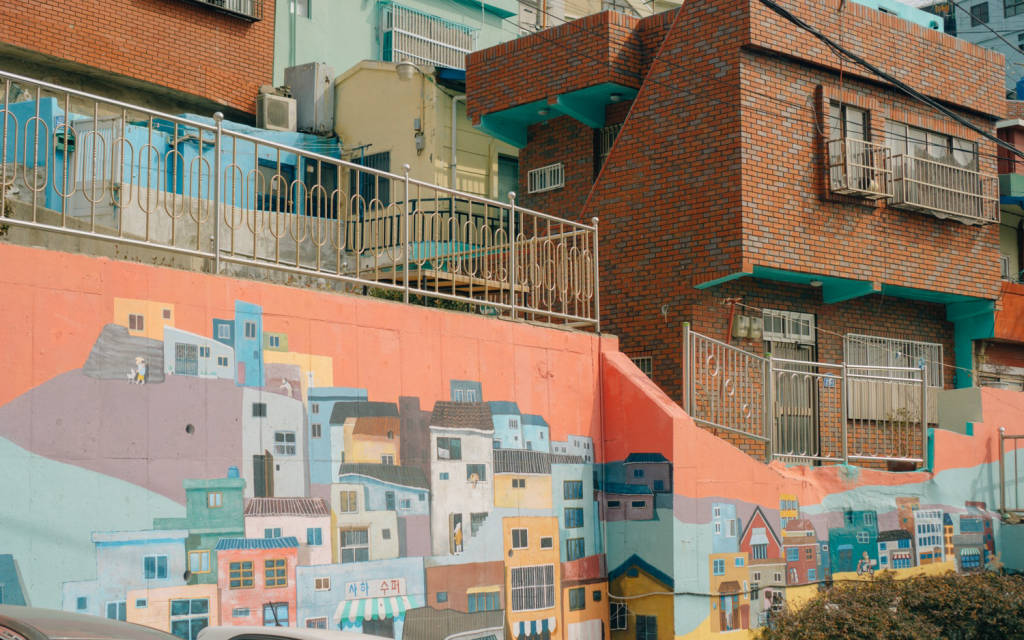
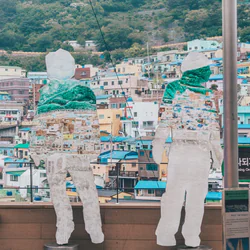
“It is known today as the 'Machu Picchu of Busa'. Gamcheon's houses are all painted in different colors, inside which are small streets and steep stairs leading to scattered street art works."
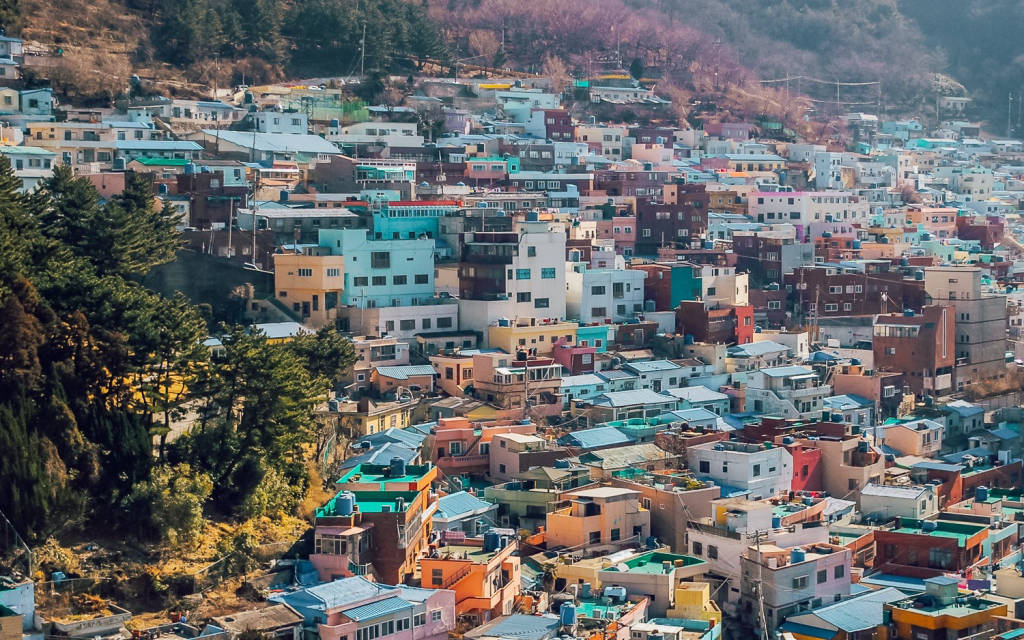
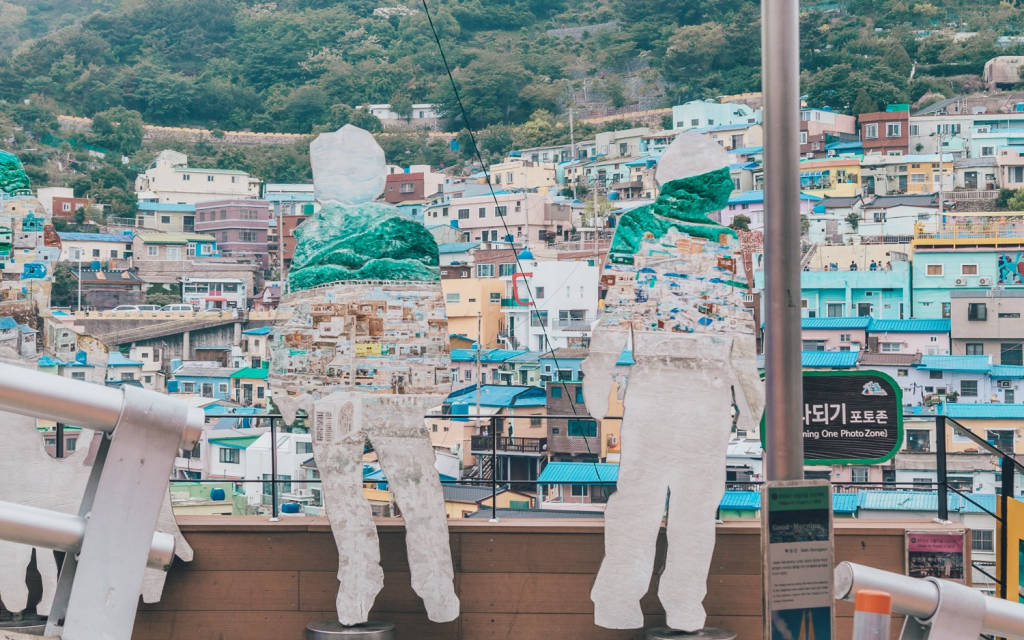
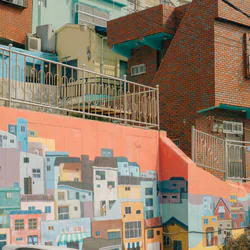
Tucked down the coastal mountainside of Busan is Gamcheon Culture Village, a picturesque neighborhood with brightly painted houses lining small alleys and stairs. The village experienced a long history before it became known to tourists as a great cultural experience and one of the best photo spots in Busan.
The present-day village of Gamcheon was born from a religion known as Taegeukdo, after the Korean War. Taegeukdo is an offshoot of Jeungsanism (증산교), a religious movement named after Kang Jeungsan, who has spawned about a hundred different branches since his death in 1909. Kang Jeungsan (also known as Kang Il Sun) who claims to be a descendant of Sangje, is known as the highest deity in Korean Taoism whose grandson, Dangun, founded Korea. His teachings are a combination of Buddhism, Confucianism, Taoism, Shamanism, and a twist of Christianity combined to form a religious guide. After Kang's death, Tageukdo claimed to have been revealed by Kang in 1917 to become his successor, although the movement was halted under Japanese occupation, Tagekudo returned to the village later and renamed it. became Taegukdo and settled in Busan.
About 800 families or 4,000 people were forced to move to the hillside location of Gamcheon during or after the Korean War. Since Busan is one of the few places that the North Korean military has no control over, the city has received an influx of refugees. Gamcheon quickly grew from its original 20 houses, among them Jo Cheolje and members of Taegeukdo, who became community leaders. The village was built according to the Taegeukdo belief, laying the foundation for what visitors see today. All the houses are built in a tiered layout so that no house is hidden behind the shadow of another. This follows the religious principle that man should allow his neighbors to prosper.
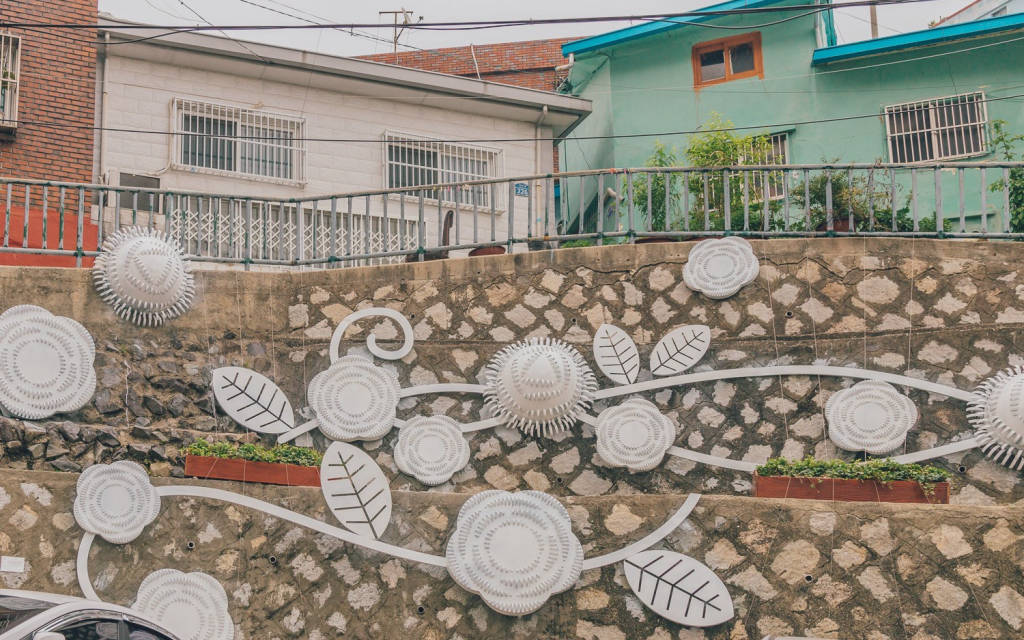
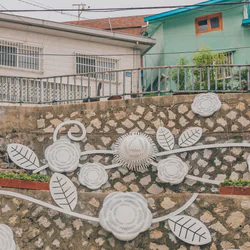
For most of the late 20th century and much of the first decade of the 21st, Gamcheon was known only as one of the poorest areas of Busan. This ended in 2009, when the Korean Ministry of Culture, Sports and Tourism funded a series of art projects to revitalize the neighborhood. Artistic themes include: Dreaming of Machu Picchu (2009), Miro Miro Alley (2010), Sanbokdoro Renaissance (2011), and Twice the Joy (2012). While residents began painting their houses in pastel colors, these projects also invited local art students to further decorate the village with their own murals and sculptures, often transforming many abandoned houses into galleries and mini exhibitions. What visitors see in Gamcheon now is the result of those art projects.
Where to go and what to do in Gamcheon:
- Attend the Street Festival: an annual event organized entirely by local residents, from planning to commissioning. Usually held in May, the event lasts two or three days. Thanks to the efforts of local residents, the festival has been selected as a promising festival of Busan. The festival brings many new and attractive cultural and artistic performances for visitors to enjoy. Festival programs include an alley tour, hands-on experiences to learn about the joys and sorrows of the village's history, and demonstrations of more than 40 cultural artworks throughout the village. Wandering around the streets and alleys, visitors will know the hidden stories of the grandparents living here. Small performances will take place on the rooftops above, adding to the liveliness of this unique festival. Attractive programs will usually include world street parade, fringe festival, Gamcheon Radio Theatre, singing contest, alley tour, treasure hunt, face painting, food market, cashew mailbox conventions and similar activities.
- Choose between two entrances: when you get off at Gamcheon Culture Village Bus Stop, you'll see two entrances.
+ The first is the main entrance leading to the information center and if you go through the steep path you will find the cafe and the road to the village center. On this path, visitors can explore the village's stairs.
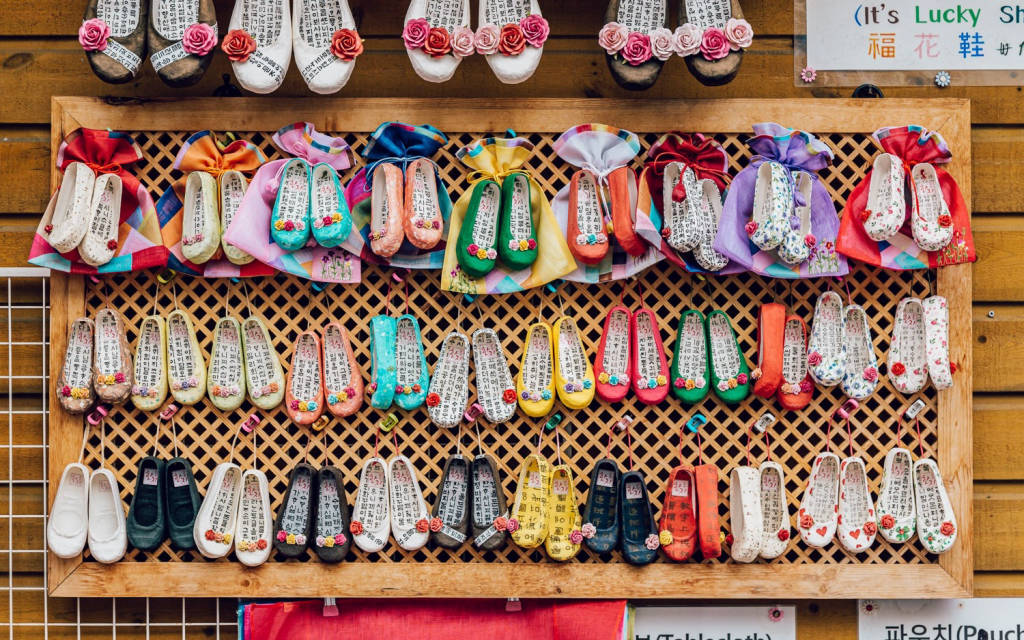
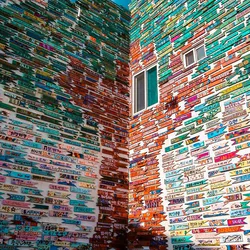
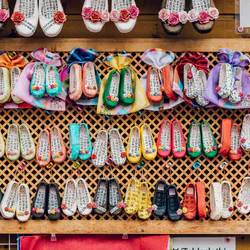
+ The second entrance is the North Entrance. It can directly lead to famous places of Gamcheon (The Little Prince, Love Lock, Library Stairs, Sock Store, etc.). If you have limited time and want to go directly to the famous spots of the village, visitors should enter from the second gate.
- Little Prince area: Koreans love Little Prince stories, so it's by far the most popular spot in the whole village because people will line up to Take a picture with the little prince or the fox. There are also some neat exhibits right around here, which you can find on the map by looking for Moon Yaki Cafe (문 야끼 어린 ).
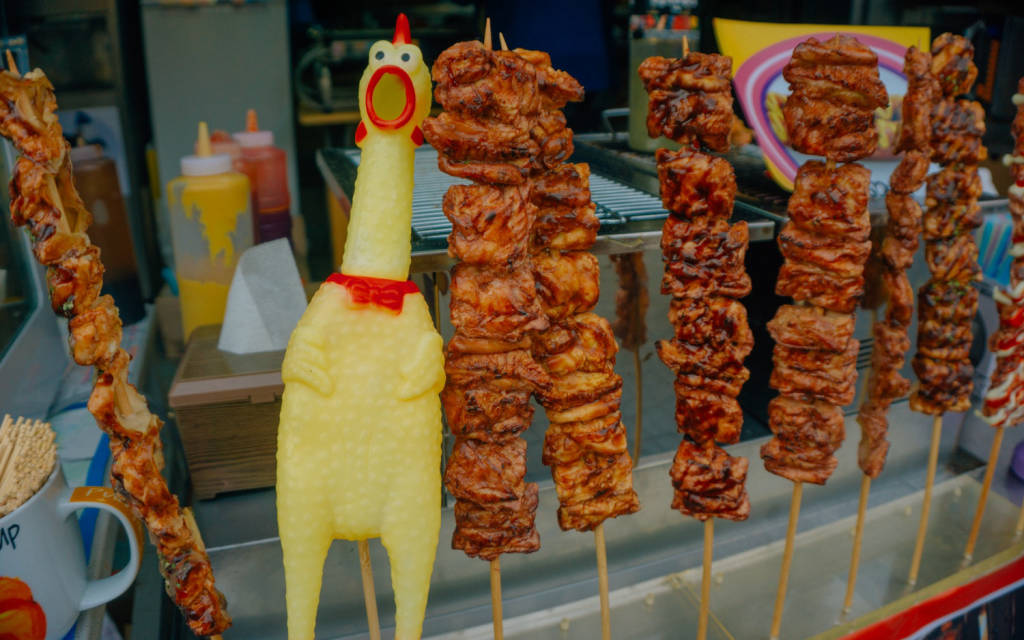
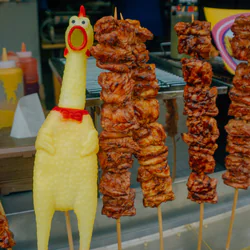
- Eat street food: near the steps and near the Little Prince area are cafes, small shops and restaurants serving familiar Korean street food such as teokbokki, kimbap seaweed rice rolls, meat skewers , and many other desserts such as fish ice cream, sweet potato cakes.
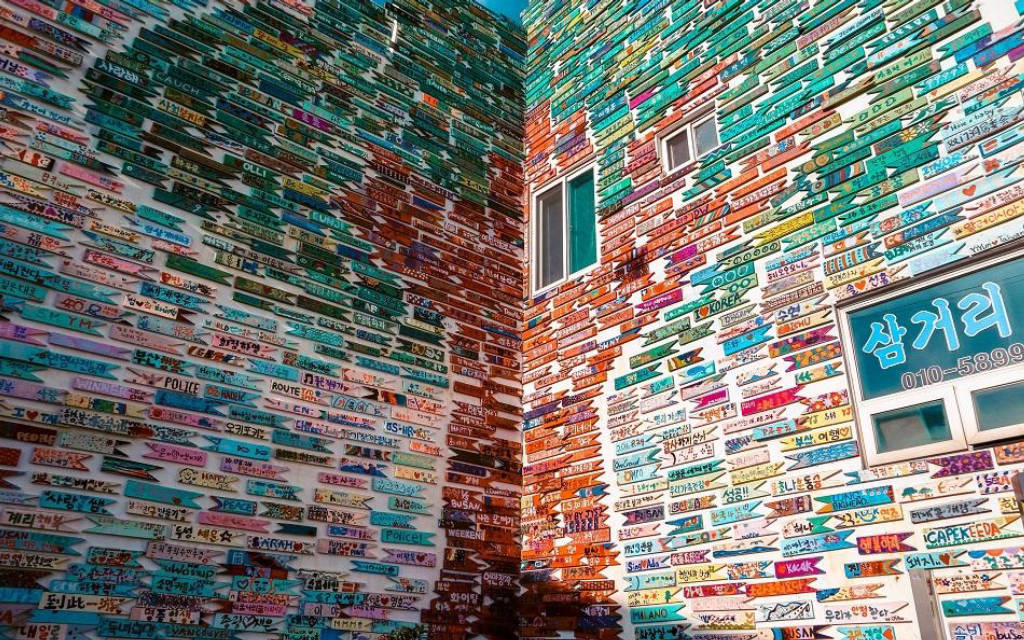
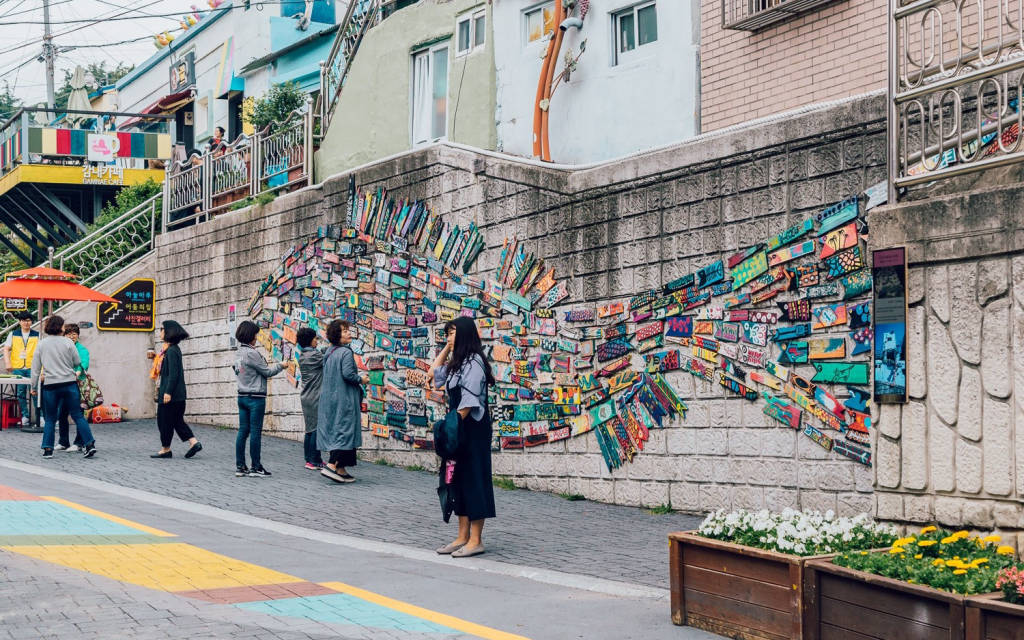
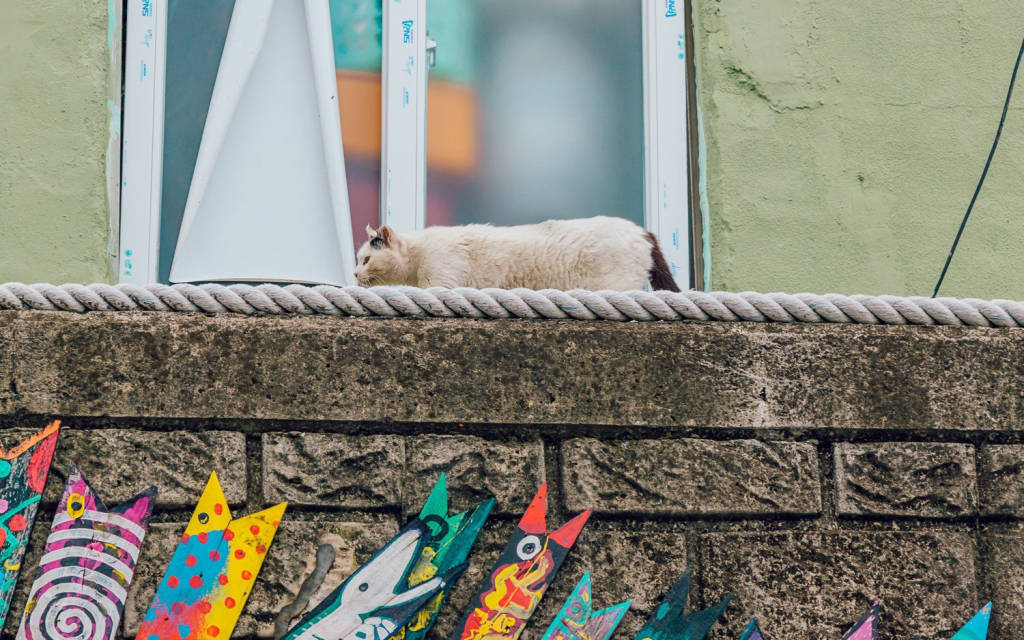
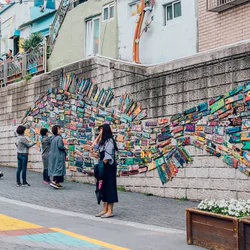
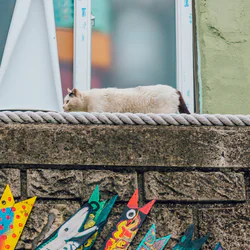
- Follow the wooden fish on the wall: Besides being a fun photo to take, the wall also serves as the starting point of a walk through the village. Small wooden fish on the wall look like arrows to guide visitors to places when passing through the village.
Address: 200 Gamnae 1(il)-ro, Gamcheon 2(i)-dong, Saha-gu, Busan
Opening hours: all day but visiting hours are usually from 09:00 to 18:00