


See all results for ""

 Anytime
 Tiếng ViệtEnglish
 한국어
한국어 日本語
日本語 简体中文
简体中文 Français
 Deutsch
 Español
 Italiano
 Русский


 Login for Corporates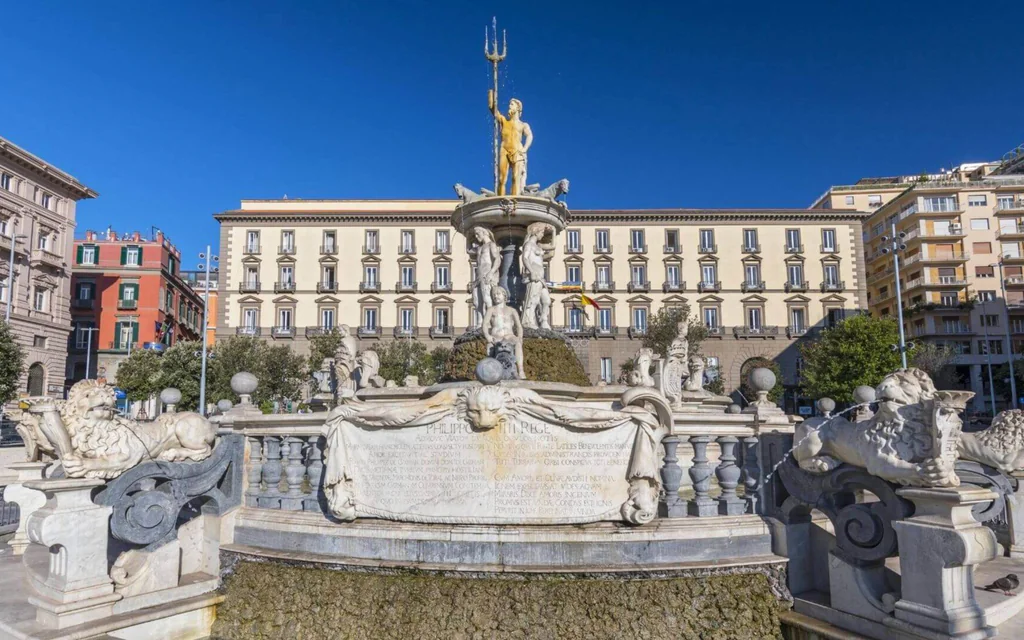
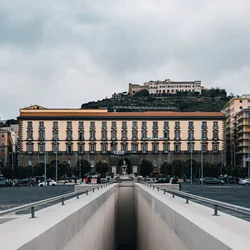
Largo Castello (Piazza Municipio)
 P.za Municipio, 80133 Napoli NA, Ý
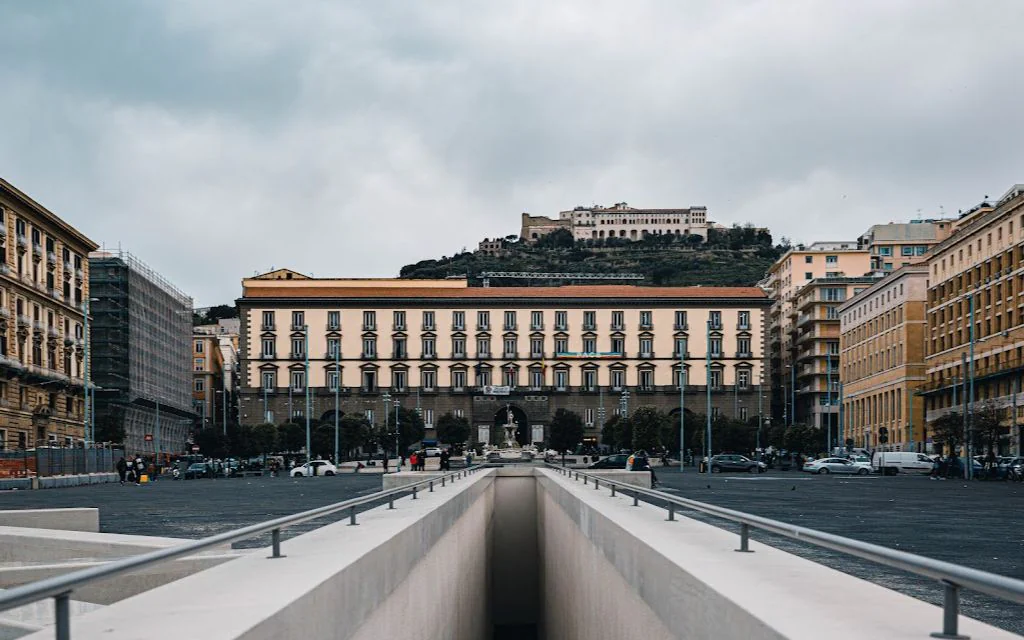
Pizza Municipio, is a large square located in the center of Naples. This square is home to many important architectural works, including Naples City Hall, the Basilica of Saint Gennaro and the Reale Palace.
Pizza Municipio, is a large square located in the center of Naples. This square is home to many important architectural works, including Naples City Hall, the Basilica of Saint Gennaro and the Reale Palace.
Pizza Municipio is located in the south of the old town of Naples, about 500 meters from the Duomo. This square is surrounded by the city's main streets, including Corso Umberto I, Via Roma and Via Toledo.
Pizza Municipio is built in Baroque style, with sophisticated and sophisticated lines. The square is paved with marble and has many fountains and statues.
The history of Pizza Municipio begins in the 16th century, when the Spanish Crown decided to build a large square in the center of Naples. The square was completed in 1602 and named Piazza del Mercato. In 1815, after the Kingdom of Naples united with the Kingdom of Sicily to form the Kingdom of the Two Sicilies, the square was renamed Piazza Municipio. In 1888, the Naples Town Hall was built in this square and the square was renamed Largo Castello.
In 1860, Giuseppe Garibaldi, an Italian revolutionary, led a movement to fight for autonomy for the people of Naples. On September 7, 1860, Garibaldi and his army entered Naples and occupied the city. When Garibaldi arrived at Largo Castello, he was warmly welcomed by the people of Naples. People took to the streets and chanted "Viva l'Italia!" (Long live Italy!). The Neapolitan people's war for autonomy was successful and Naples became part of the Kingdom of Italy.
Pizza Municipio is a place associated with the history of Neapolitan struggle. This square is a symbol of the patriotism and free will of the people of Naples. During the war for autonomy of the people of Naples, there was a woman named Lucia. Lucia was a poor woman but she was very patriotic. She participated in Garibaldi's movement and she became one of its leaders. One day, Lucia was captured by the army of the Kingdom of Naples. The army intended to execute her, but she escaped. She ran to Largo Castello and found Garibaldi. She told Garibaldi about what had happened and she asked Garibaldi for help. Garibaldi was very moved by Lucia's story. He ordered his army to rescue Lucia. Garibaldi's army succeeded in rescuing Lucia and she became a symbol of the Neapolitan people's struggle for freedom.