


""에 대한 모든 결과 보기

 언제든지
언제든지 
 Tiếng Việt
 English한국어
 日本語
日本語 简体中文
简体中文 Français
 Deutsch
 Español
 Italiano
 Русский


 기업 로그인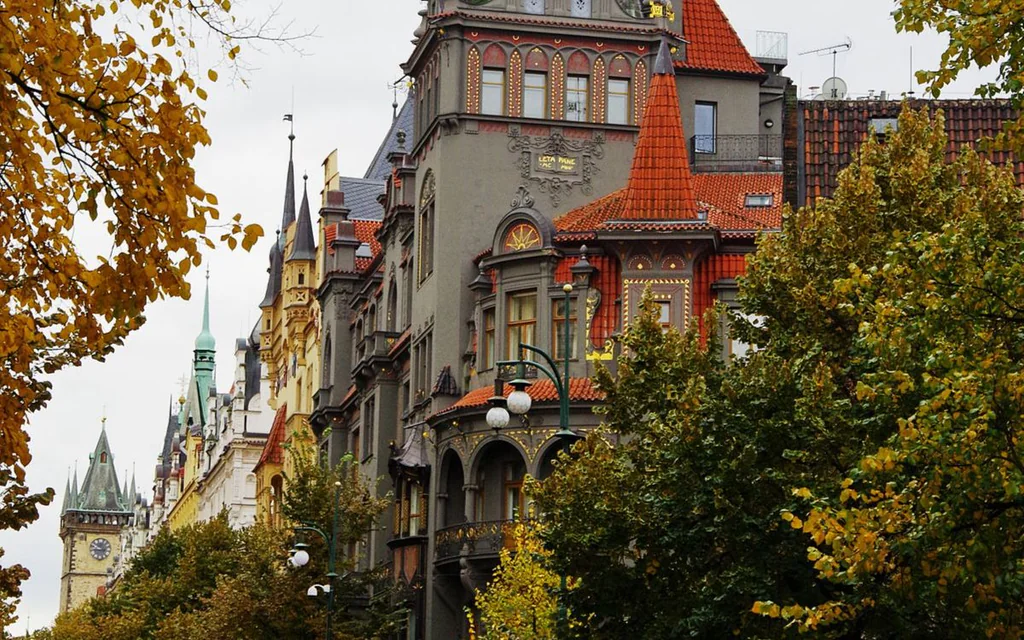
Josefov
 Jakubská, 110 00 Staré Město, Séc
Josefov, Prague's Jewish Quarter, stands as a living testament to the rich tapestry of history, culture, and resilience that defines this iconic part of the Czech capital.
The roots of Josefov can be traced back to the 13th century when King Přemysl Otakar II compelled Prague's Jewish residents to settle within a designated area. What emerged from this decree was a community that, over the centuries, bore witness to the ebb and flow of Prague's dynamic history. From periods of prosperity during the Renaissance to the shadows cast by the Holocaust, Josefov's story is intertwined with the broader narrative of European Jewry.
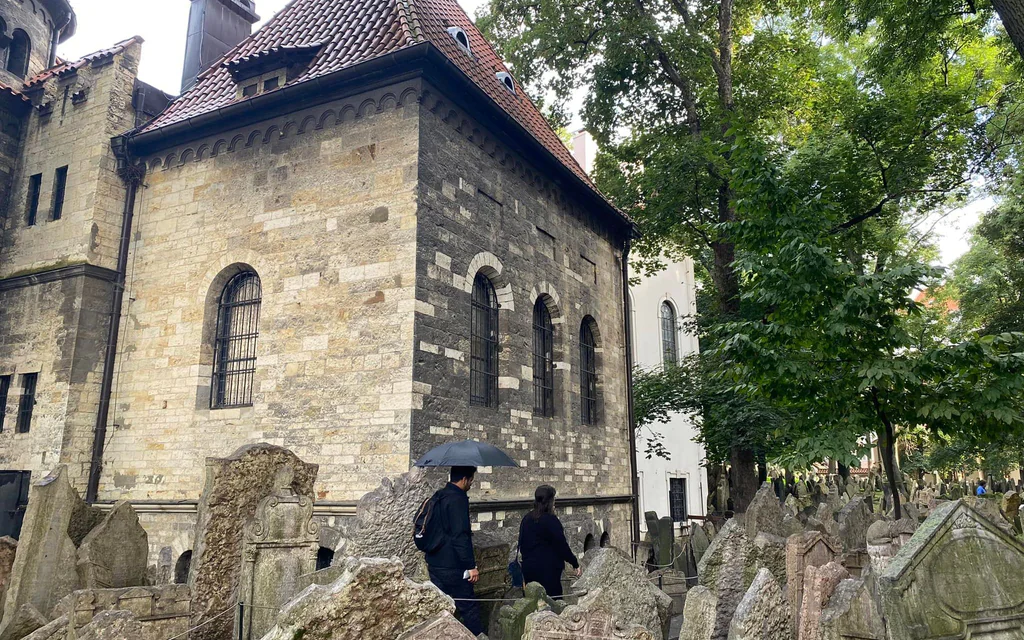
Central to the identity of Josefov are its historic synagogues, each a distinctive architectural gem echoing with stories of faith and cultural heritage. The Old-New Synagogue, a Gothic masterpiece dating back to the 13th century, is a symbol of endurance as one of the oldest active synagogues in Europe.
The Pinkas Synagogue, serving as a memorial, bears the names of Czech Jewish victims of the Holocaust, ensuring that the memory of the past is etched into the collective consciousness. Meanwhile, the Ceremonial Hall and the Old Jewish Cemetery provide a sacred space for reflection and remembrance.
Josefov extends beyond religious significance to embrace a rich cultural tapestry. The Museum of Decorative Arts showcases the artistic contributions of the Jewish community, offering a glimpse into the creative expressions that have flourished within its confines. The birthplace of Franz Kafka, one of the most influential literary figures of the 20th century, adds a layer of cultural depth, inviting visitors to explore the intersection of literature and the historical landscape.
The juxtaposition of historical landmarks with the scars of the Holocaust renders Josefov a landscape of memory and resilience. The Old Jewish Cemetery, with its uneven tombstones, stands as a testament to the challenges faced by the community, while the continued vibrancy of the synagogues and cultural institutions reflects an unwavering commitment to preserving identity.
In the face of neglect and the ravages of war, concerted efforts have been made to restore and preserve Josefov's architectural and cultural heritage. The revitalization of the quarter has not only ensured the survival of its historic landmarks but has also breathed new life into the neighborhood. Modern-day Josefov is a dynamic district where stylish boutiques, trendy cafes, and contemporary art galleries coexist with centuries-old synagogues and museums.