Mong Bridge – A Historical Symbol in the Heart of Saigon
Mong Bridge is not only a structure of historical and architectural value but also a romantic destination that connects the vibrant life of Ho Chi Minh City. Situated in the city center, Mong Bridge spans across Ben Nghe Canal, linking District 1 and District 4. This bridge is not just for transportation but also a witness to over a century of Saigon’s development.
Overview of Mong Bridge
Mong Bridge was built from 1893 to 1894 during the French colonial period by the renowned French construction company Levallois Perret, and was funded by the French maritime company Messageries Maritimes. The bridge features a unique arch design, embodying classic European architecture. Measuring 128 meters in length and 5.2 meters in width, the bridge is made entirely of steel and painted a distinctive green, giving it a graceful and elegant appearance amidst the city.
Initially, the French called this bridge "Arcenciel," which means Rainbow Bridge. The name “Mong Bridge” derives from its thin, lightweight arch shape, appearing as if it is "arching" above the water. It is the oldest pedestrian bridge in Saigon and symbolizes the intersection between modernity and the past.
History and Role of Mong Bridge
1. Witness to Saigon’s History
Mong Bridge was built to connect the economic hubs of Saigon – District 1 and District 4. It was a place where locals and traders crossed, contributing to the city's economic development in the late 19th and early 20th centuries. During the French colonial period, the bridge was not only a traffic infrastructure but also a symbol of Saigon's urban modernization. After the country was reunified, the bridge continued to serve transportation needs and became a familiar spot for city residents.
2. Restoration and Preservation
In 2005, during the construction of the Thu Thiem Tunnel, Mong Bridge was temporarily dismantled for preservation and protection. By 2010, the bridge was successfully reassembled and restored, maintaining its original architecture. Since then, Mong Bridge has served not only pedestrians but also as a public space and an attractive tourist destination.
Unique Architecture of Mong Bridge
1. Neo-classical Style
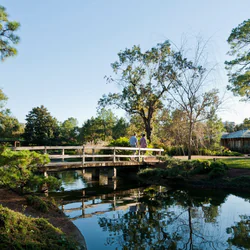
Mong Bridge stands out with its slender arch design, reminiscent of European neo-classical style bridges. The sturdy steel frame combined with a soothing green color not only adds lightness but also endows the bridge with elegance. The railings are adorned with delicate floral motifs, enhancing the artistic beauty. Particularly, the bridge's footings on both sides are firmly paved with stones, blending with the blue of the canal and the sky, creating a romantic and poetic scene.
2. Artistic Lighting
At night, Mong Bridge transforms into a work of light art with a modern LED lighting system, illuminating the bridge in many shimmering colors. This makes the bridge an impressive highlight in the city, attracting numerous visitors for sightseeing and photography.
Fascinating Experiences at Mong Bridge
1. Walking and Photography
Mong Bridge is an ideal place for strolling and admiring the beauty of Ben Nghe Canal, as well as the bustling urban scenery of Ho Chi Minh City. From the bridge, visitors can see famous architectural works like Bitexco Financial Tower, The One Tower, and Nha Rong Wharf. Besides being a scenic spot, Mong Bridge is an "outdoor studio" for photography enthusiasts. Whether in the daylight or under the night lights, every corner of the bridge offers artistic photo opportunities.
2. Ideal Spot for Couples
Mong Bridge is a popular destination for couples. Its romantic, peaceful beauty makes it an ideal spot for dates, and even for wedding photo shoots for many couples.
Cultural and Touristic Significance of Mong Bridge
Mong Bridge embodies significant cultural and spiritual values. It serves as a crossroads for generations, where locals can reminisce about the past while feeling the pulse of modern life. For tourists, Mong Bridge is a special destination that helps them explore the historical and cultural depth of Saigon. Additionally, it is a venue for community events and outdoor art activities, bringing a lively and joyful atmosphere to the city.
Conclusion
Dear visitors, Mong Bridge is not just a structure connecting District 1 and District 4, but a bridge between the past and present, between traditional cultural values and the dynamic development of Ho Chi Minh City. Take some time to admire the quiet beauty of the bridge, and feel the blend between historical flows and modern rhythms. Surely, Mong Bridge will leave an indelible impression in your hearts!
Wishing you memorable experiences in Ho Chi Minh City!
Nearby Attractions
After visiting Mong Bridge, you can easily move to nearby attractions such as:
- Nha Rong Wharf – associated with the historical legacy of President Ho Chi Minh.
- Notre-Dame Cathedral Basilica of Saigon and Central Post Office – two iconic French architectural works.
- Nguyen Hue Walking Street – one of the busiest and most vibrant streets in the city.