


See all results for ""

 Anytime
 Tiếng ViệtEnglish
 日本語
日本語 한국어
한국어 简体中文
简体中文 Français
 Deutsch
 Español
 Italiano
 Русский


 Login for Corporates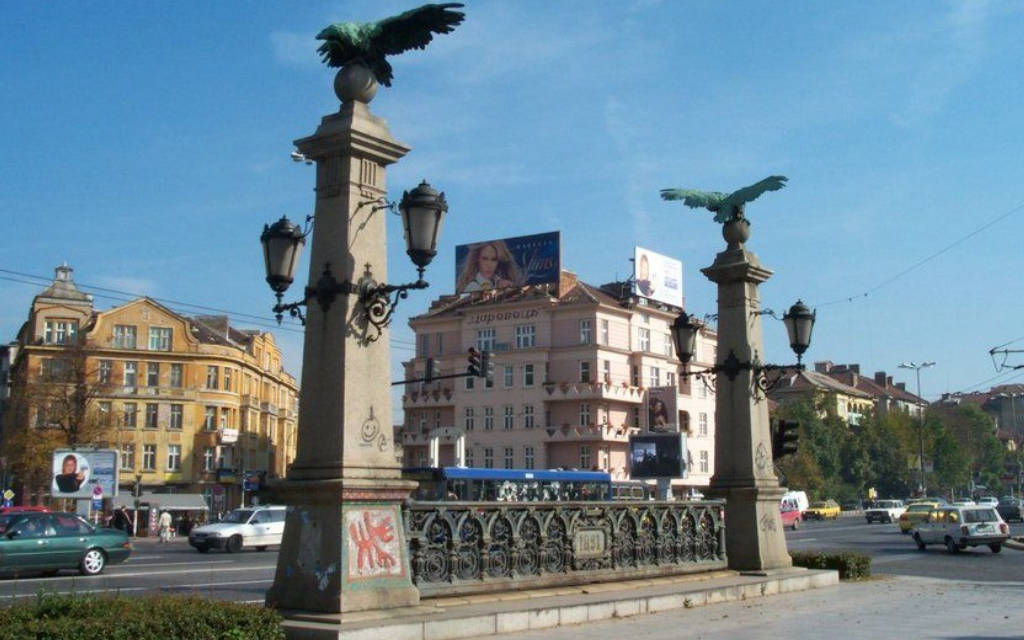
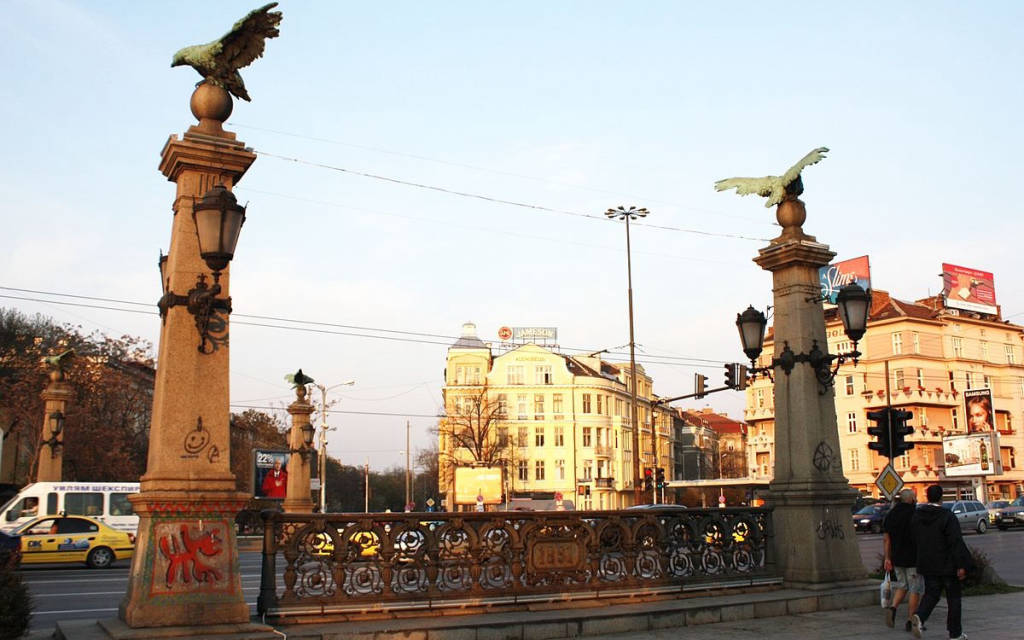
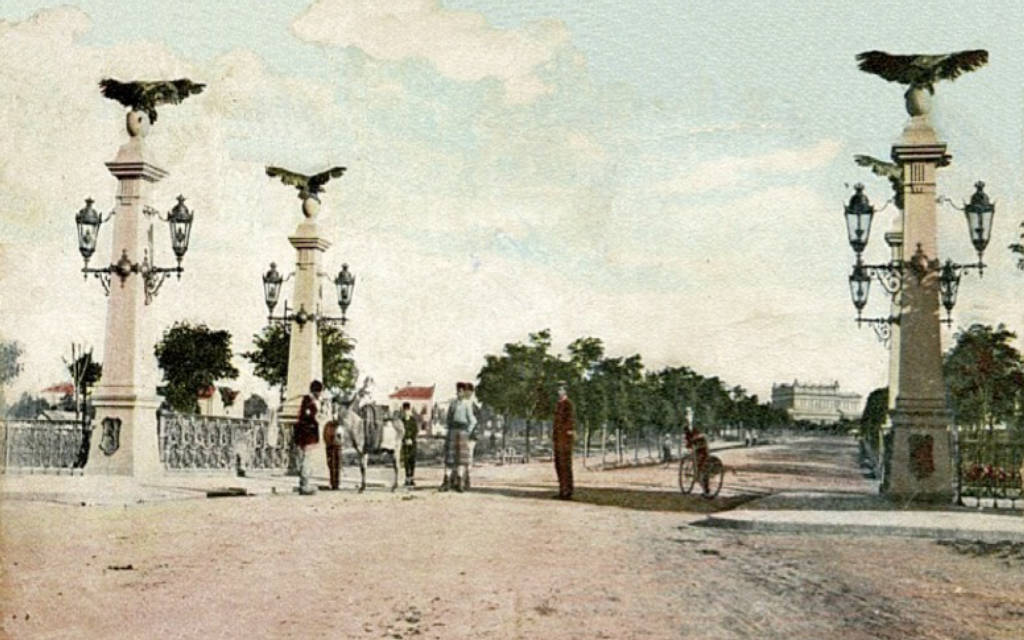
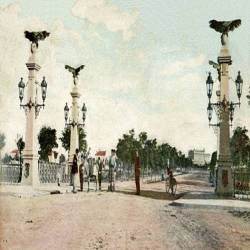
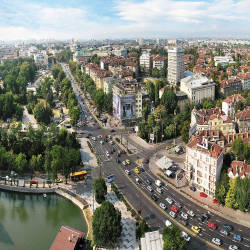
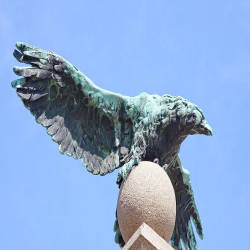
Eagle Bridge (Orlov Most)
 bul. "Tsar Osvoboditel" 33, 1504 Sofia Center, Sofia, Bulgaria
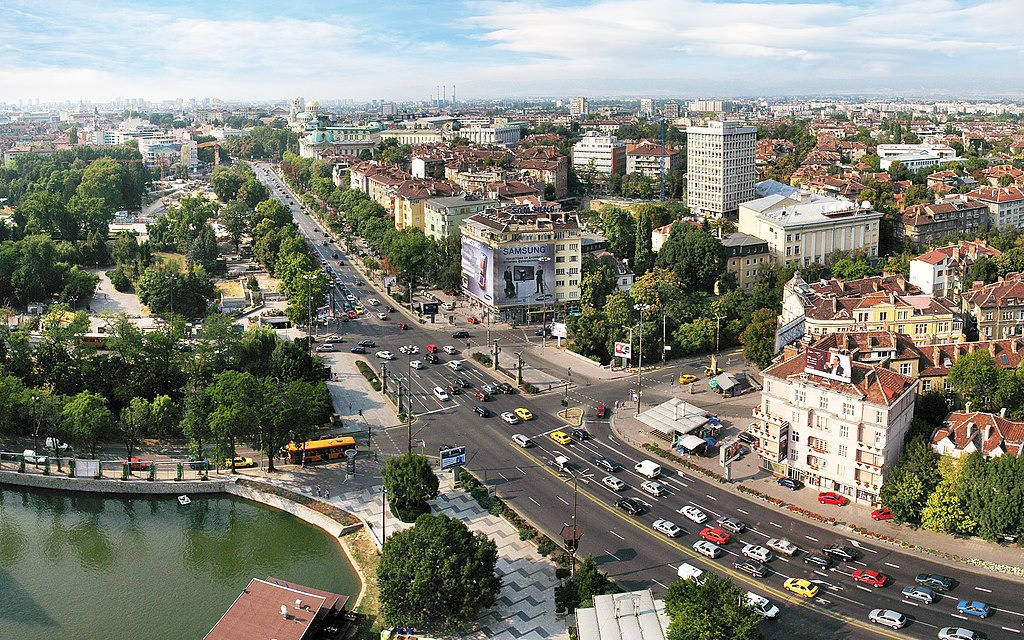
The bridge over the Perlovska River in the center of Sofia, is a typical symbol marking the eastern border of the old city then and now.
The Eagle Bridge is crossed by two main intersections, Evlogi Georgiev Avenue, which runs along the Perlovska River, and Tsarigradsko Shose Boulevard, which is also the end of Tsar Ivan Asen II Street.
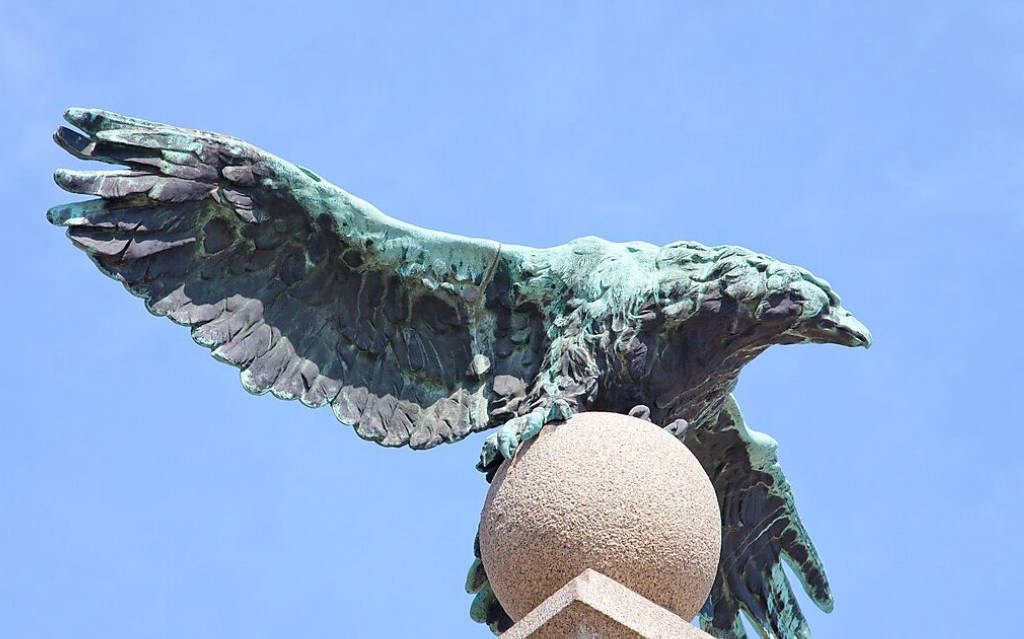
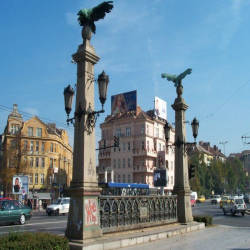
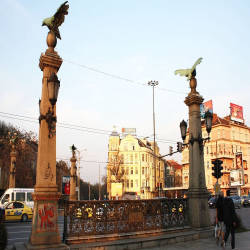
The bridge was built in 1891 by Czech architect Václav Prošek with the help of his brother Jozef and his cousins Bohdan and Jiří at a cost of about 80,000 gold levas. The drawings of eagles erected at the four ends of the bridge represent the longing for freedom because here in 1888 prisoners from Diarbekir were welcomed (these were the people living in the town of Diarbekir who were taken away. exile in the Bulgarian National Freedom movement). The bridge's beautiful wrought-iron railings and decorations were made in Vienna and if you look closely, you can even see the sharp reliefs at the ends of the pillars.
One of the bridge's columns and bronze eagles are depicted on the reverse print of the Bulgarian 20 levs banknote, issued in 1999 and 2007.
And another thing that makes the bridge famous is because it was the focus of ecological protests in 2012 against construction on Mount Vitosha and the resort town of Dyuni on the Black Sea coast. At the same time, this is also the site of political protests in 2013 against the high electricity and hot water bills stemming from monopolisticism in this area, which caused a great stir with mass protests. against the coalition of parties. At that time, people will gather here until late at night and everything is closed. During the latest protests, the bridge was repeatedly blocked by protesters with barricades and tent camps set up.
Today, Eagle Bridge is a famous place for tourists, it is considered as a must-visit destination when coming to Sofia.