


See all results for ""

 Anytime
 Tiếng ViệtEnglish
 한국어
한국어 日本語
日本語 简体中文
简体中文 Français
 Deutsch
 Español
 Italiano
 Русский


 Login for Corporates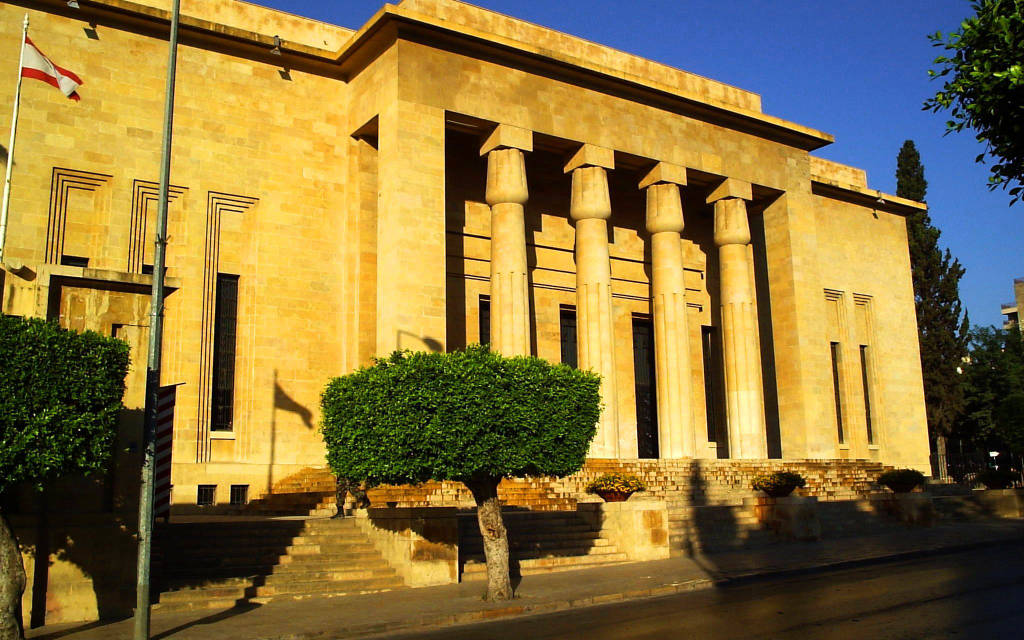
The National Museum of Beirut
 National museum of Beirut, Mathaf, Lebanon
 The National Museum of Beirut, also known as the Musee National de Beyrouth, is one of Lebanon's most significant cultural institutions.
The National Museum of Beirut, also known as the Musee National de Beyrouth, is one of Lebanon's most significant cultural institutions. Located in the heart of Beirut, the museum is a treasure trove of history, art, and archaeology, providing visitors with a captivating journey through the country's rich and diverse heritage.
Here are some key aspects and highlights of the National Museum of Beirut:
Historical Significance: The National Museum of Beirut was established in 1942 and is one of the most important museums in the Middle East. It houses an extensive collection of archaeological artifacts, showcasing Lebanon's historical and cultural legacy, which spans thousands of years.
Archaeological Treasures: The museum's collection includes a vast array of artifacts, sculptures, pottery, jewelry, and coins from different historical periods. It covers everything from prehistoric eras to the Phoenician, Roman, Byzantine, and Islamic periods. The museum's most famous exhibit is the Phoenician Collection, which includes a remarkable collection of sarcophagi, statues, and intricate jewelry.
Intricate Mosaics: The National Museum of Beirut is renowned for its stunning mosaic collection. Visitors can admire intricately designed and well-preserved mosaics that offer insight into the artistic and cultural achievements of ancient Lebanon.
Roman Sculptures: The museum's Roman section contains a notable collection of sculptures, many of which were discovered in the city of Baalbek. These sculptures depict gods, emperors, and mythological figures, providing a glimpse into the Roman influence in the region.
Medieval and Islamic Art: In addition to its ancient history displays, the museum also features a significant collection of medieval and Islamic art, showcasing beautiful artifacts, manuscripts, and architectural elements from the Islamic period in Lebanon.
Reconstruction After the Civil War: The National Museum of Beirut faced significant challenges during the Lebanese Civil War, with part of the museum's collection being damaged or stolen. However, extensive efforts were made to reconstruct and restore the museum in the years following the war, and many missing artifacts were recovered.
Educational Programs: The museum plays a crucial role in educating both locals and tourists about Lebanon's rich history. It offers educational programs, guided tours, and workshops that promote a deeper understanding of the country's cultural heritage.
Cultural Hub: The National Museum of Beirut also hosts cultural events, temporary exhibitions, and lectures, making it a vibrant center for the arts and historical exploration in Lebanon.
Location: The museum's location in Beirut makes it easily accessible to visitors, and its striking architecture adds to its appeal. The building itself is a blend of modern and traditional Lebanese architectural elements.
The National Museum of Beirut is a testament to the resilience and determination of the Lebanese people to preserve their cultural heritage despite the challenges they have faced. It is not only a repository of historical artifacts but also a place that inspires a sense of national identity and pride. For anyone interested in history, archaeology, or the rich cultural tapestry of the Middle East, a visit to the National Museum of Beirut is a must. It offers a captivating journey through the ages, shedding light on the extraordinary history of Lebanon and its people.