


 Tiếng Việt
 English
 한국어
한국어 日本語
日本語 简体中文
简体中文 Français
 Deutsch
 Español
 Italiano
 Русский


 Đăng nhập cho Doanh nghiệp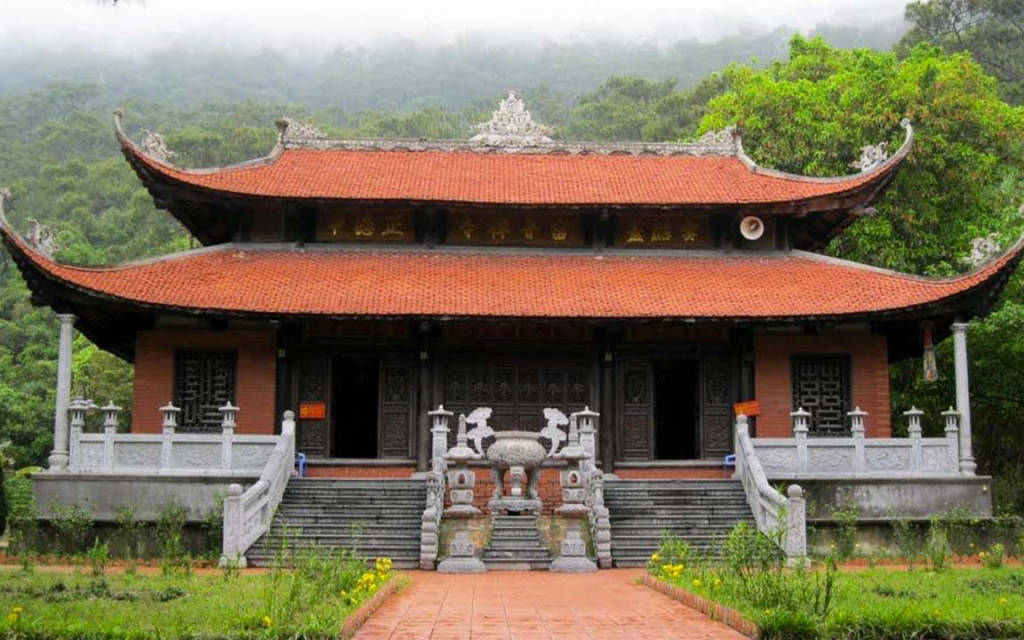







Chùa Lôi Âm
 Hạ Long - Việt Nam
Ngôi chùa với phong cảnh hữu tình nằm sâu trong núi rừng, nơi thu hút rất nhiều du khách đến du xuân ngắm cảnh, lễ phật vào đầu năm.
Chùa Lôi Âm ngôi chùa đẹp thuộc phường Đại Yên, Thành phố Hạ Long, nằm cách Sun World Hạ Long Complex 17km, đi xe hơi sẽ mất 25 phút. Thời điểm nhiều du khách lựa chọn đến đây là tháng giêng âm lịch, do đây là thời gian mà hầu hết các nghi lễ, lễ hội được tổ chức vào đầu năm. Thời điểm lượng du khách đến chùa đông nhất.
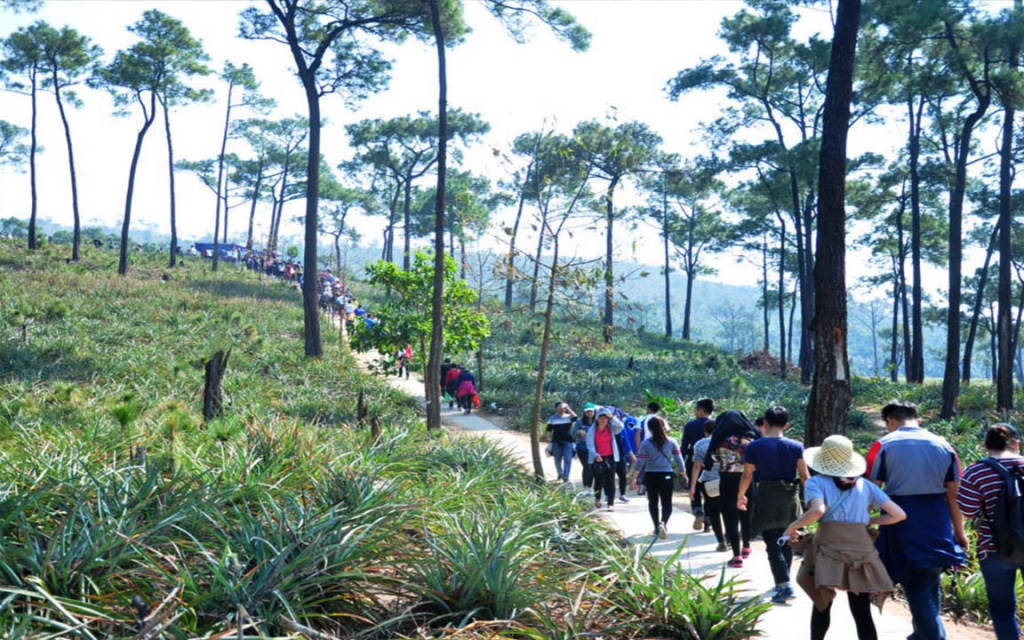
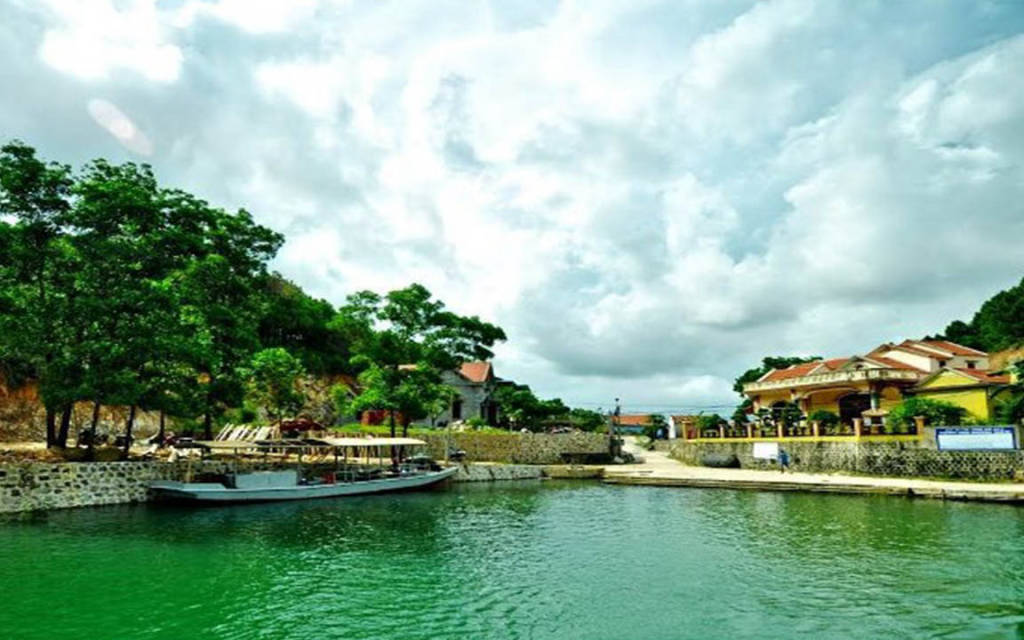
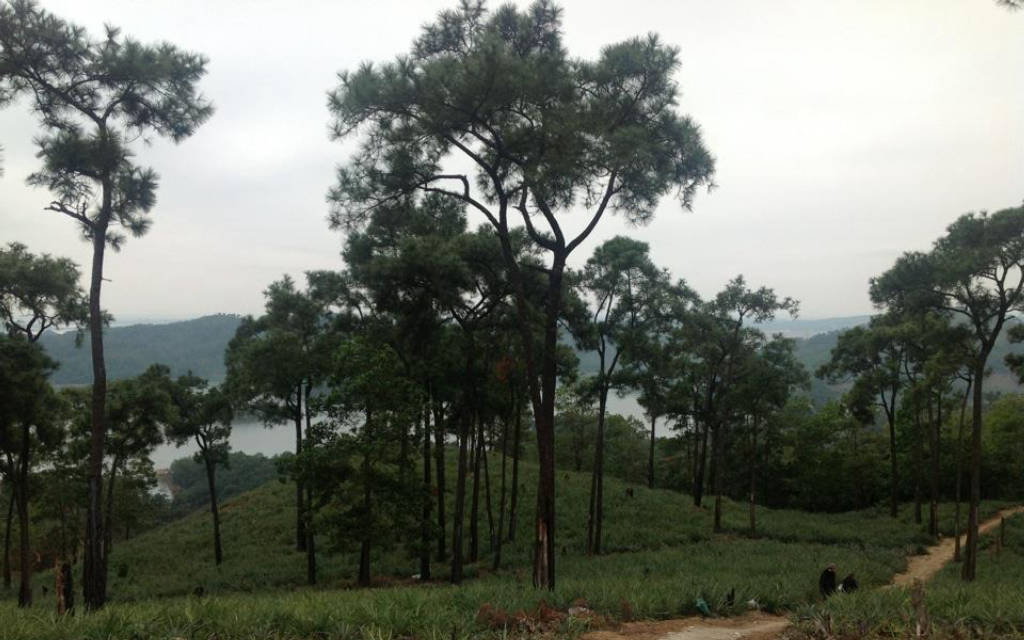
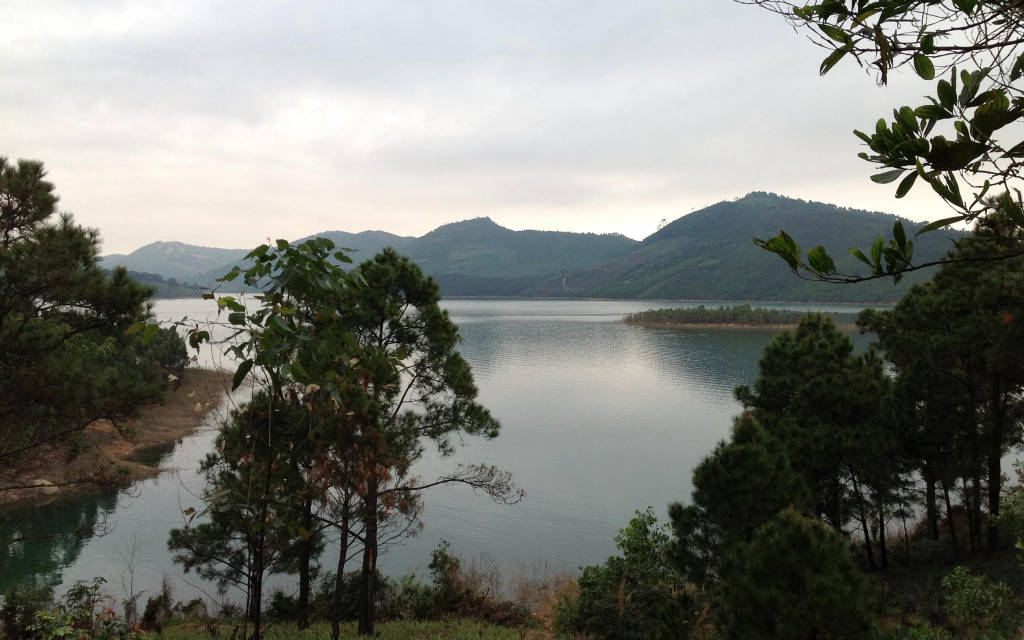
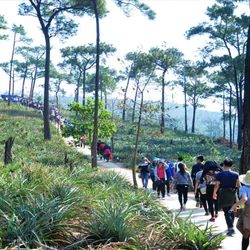
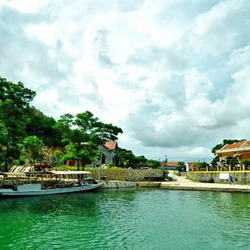
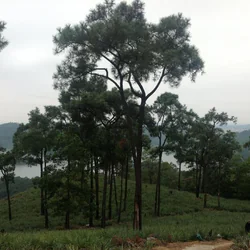
Đến với ngôi chùa bạn sẽ phải đi đò để vượt qua Hồ Yên Lập, từ bến đò bạn sẽ đi trên một con đường nhỏ bê tông chạy men triền núi, vắt vẻo qua những ngọn đồi. Con đường sẽ uốn lượn qua những cánh rừng thông, những quả đồi bạt ngàn dứa được người dân trồng ở đây. Bạn sẽ được chiêm ngưỡng phong cảnh núi non hùng vĩ, rất nhiều cảnh đẹp tự nhiên dọc hai bên đường sẽ làm bạn thích thú. Nếu bạn đi vào mùa xuân bạn sẽ thấy những làn sương mù mỏng xung quanh, khiến bạn cảm thấy như ở chốn bồng lai tiên cảnh. Thời gian đi bộ để đến chùa khoảng 1 giờ, đường đi dốc hơi thoai thoải, gần tới chùa bạn sẽ vượt qua một đoạn nhỏ đi trên các tảng đá lớn. Lưu ý khi đi bộ bạn cần mang theo nước uống, vì dọc đường không có quán.
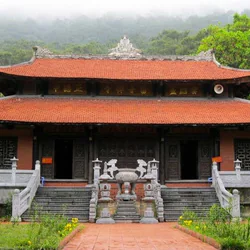
Năm 1997 chùa được bộ văn hóa chứng nhận di tích lịch sử cấp Quốc gia. Theo thời gian ngôi chùa cũ đã bị xuống cấp, sau đó được xây dựng thay thế bởi ngôi chùa mới. Ngôi chùa mới được xây dựng nhờ sự đóng góp công sức của các phật tử khi đến lễ chùa. Do ngôi chùa ở trên cao, việc vận chuyển nguyên vật liệu rất khó, vì vậy mỗi người thường mang giúp chùa một cặp gạch đỏ hay túi cát nhỏ để làm công đức cho chùa. Ngôi chùa mới nhỏ bé mà uy nghi nằm trên đỉnh núi cao được bao bọc bởi rừng cây, khiến cho các du khách khi đến đây đều cảm thấy bình yên. Phía sau chùa có suối giải oan, giếng tiên và đặc biệt còn có Hang Cậu, có mái chính là hòn đá khổng lồ chìa ra, quả là một sự kỳ diệu của tạo hóa ban cho nơi đây. Nếu bạn đến Quảng Ninh du lịch thì không nên bỏ qua chùa Lôi Âm, nơi bạn không chỉ dâng hương, cầu phúc, bình an mà còn chiêm ngưỡng vẻ đẹp tự nhiên của núi rừng.
Mở cửa: Cả ngày
Giá vé tham quan: Miễn phí
Giá vé đò: 30.000đ-50.000đ/1 lượt