


""에 대한 모든 결과 보기

 언제든지
언제든지 
 Tiếng Việt
 English한국어
 日本語
日本語 简体中文
简体中文 Français
 Deutsch
 Español
 Italiano
 Русский


 기업 로그인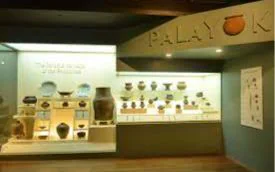


National Museum of Anthropology
 Av. P.º de la Reforma s/n, Polanco, Bosque de Chapultepec I Secc, Miguel Hidalgo, 11560 Ciudad de México, CDMX, Mexico
The National Museum of Anthropology (Museo Nacional de Antropología) in Mexico City stands as a crown jewel among the world's anthropological museums, showcasing the rich and diverse cultural heritage of Mexico's indigenous peoples.
The National Museum of Anthropology (Museo Nacional de Antropología) in Mexico City stands as a crown jewel among the world's anthropological museums, showcasing the rich and diverse cultural heritage of Mexico's indigenous peoples. Established in 1964, the museum is located in Chapultepec Park and is renowned for its extensive and comprehensive collections.
The museum's imposing structure itself is an architectural marvel designed by Pedro Ramírez Vázquez. Its central courtyard features a large pond with a symbolic representation of Mesoamerica's four regions, emphasizing the interconnectedness of Mexican cultures. The exhibition halls surround this central courtyard, each dedicated to a specific cultural region or civilization.
The National Museum of Anthropology houses an extraordinary collection of artifacts, including sculptures, ceramics, textiles, and archaeological finds from ancient Mesoamerican civilizations such as the Aztec, Maya, Zapotec, and Olmec. The famous Aztec Sun Stone (or Stone of the Sun) and the colossal Olmec head are among the museum's most iconic pieces.
The museum's mission is not only to exhibit artifacts but also to educate visitors about the cultural diversity and historical depth of Mexico. Interactive displays, multimedia presentations, and educational programs contribute to a comprehensive understanding of the indigenous cultures that have shaped the country.
A visit to the National Museum of Anthropology provides an immersive and enlightening experience, allowing visitors to delve into the fascinating history, art, and anthropology of Mexico's diverse peoples. It remains a cultural beacon and a testament to the rich tapestry of Mexico's heritage.