


 Tiếng ViệtEnglish
 한국어
한국어 日本語
日本語 简体中文
简体中文 Français
 Deutsch
 Español
 Italiano
 Русский


Tasty Congee & Noodle Wantun Shop
 8 Finance St, Central, Hong Kong
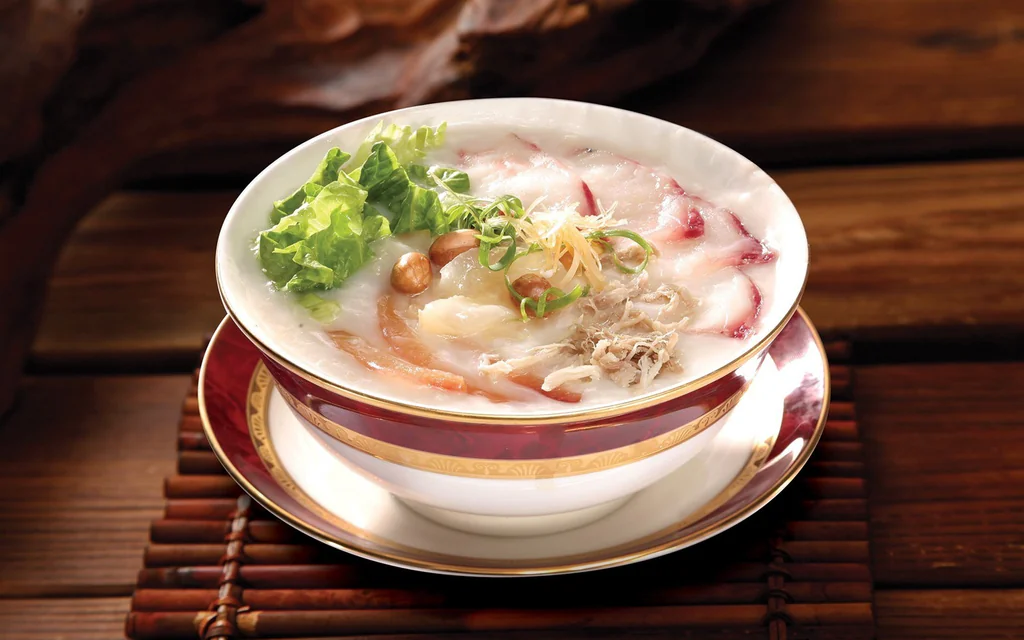
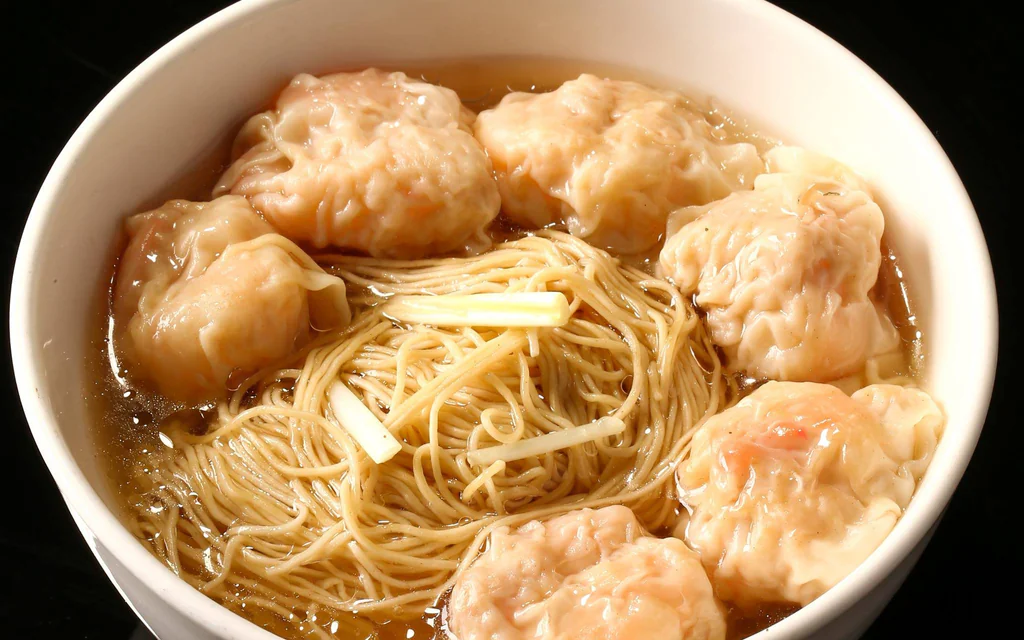
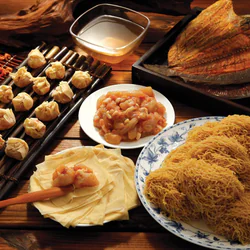
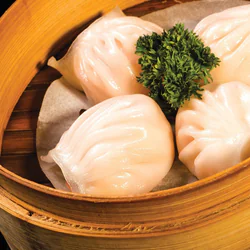
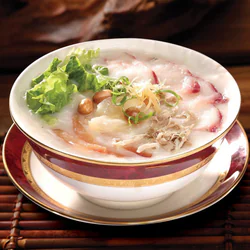
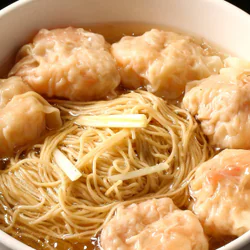
If you are a loyal fan of Chinese cuisine, especially Cantonese dishes, do not miss this traditional restaurant located in the IFC mall, a prime location in the Central area. With the strength of wonton noodle soup, and Cantonese porridge; The restaurant is always busy welcoming hundreds of local diners and visitors from all over the world.
After Japan surrendered and officially withdrew from Hong Kong in mid-August 1945, the city began to recover and develop amazingly; Along with the economic revival, the development of Chinese-influenced culinary culture plays an important role in the daily life of the indigenous people. In which, it is impossible not to mention the wonton noodle dish, which began to dominate on street food stalls or luxury restaurants. 1946 was a boom year for this noodle dish in Cang Thom, mainly with 4 big names from Guangdong, China, and the Ho family, the Ma family, the Tran family and the Au family. Each brand has its own unique quality by ingredients and heirloom recipes. At that time, the people of Hong Kong witnessed a series of successful and powerful officials, or famous rich people in the city, ignoring their dignified and luxurious features and ready to go to the shops. Eat on the sidewalk to enjoy these delicious bowls of noodles.
A delicious bowl of noodles is largely due to the fine noodles, which ensure the synthesis and balance of its juiciness and elasticity. Then comes the broth, which must be simmered from fresh meat, ensuring that the water is clear and has a certain pure taste. The noisy family Ho Chieu Hung has been famous for this noodle dish since he was a child in Guangzhou. After the war, he immigrated to Hong Kong and brought the quintessence of his hometown's cuisine to a modest roadside eatery on one of Hong Kong's busiest streets. June 1996, “Tasty Congee & Noodle Wantun Shop” was established in Bao Ma Dia (Happy Valley); the residence of the Hong Kong elite. The restaurant was born as a tribute and reverence of a son to his father. In 2007, "Tasty Congee & Noodle Wantun Shop" was opened to serve at the IFC shopping center of the bustling Central area. Up to now, the restaurant has 5 branches throughout the central areas of Hong Kong such as Hong Kong Island, Kowloon, New Territories, Dai Ershan and even Hong Kong International Airport.
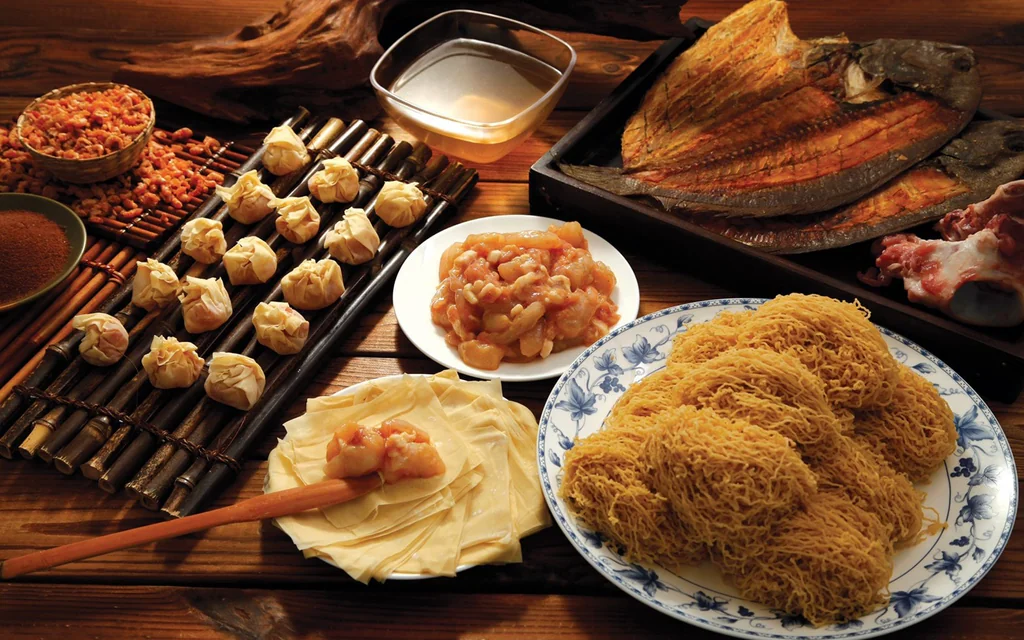
According to folklore, this is just a Hunan snack, wonton served with noodles. Later, when it was introduced to Guangdong province, it was transformed into an extremely dense and attractive dish, becoming one of the culinary quintessence of Cantonese in particular and China in general. How to create succulent noodles, and ensure elasticity, requires meticulous manual processes from mixing, kneading dough to cutting noodles. The processing of the broth also plays an important role; broth is cooked from foods such as dried halibut, pork bones, dried shrimp for many hours using traditional recipes; create a unique aroma, salty taste that can not be found anywhere else.
In 2001, the restaurant was recognized by the Hong Kong Tourism Board as the best noodle shop. From 2009 until now, the restaurant has been honored as "One Michelin Star Restaurant".
Restaurants and bars are open to serve diners from 10.00 AM to 10.00 PM (all days of the week). Details of branches can be found at the following link: