


See all results for ""

 Anytime
 Tiếng ViệtEnglish
 한국어
한국어 日本語
日本語 简体中文
简体中文 Français
 Deutsch
 Español
 Italiano
 Русский


 Login for Corporates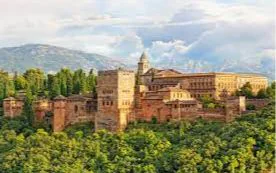
Alhambra Woods
 P.º Bosque de la Alhambra, Centro, 18009 Granada, Tây Ban Nha
The Alhambra Woods, also known as the Alhambra Forest or Bosque de la Alhambra, form an integral part of the landscape surrounding the iconic Alhambra complex in Granada, Spain.
The Alhambra Woods, also known as the Alhambra Forest or Bosque de la Alhambra, form an integral part of the landscape surrounding the iconic Alhambra complex in Granada, Spain. Enveloping the historic site, these woods contribute to the overall allure of the Alhambra, creating a natural complement to the architectural splendor.
The wooded areas surrounding the Alhambra feature a diverse collection of trees, including cypress, pine, and holm oak. This lush greenery not only provides a picturesque backdrop to the palaces and gardens but also serves practical purposes, contributing to the overall environmental and aesthetic balance of the site.
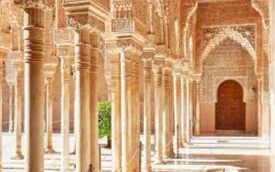
The Alhambra Woods are more than mere landscaping; they embody an essential aspect of the Nasrid Dynasty's vision for the Alhambra. The integration of natural elements, such as trees and vegetation, is a deliberate design choice that adds to the sensory experience of visitors. The combination of fragrant blooms, shaded pathways, and the soothing sounds of rustling leaves creates an immersive atmosphere that complements the intricate architecture and water features of the Alhambra.
Wandering through the Alhambra Woods allows visitors to escape the bustling world outside and step into a serene natural environment. This blend of architecture and nature reflects the Nasrids' appreciation for balance and harmony, creating a holistic experience for those exploring the Alhambra.
In addition to their aesthetic role, the Alhambra Woods have historical significance, serving as witnesses to the passage of time and the various civilizations that have influenced the region. As visitors traverse the wooded paths surrounding the Alhambra, they embark on a journey through both natural beauty and historical resonance, enhancing their understanding of this UNESCO World Heritage site.