


See all results for ""

 Anytime
 Tiếng ViệtEnglish
 日本語
日本語 한국어
한국어 简体中文
简体中文 Français
 Deutsch
 Español
 Italiano
 Русский


 Login for Corporates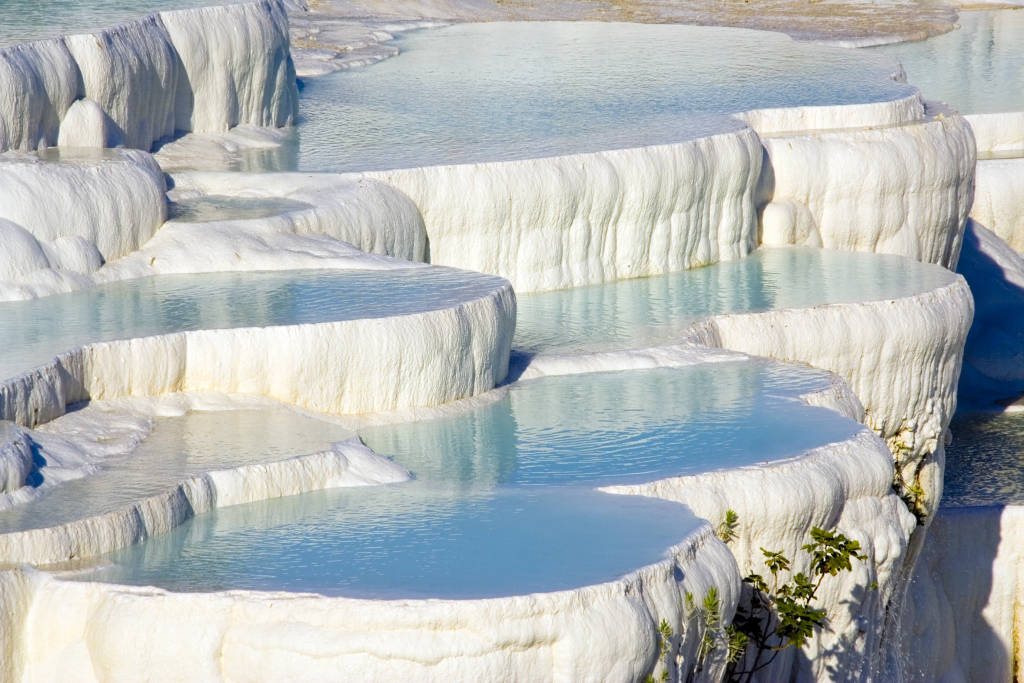
Pamukkale
 Denizli Province, Turkey
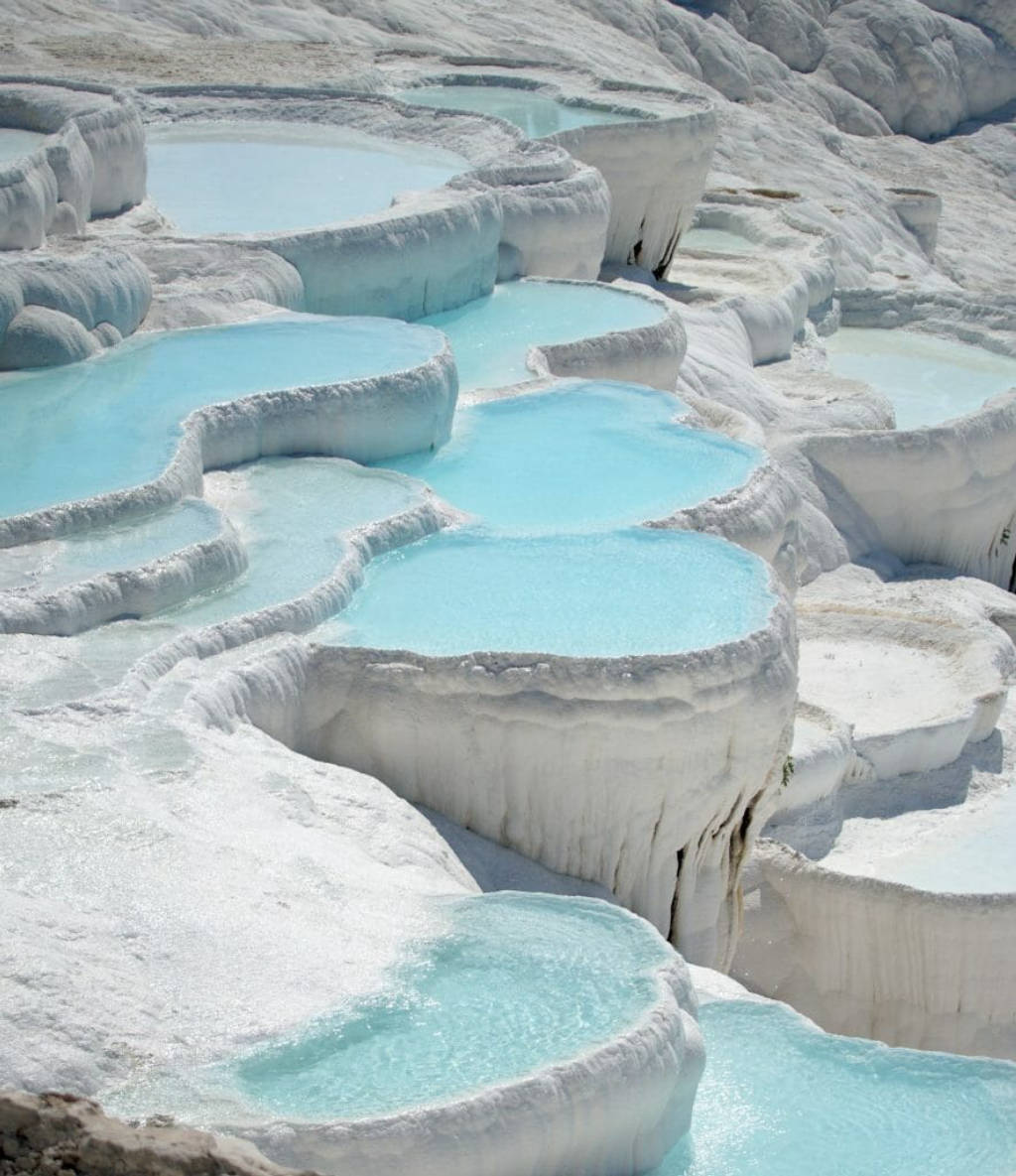
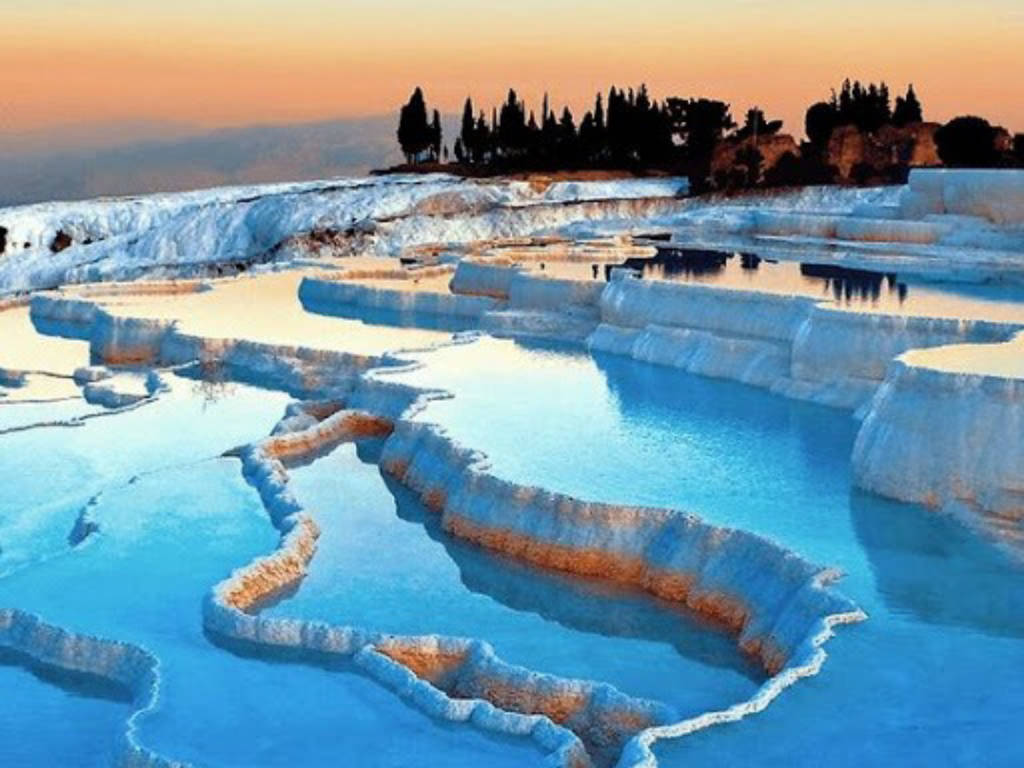
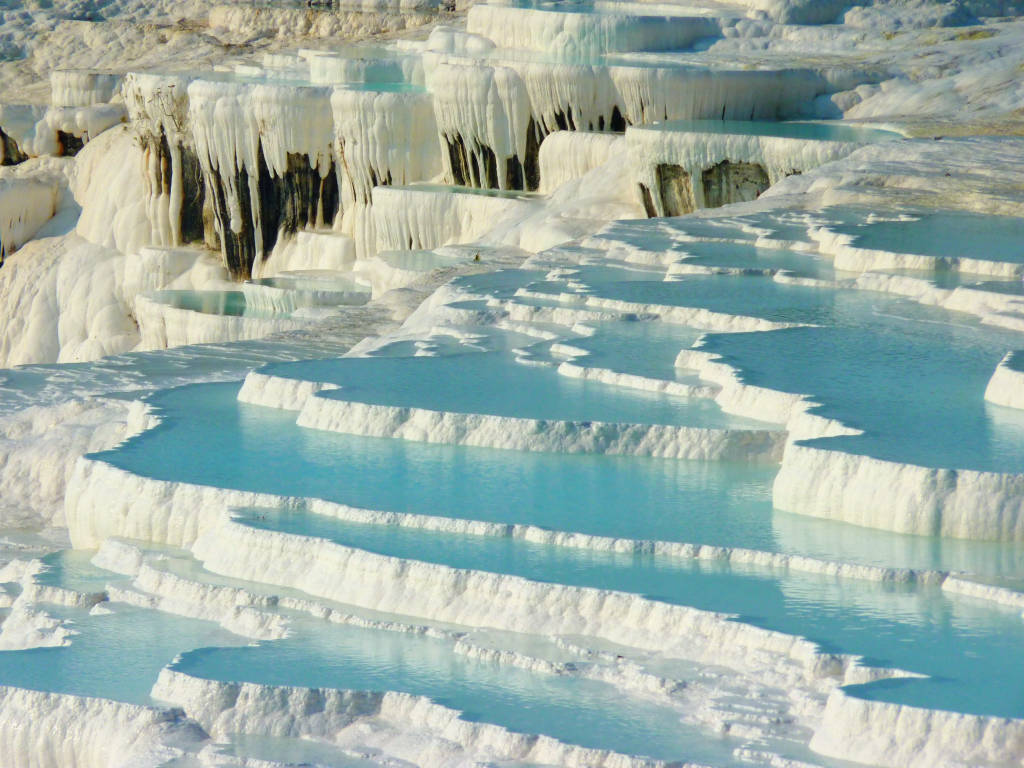
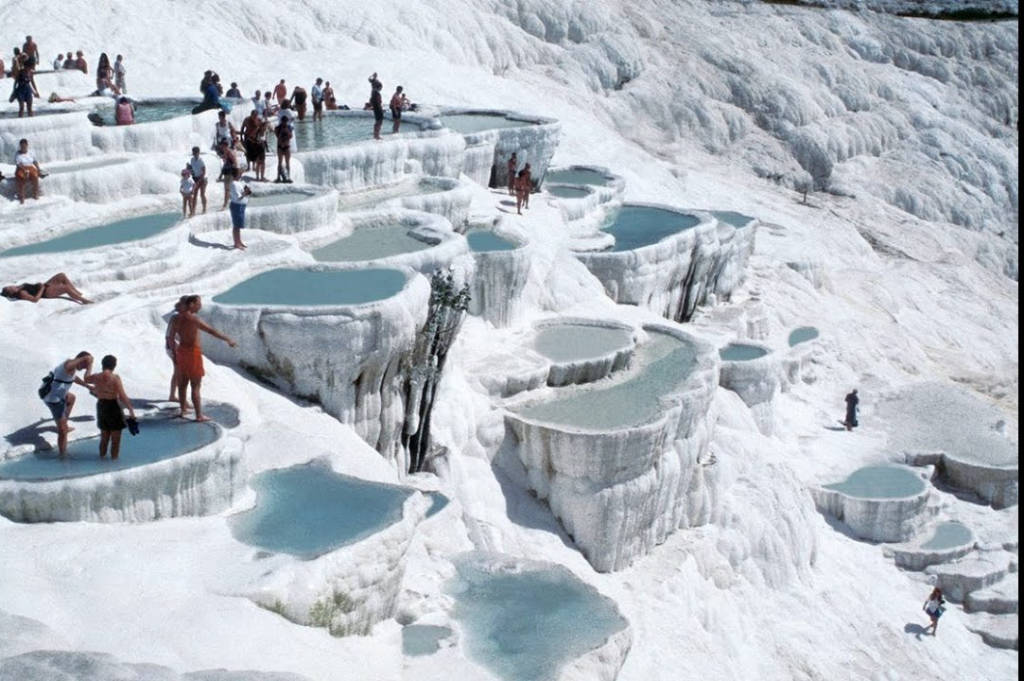
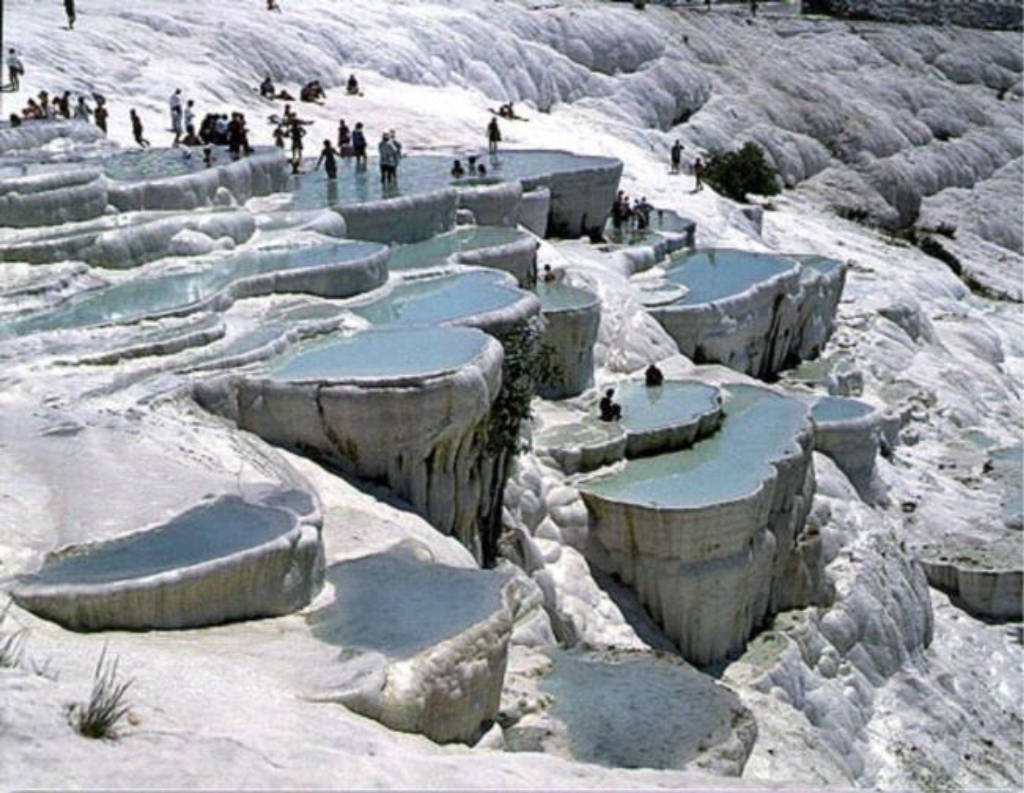
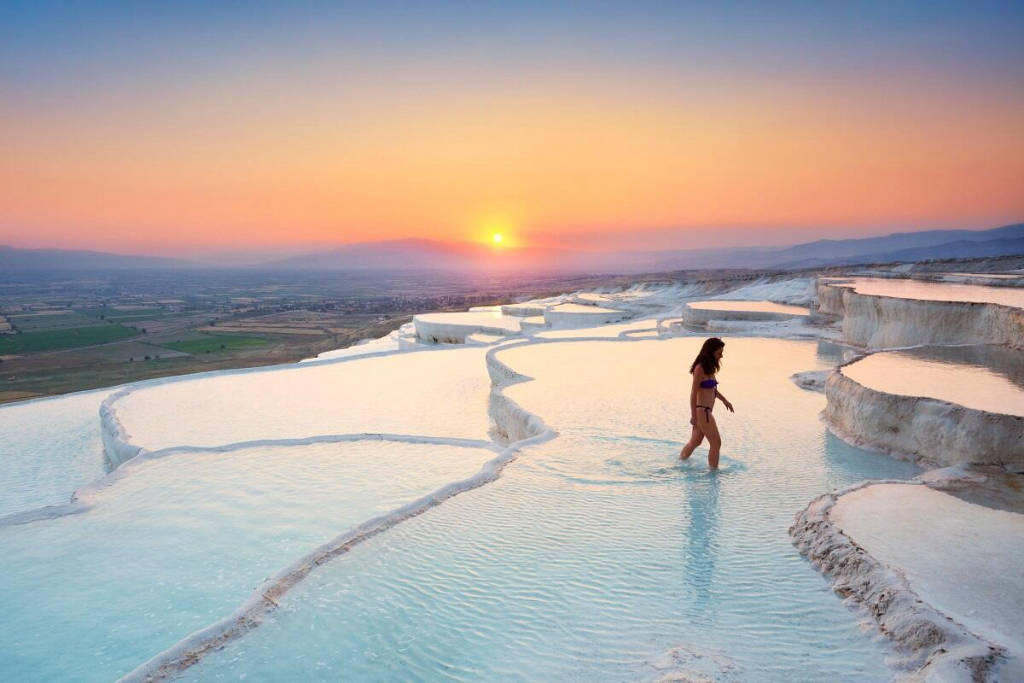
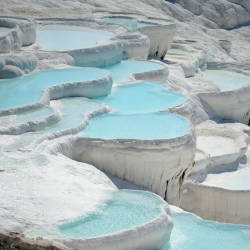
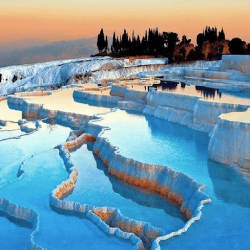
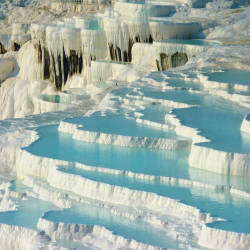
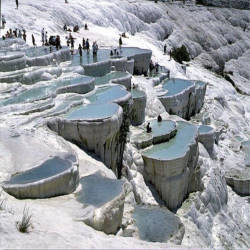
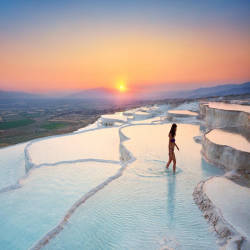
Pamukkale is a favorite among tourists and a special geological phenomenon. This is a town in western Turkey best known for its mineral-rich hot waters that cascade down the bright white terraces of a steep valley slope. Pamukkale means "cotton castle" in Turkish, these beautiful salt mounds are a natural wonder. Used as an ancient mecca in the past, today the hot spring attracts millions of visitors from all over the world.
The beautiful white calcium pools, clinging to the mountainside, have long been one of Turkey's most famous postcard photos. Pamukkale, literally "cotton castle", is also the site of the ancient city of Hierapolis, which has many interesting ruins and is a very popular destination for a short visit. The Turks call it the cotton castle due to the similarities these white terraces have with the cotton plantations grown in central Turkey.
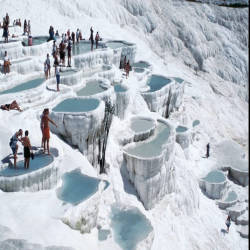
Pamukkale is formed when a stream with a high content of dissolved calcium bicarbonate flows over the edge of a cliff, it cools and hardens leaving calcium deposits. This forms natural pools, racks along the mountainside, where tourists can plunge and take a dip in the warm waters.
Pamukkale is over 100 meters high and can be seen from the nearest town, Denizli, about 20 kilometers away. There are now a total of 17 hot springs in the area, the water flowing from the hot springs ranges in temperature from 35°C to 100°C. It is also home to a sacred swimming pool known as Cleopatra's Pool because The Queen of Egypt is said to have swam there.
Hotels have sprung up here since the 1970s to cater to the large number of tourists, and soon UNESCO declared it a World Heritage Site. But by the 1990s, this affected the condition of the calcium pools and the restrictions placed on these travertine ladders. Many hotels were demolished, visitors were only allowed to enter the main aisles around this area, and had to take off their shoes to stand on the calcium deposits. This appears to be a successful move, as the water supply is now used for preservation and some of the damaged calcium deposits have been enhanced.
Pamukkale welcomes more than 2 million visitors every year and it is also the most visited tourist destination in Turkey. Not far from Pamukkale is Hierapolis, an ancient Roman spa city founded around 190B.C. The ruins there are a pristine theater and a graveyard with tombs stretching 2km. With its unique combination of natural and man-made marvels, it's no surprise that Pamukkale-Hierapolis is such a tourist hotspot. In 1988, Pamukkale, along with Hierapolis, was recognized by UNESCO as a World Natural Heritage Site.
Business hours:
Daily, from 06:00 to 23:00.
Ticket price: 80 liras/pax
Address: Denizli Province, Turkey