


See all results for ""

 Anytime
 Tiếng ViệtEnglish
 한국어
한국어 日本語
日本語 简体中文
简体中文 Français
 Deutsch
 Español
 Italiano
 Русский


 Login for Corporates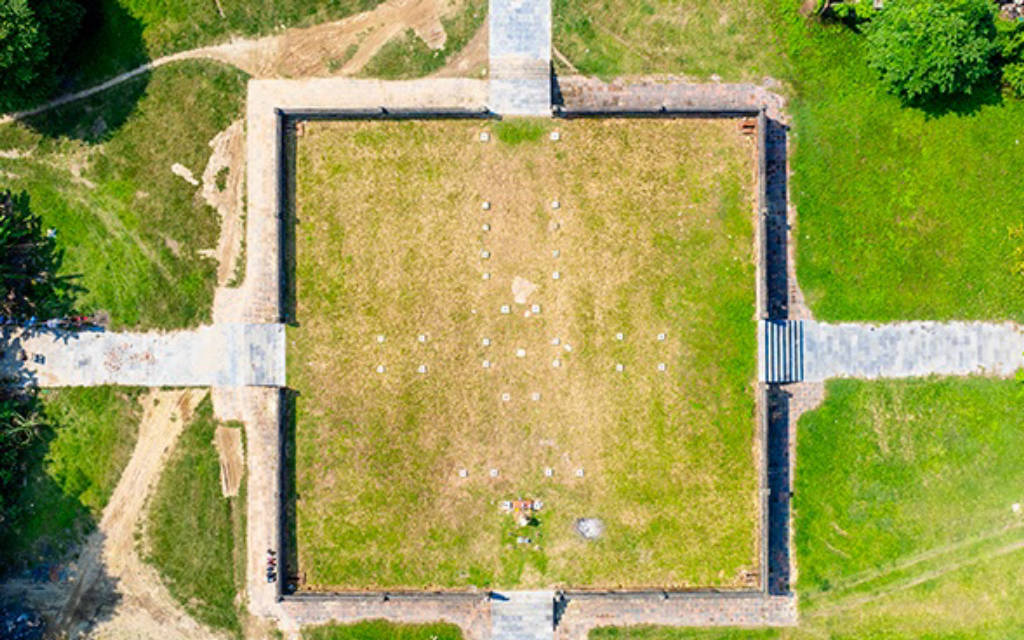
Xa Tac Altar
 Đàn Xã Tắc, Xã Tắc, Thuận Hòa, Huế, Thừa Thiên Huế, Việt Nam
Located in Thuan Hoa Ward, Hue City, Thua Thien Hue Province, Xa Tac Altar is one of the must-visit destinations in the journey to explore the history and culture of Vietnam. Situated near the Imperial City of Hue, about 4 km from the Citadel, this site is not only an ancient architectural structure but also carries significant spiritual and cultural values. Built in March 1806 during the reign of King Gia Long, Xa Tac Altar is where ceremonies are held to honor the Land God and the Rice God, reflecting the court's respect for nature.
1. Historical Information
Xa Tac Altar was established to conduct rituals to pray for the prosperity of the country and its people. Notably, when constructing the altar, King Gia Long issued a decree requiring all provinces to send clean soil to the capital, demonstrating respect for the homeland. The rituals of the Altar take place in the second and eighth lunar months each year, attracting participation from the king and officials. However, from the time of King Thanh Thai, the ceremony occurred only once every three years, and during King Bao Dai’s reign, it was reduced to just one day, marking a shift in customs.
2. Architecture
The architecture of Xa Tac Altar is intricately designed with two square tiers. The upper tier, 1.60m high, has sides measuring 28m, with the surface adorned in five symbolic colors: yellow in the center, green to the east, white to the west, red to the south, and black to the north. The lower tier is 1.20m high with sides measuring 70m and a red-painted railing. The rectangular wall surrounding the site is 162m long and 202m wide, constructed sturdily with multiple entrances. This architectural style is not only aesthetically pleasing but also reflects Eastern cosmological concepts, integrating heaven, earth, and humanity.
3. Cultural Significance
Xa Tac Altar is not merely an architectural structure; it holds profound cultural significance for the Vietnamese people. It embodies beliefs, customs, and traditional festivals, closely linked to aspirations for health, peace, and prosperity for families and communities. Xa Tac Altar serves as a testament to the connection between humans and nature, expressing faith in the protection of deities.
4. Current Status of the Site
Today, Xa Tac Altar is recognized as a national historical site according to Decision No. 99/QD-BVHTT dated December 13, 2006, by the Ministry of Culture and Information. Despite the passage of time and destruction, the site retains important remnants. Surrounding the altar are various auxiliary structures, such as ponds and screens, creating a serene and solemn environment for cultural activities. Traditional festivals and ceremonies continue to be held, attracting many visitors who come to experience the sacred atmosphere.
5. Travel Guide
To reach Xa Tac Altar, visitors can easily travel by motorbike or car from the center of Hue. The best time to visit is in the morning or late afternoon when the air is fresher and quieter. Don’t forget to bring a camera to capture beautiful moments and learn about the history and architecture of the site. Take time to explore the surrounding area, participate in festivals, and enjoy the traditional atmosphere of the local people.