


 Tiếng ViệtEnglish
 한국어
한국어 日本語
日本語 简体中文
简体中文 Français
 Deutsch
 Español
 Italiano
 Русский


 Login for Corporates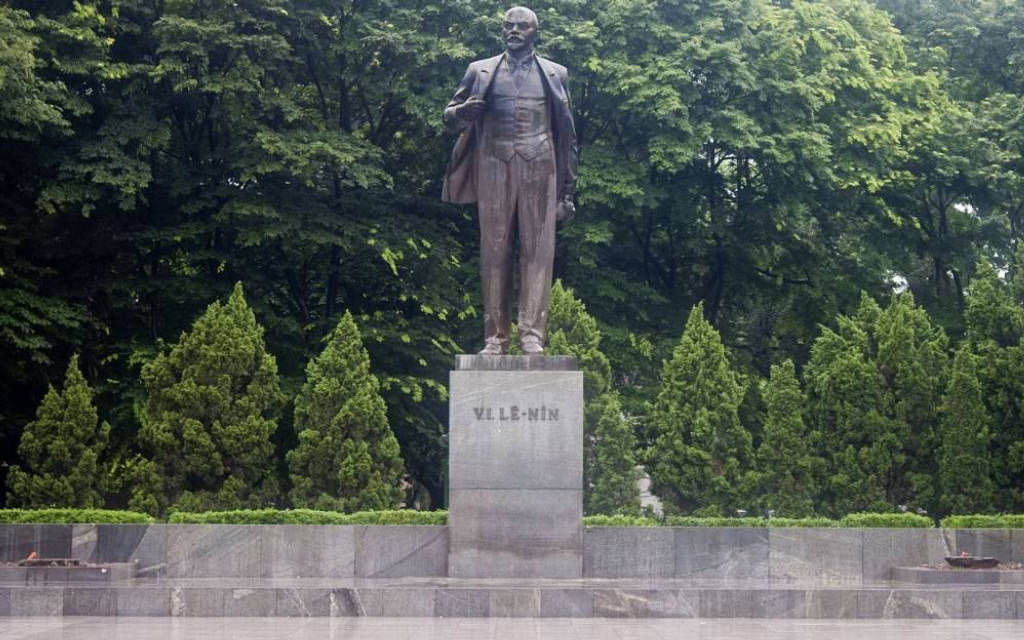
Lenin Park (Chi Lang Flower Garden)
 28A Dien Bien Phu Street, Dien Bien Ward, Ba Dinh District, Hanoi City, Vietnam
Lenin Park (Chi Lang Flower Garden) is a cool green space in the heart of Hanoi, located on Dien Bien Phu Street, near Ba Dinh Square. The park is triangular in shape, with a total area of 17,183 m². The park stands out with a solemn Lenin statue, a large lawn and rows of shady green trees. This is an ideal destination for relaxation, exercise and enjoying the fresh air, while also being rich in historical and cultural values.
Lenin Park – The Green Lung in the Heart of Hanoi
Lenin Park – a green, peaceful space in the heart of Hanoi, is also a confluence of history, culture, and nature. The park is not only a place for relaxation and enjoying fresh air but also holds deep historical significance, closely tied to the development of the capital.
1. Prime Location and Formation History
Lenin Park is situated right in the center of Ba Dinh District, along the bustling Dien Bien Phu Street, opposite Ho Chi Minh Mausoleum and Ba Dinh Square. The park is triangular in shape, with a total area of 17,183 m². This golden location is home to many of Hanoi's important cultural and historical landmarks.
Before being named Lenin Park, this area was known as Chi Lang Flower Garden – a green space with ornamental plants serving Hanoi residents since the French colonial period. After 1955, to honor the great leader of the world proletarian revolution, the Hanoi government renamed this area Lenin Park and erected a statue of Vladimir Ilyich Lenin in 1980.
2. Architecture and Green Spaces in the Park
2.1. Lenin Statue – The Central Symbol
As soon as you enter the park, you will encounter the Lenin statue – a historical figure who greatly influenced Vietnam's struggle for national liberation. The Lenin statue stands about 5.2 meters tall on a stone pedestal, with a powerful and resolute posture, facing forward as a symbol of the enduring revolutionary spirit. The statue is set in a large square, surrounded by green trees and lush lawns, creating a solemn yet approachable atmosphere. This area is also where remembrance activities are often held on major national holidays.
2.2. Cool and Harmonious Green Spaces
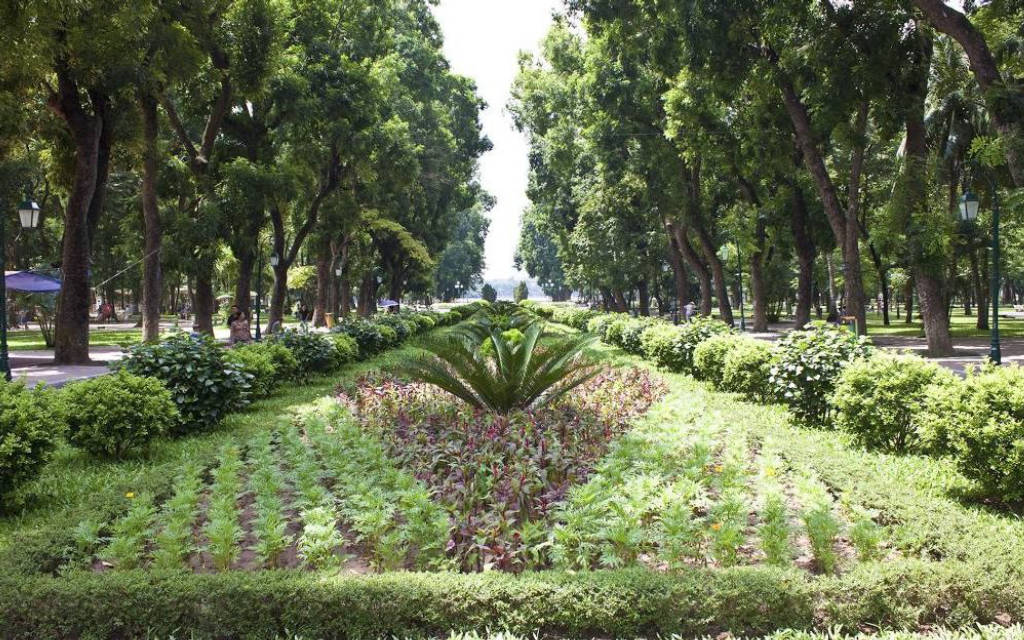
Lenin Park is designed as an open garden, with many stone paths interspersed among lawns, green trees, and colorful flower beds. Tall ancient trees, such as Lagerstroemia, Rosewood, and Dracontomelon, provide shade throughout the park, offering a pleasant atmosphere year-round. Additionally, stone benches are scattered throughout the park, ideal for people to rest, chat, or simply sit and watch the bustling life outside.
3. A Destination for Community Activities
Lenin Park is not only a place for relaxation but also a familiar location for various cultural, sports, and community activities:
3.1. Exercise and Sports
In the early mornings or late afternoons, the park becomes lively with Hanoi residents exercising. Groups of people jogging, practicing yoga, dancing, or martial arts create a very vibrant yet harmonious atmosphere with the tranquility of nature.
3.2. Children's Entertainment Activities
The park also has a small area dedicated to children with games such as slides, swings, and seesaws. This is where families often bring their children to play and enjoy the fresh air.
3.3. Community Meeting Point
Thanks to its spacious area and prime location, the park often serves as a venue for meetings and gatherings of groups interested in photography, painting, chess, or street art performances.
4. Cultural and Historical Value
The space of Lenin Park also holds significant historical value. The Lenin statue not only symbolizes the revolutionary spirit but also recalls the long-standing friendship between Vietnam and the Soviet Union (now Russia). On major holidays, such as International Workers' Day on May 1st or Russian October Revolution Day on November 7th, the park hosts solemn remembrance ceremonies, expressing gratitude and respect for Lenin and the revolutionary ideals he brought.
5. Conclusion
Ladies and gentlemen, Lenin Park is not just a green space for relaxation but also an indispensable part of Hanoi's cultural and historical tapestry. It is a place where every Hanoi resident has cherished memories, a space to immerse in nature, learn about history, and enjoy peaceful moments amidst the hustle and bustle of life. We hope that after your visit, you will have memorable experiences and gain a deeper understanding of Hanoi's beauty. Have a wonderful day and see you on the next journey!
Experience Suggestions at the Park
When visiting Lenin Park, you can enjoy some of the following activities:
• Visit and Photograph the Lenin Statue: This is a unique symbol of Hanoi, providing you with historically rich photos.
• Stroll in the Green Spaces: Walk along the stone paths, breathe in the fresh air, and feel the tranquility the park offers.
• Enjoy Street Food Near the Park: The area around the park has many famous Hanoi street food stalls, from Trang Tien ice cream, banh mi, to pho and egg coffee.
Opening hours: 24/7 all days of the week
Ticket price: free, free admission