


 Tiếng ViệtEnglish
 한국어
한국어 日本語
日本語 简体中文
简体中文 Français
 Deutsch
 Español
 Italiano
 Русский


 Login for Corporates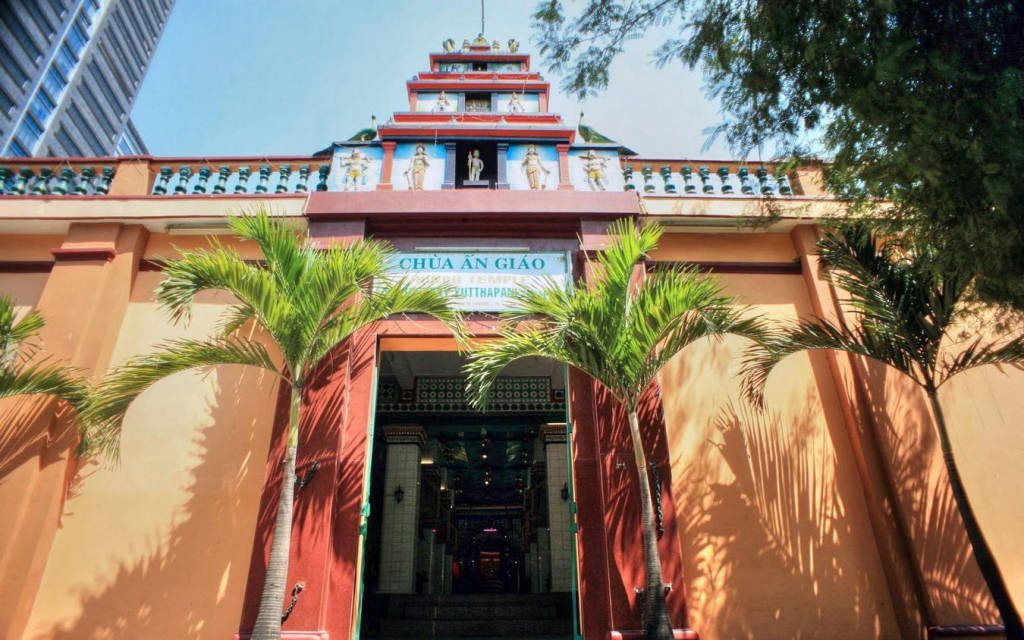
Sri Thenday Yutthapani Hindu Temple
 66 Ton That Thiep Street, Ben Nghe Ward, District 1, Ho Chi Minh City, Vietnam
Sri Thenday Yutthapani Hindu Temple at 66 Ton That Thiep, District 1, Ho Chi Minh City, is a unique destination with a strong Indian culture. With its splendid Dravidian architecture, the temple worships Lord Murugan - the symbol of wisdom and victory. This is the religious and cultural center of the Tamil community in Vietnam, famous for festivals such as Thaipusam and Deepavali, attracting a large number of tourists and devotees.
Let's explore one of the unique and fascinating spiritual spots in the heart of Saigon – the Sri Thenday Yutthapani Hindu Temple. This place is not just a religious architectural masterpiece but also a symbol of the cultural integration between the Indian and Vietnamese communities. Join me as we delve into the temple and the inspiring stories behind each detail of this sacred place.
Location and Significance
Sri Thenday Yutthapani Temple is located at 66 Ton That Thiep Street, District 1, Ho Chi Minh City, right in the city center, near Ben Thanh Market and other bustling areas. Although situated on a small street, the temple stands out with its vibrant architectural style. For the Indian community in Saigon, the temple is not only a place of worship but also a place to preserve cultural identity, language, and traditions.
History
Sri Thenday Yutthapani Temple was built in the late 19th century when the Indian community arrived in Saigon for trade and settlement. Initially, it was just a small shrine, but with the community's contributions, the temple gradually expanded and was completed. The temple is named after the deity Thendayuthapani, an incarnation of the god Murugan – the god of war and wisdom in Hinduism. The temple is not only a place of worship but also the cultural center for the Tamil community in Vietnam. Major festivals such as Thaipusam and Deepavali (Festival of Lights) are celebrated here with great pomp, attracting numerous locals and tourists.
Unique Architecture
Upon entering, you will be overwhelmed by the temple's vibrant beauty and intricate details. The temple is built in the traditional Dravidian style – a popular architectural style in South India.
1. Gopuram (Entrance Tower): The Gopuram of the temple is one of its most striking features. Decorated with hundreds of statues of gods, demons, and mythical creatures, the towering structure is painted in vivid colors. Each statue tells a story from Indian mythology, especially the tales of god Murugan.
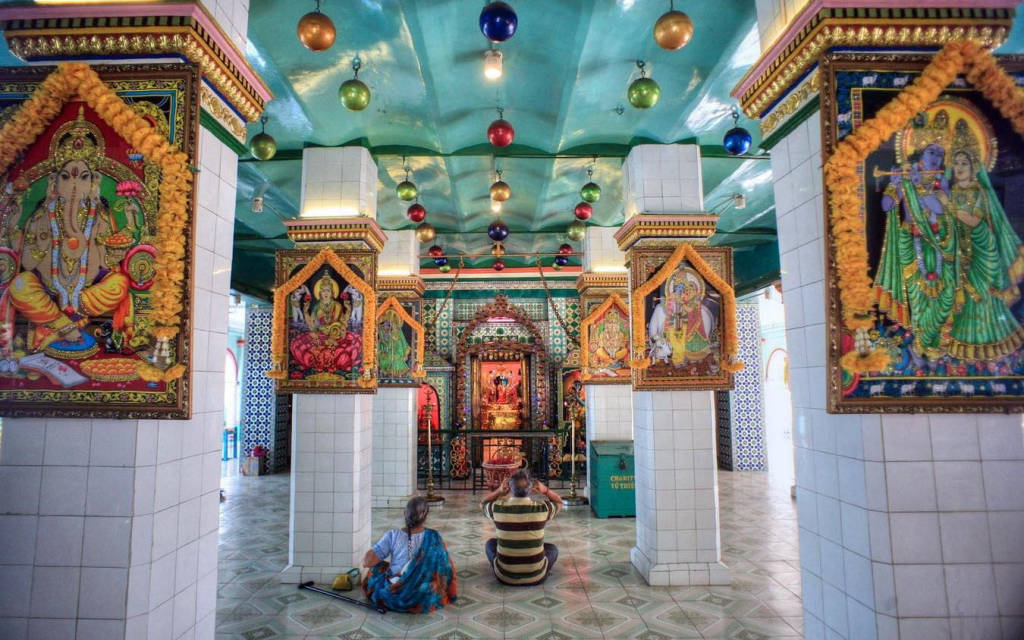
2. Mandapa (Main Hall): Inside, you will find a spacious main hall where the shrine of god Murugan is placed. This area is designed with stone columns carved with Naga snakes, lotus flowers, and other sacred symbols. Each stone column holds religious and feng shui significance, creating balance and harmony in the space.
3. Sanctum (Main Shrine): The main shrine houses the statue of god Murugan, intricately carved from granite. Surrounding it are statues of other gods such as Ganesha (the elephant-headed god of fortune) and Shiva. This area is always filled with the light of oil lamps and the fragrance of incense, creating a sacred and peaceful atmosphere.
4. Colors and Patterns: Color is a distinctive element in the temple's architecture. The walls and roofs are painted red, yellow, green, and blue – colors representing natural elements and the universe in Hinduism. The floral patterns and geometric shapes are repeated on the walls, adding vibrancy and harmony.
Spiritual Activities and Festivals
The temple is renowned not only for its architecture but also for its unique spiritual activities and festivals.
1. Thaipusam Festival: Thaipusam, held around January or February, is the biggest festival at the temple. This is an occasion for devotees to offer gifts and show reverence to god Murugan. A unique aspect of this festival is the Kavadi ritual, where devotees carry offerings on their shoulders or pierce their bodies to express their devotion.
2. Deepavali Festival: The Festival of Lights, Deepavali, is when the temple is splendidly decorated with hundreds of oil lamps and fresh flowers. It is also a time for the Indian community in Saigon to gather and share their joy.
3. Prayer Ceremonies: Daily, the temple holds prayer ceremonies for devotees and visitors. The rituals include offering flowers, fruits, and chanting prayers. Even if you are not a devotee, you can participate to feel the peace and tranquility.
Cultural and Historical Significance
Sri Thenday Yutthapani Temple is not just a place of worship but also a symbol of cultural integration between Vietnam and India. Over more than 100 years, the temple has witnessed Saigon's development from a colonial city to a modern metropolis. For the locals, the temple is a symbol of unity and compassion.
Conclusion
Sri Thenday Yutthapani Hindu Temple is a gem in the heart of Saigon, offering you the chance to explore a unique culture and deep spiritual significance. Take the time to visit this place to experience peace, learn fascinating stories, and immerse yourself in a vibrant spiritual atmosphere. I hope this tour brings you memorable experiences. 😊
Visitor Information:
• Operating Hours: 06:00 - 19:00
• Admission: Free
Interesting Experiences When Visiting:
• Join Prayer Ceremonies: Even if you don't understand the language, you will feel the tranquility through chanting and traditional music.
• Photograph the Architecture: With its vibrant and intricate beauty, the temple is an ideal place to capture unique photos.
• Learn About Indian Culture: You can talk with devotees and temple managers to understand more about Hinduism and the traditions of the Indian community in Vietnam.
Note when visiting:
• Avoid wearing leather clothes or accessories, as Hindus highly respect the Cow.
• Keep your body clean when entering the temple.
• When making offerings, prepare a marigold garland.
• When receiving offerings, accept them with your right hand and enjoy them only after leaving the temple.