


See all results for ""

 Anytime
 Tiếng ViệtEnglish
 日本語
日本語 한국어
한국어 简体中文
简体中文 Français
 Deutsch
 Español
 Italiano
 Русский


 Login for Corporates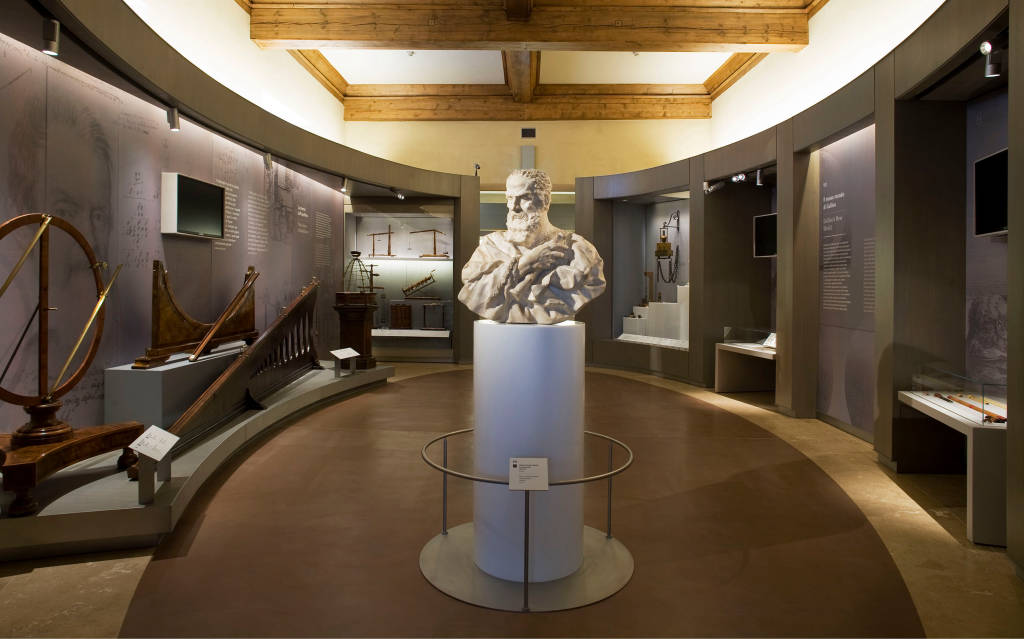
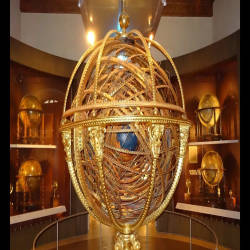
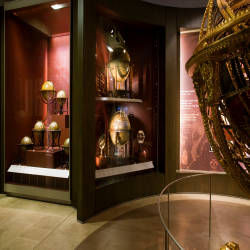
Museum of Galilee - museo galileo
 Piazza dei Giudici, 1, 50122 Firenze FI, Italy
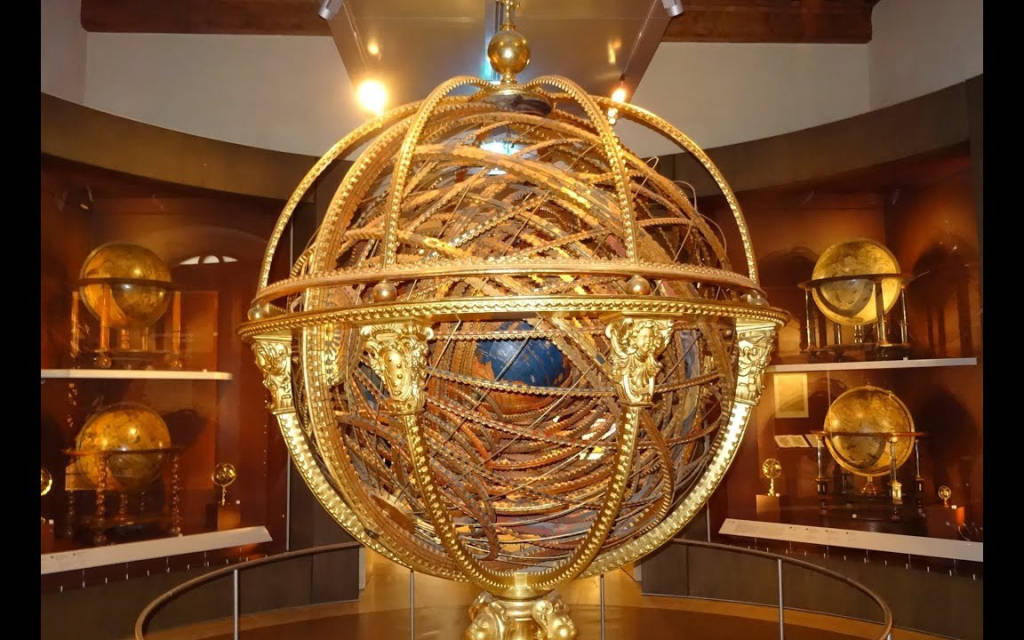
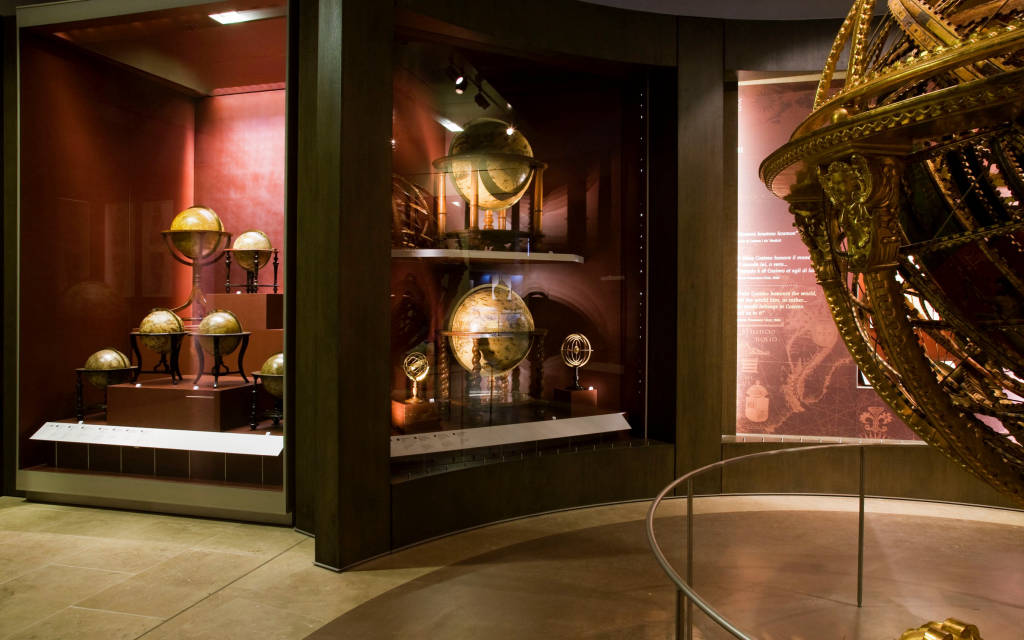
The Galileo Museum is the former History of Science Museum. It houses one of the largest collections of scientific instruments and instruments from the Renaissance until the twentieth century, making it one of the most important museums in the field. This is a place to store artifacts related to the genius scientist Galileo Galilet.
Galileo Galilei (often transliterated in Vietnamese as Galilei was an Italian astronomer , physicist , mathematician and philosopher who played an important role in the scientific revolution . His achievements included improvements to the telescope , subsequent astronomical observations and support of Kopernicanism . Galileo has been called the "father of modern astronomical observation", the "father of physics " modernity ", "the father of science " and the "father of modern science." Stephen Hawking once said: "Galileo, perhaps more than any single person, is responsible for the birth of science. modern school."
Galileo's defense of Kopernik 's heliocentric theory was controversial during his lifetime. The geocentric view has been dominant since the time of Aristotle , and controversy arose after Galileo presented heliocentrism as a demonstration that led the Roman Catholic Church to forbid its propagation as a proven fact, since it was not empirically provable at the time and also contradicted the prevailing biblical interpretation of the time. By order of the Roman Inquisition , Galileo was eventually forced to renounce his heliocentrism and was placed under house arrest until his death.
With priceless objects like Galileo's telescope, the Galileo Museum of History and Science is one of the most important in the world.
The oldest objects were donated by the Medici and Lorraine families. Among the various scientific objects visitors will find mathematical, optical, astronomical, surgical and navigational instruments. There is also a small collection of pocket watches, dating from the late sixteenth century.
Among the most valuable relics housed in the museum is the Galileo telescope. In 1609, Galileo discovered that the moon had valleys, plains, and mountains like the Earth using this very telescope. He also discovered Jupiter's four largest moons. Another stunning object is the first mercury barometer designed in 1643 by Evangelista Torricelli. Curiously, the museum also contains Galileo's middle finger, which fell off in 1737, when they were moving his body to the family crypt.
The museum has been located in the Palazzo Castellani since 1930. It is one of the oldest buildings in Florence, built during the eleventh century and this history can be clearly seen in the building itself.
Everyone who is a fan of science will enjoy visiting the Galileo Museum. Visitors will be able to explore many inventions and participate in small interactive experiences (such as learning to tell time with an astronomical altimeter).
Business hours:
Wednesday to Monday: 9:30am to 6:00pm
Tuesday: 9:30am to 1pm
Fare
Adult: €10 (US$10.9)
Children (ages 6 to 18) and over 65: €6 (US$6.50)
Children (under 6 years old): free