


See all results for ""

 Anytime
 Tiếng ViệtEnglish
 日本語
日本語 한국어
한국어 简体中文
简体中文 Français
 Deutsch
 Español
 Italiano
 Русский


 Login for Corporates
Vietnam Dual Destination: Saigon – Dalat vs Hanoi – Sapa Travel Comparison
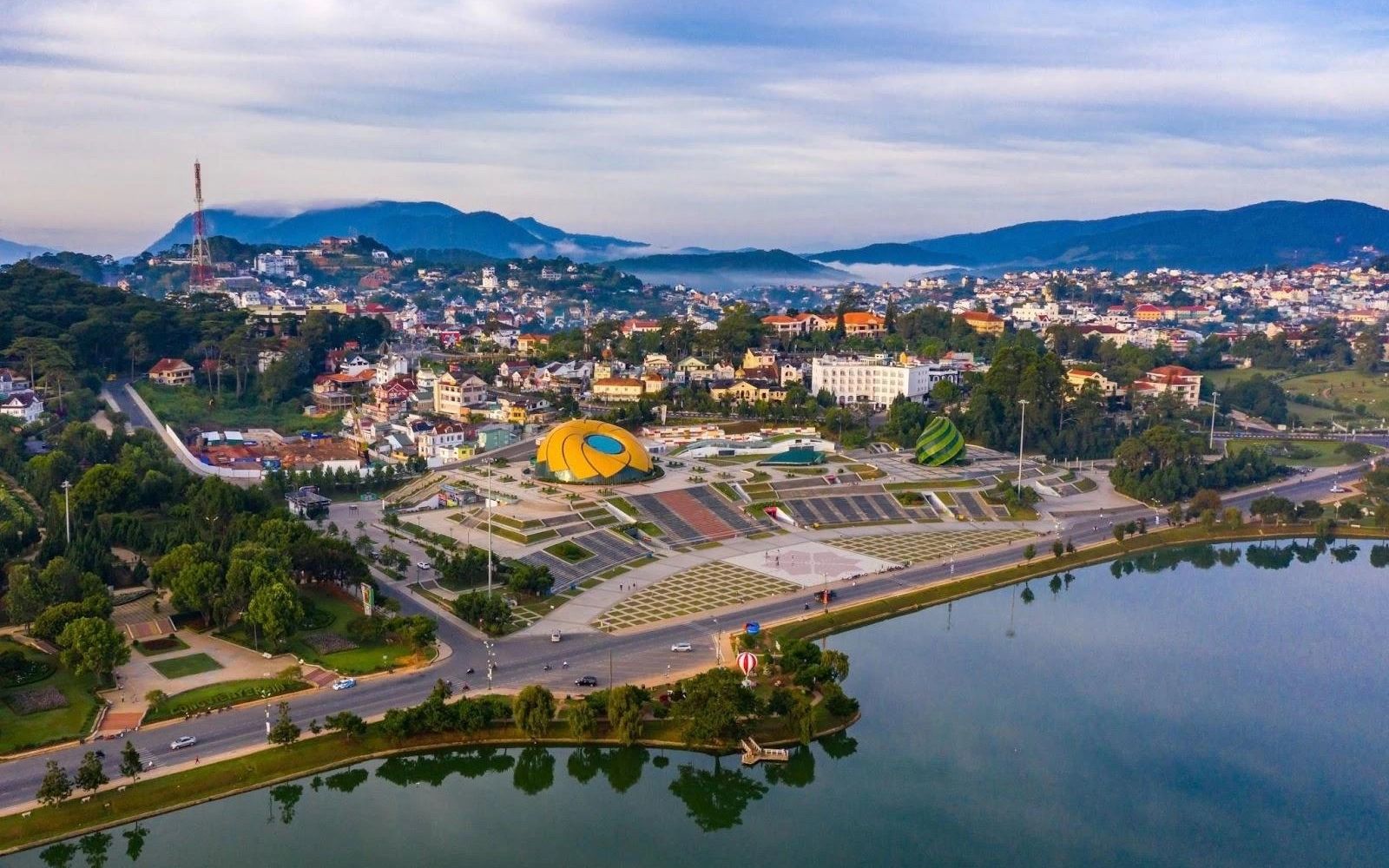
Vietnam’s geography allows travelers to experience striking contrasts within a single journey. Among the most notable dual-destination routes are Saigon – Dalat in the South and Hanoi – Sapa in the North, each offering a very different pace, atmosphere, and type of experience. Below is a detailed comparison to help readers understand the character of each journey and choose the route that best matches their travel preferences.
1. Overview of Vietnam’s Dual-Destination Travel Model
Vietnam offers a unique travel advantage through its ability to combine contrasting landscapes and lifestyles within a single journey. The dual-destination travel model allows visitors to experience contrast within one trip, moving from urban environments to natural landscapes, from fast-paced city life to slower, more immersive settings. In Vietnam, this model works particularly well due to the country’s diverse geography and relatively short travel distances between regions.
Both Saigon – Dalat and Hanoi – Sapa combine a major cultural or economic hub with a highland destination known for cooler weather and natural scenery. This structure creates a balanced journey that blends sightseeing, relaxation, and cultural exploration, making it appealing to a wide range of travelers.

A peaceful pause in Vietnam’s highlands
2. Saigon – Dalat: Urban Energy and Highland Calm
2.1. Saigon: A Dynamic Starting Point
Saigon reflects the modern, energetic side of Vietnam. The city is known for its fast pace, open atmosphere, and constant movement. Visitors are quickly introduced to local life through street food, cafés, markets, and busy streets where traditional culture and contemporary lifestyles coexist.
As a travel destination, Saigon is easy to navigate and adaptable to different interests. Spending one or two days here allows travelers to ease into the country before transitioning to a quieter environment, making it a comfortable starting point for longer journeys.

A dynamic Saigon under the evening sky
2.2. Dalat: A Relaxing Highland Escape

Where misty hills meet a softer pace of life
In contrast to Saigon, Dalat offers a slower pace and a cooler climate. The city is surrounded by pine forests, lakes, waterfalls, and rolling hills, creating a calm and refreshing atmosphere. Its architectural influences and natural scenery contribute to a sense of softness and retreat.
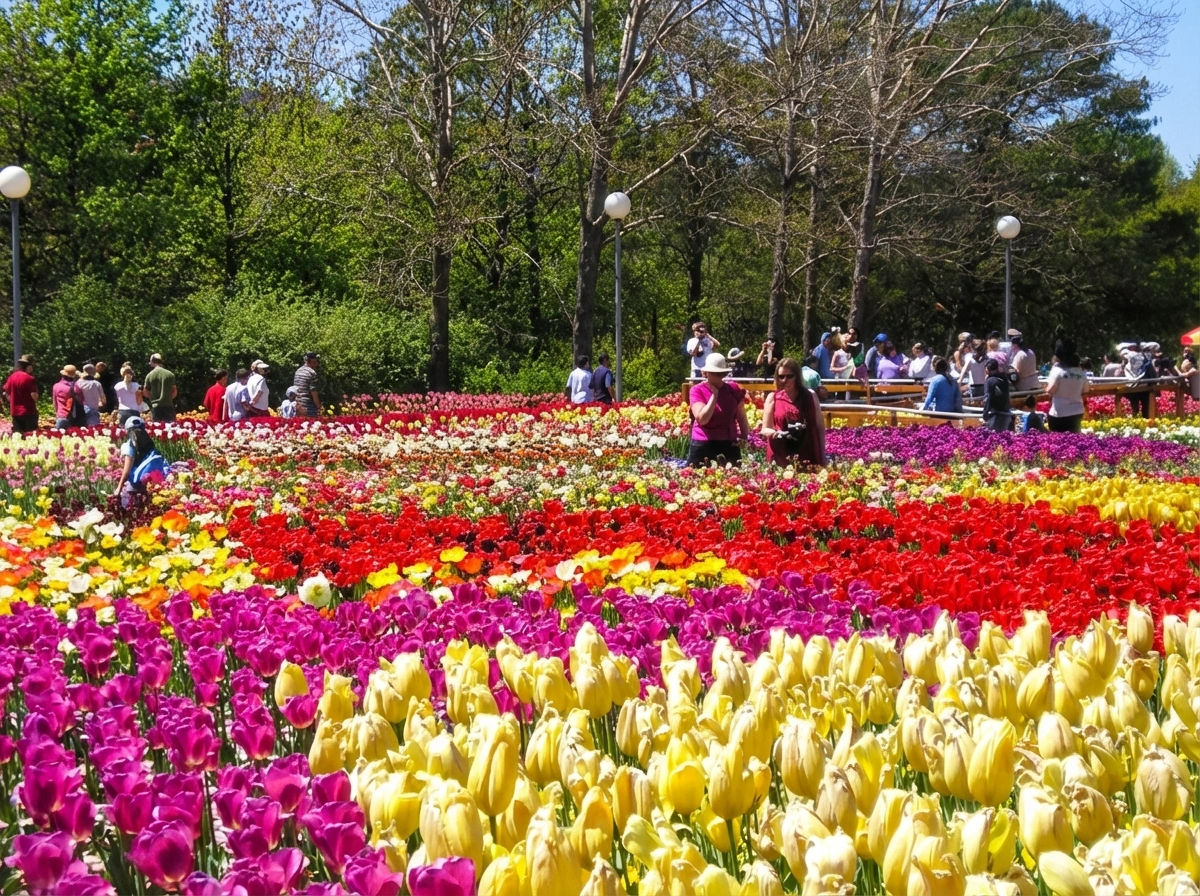
Slow walks, fresh air, and colorful gardens
Dalat appeals to travelers seeking relaxation rather than intense activity. Days are often spent walking through nature, enjoying coffee, visiting gardens, or simply taking in the scenery. The destination feels approachable and gentle, suitable for travelers who prefer unhurried exploration.
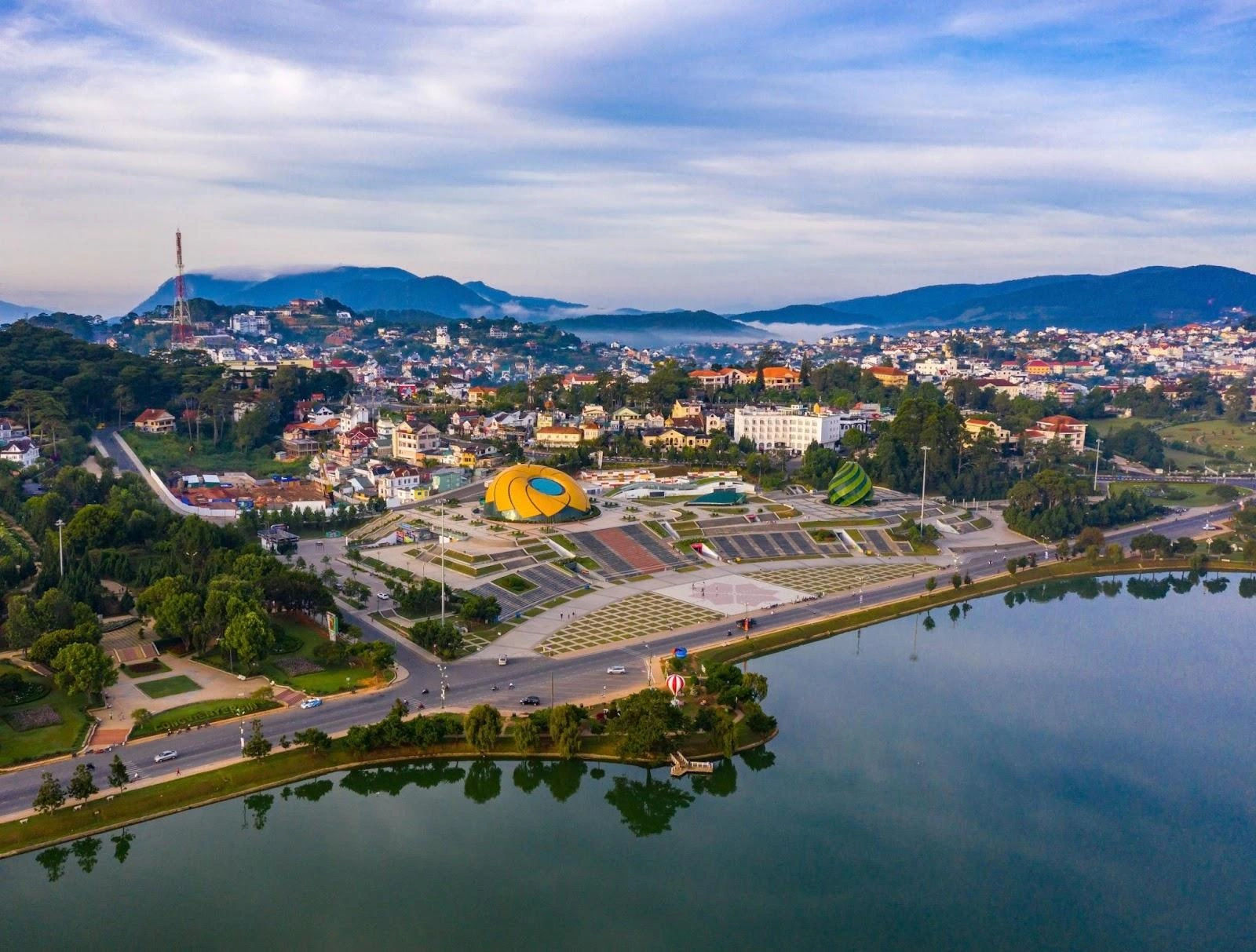
Peaceful Dalat in the cool highlands
2.3. Who This Journey Suits
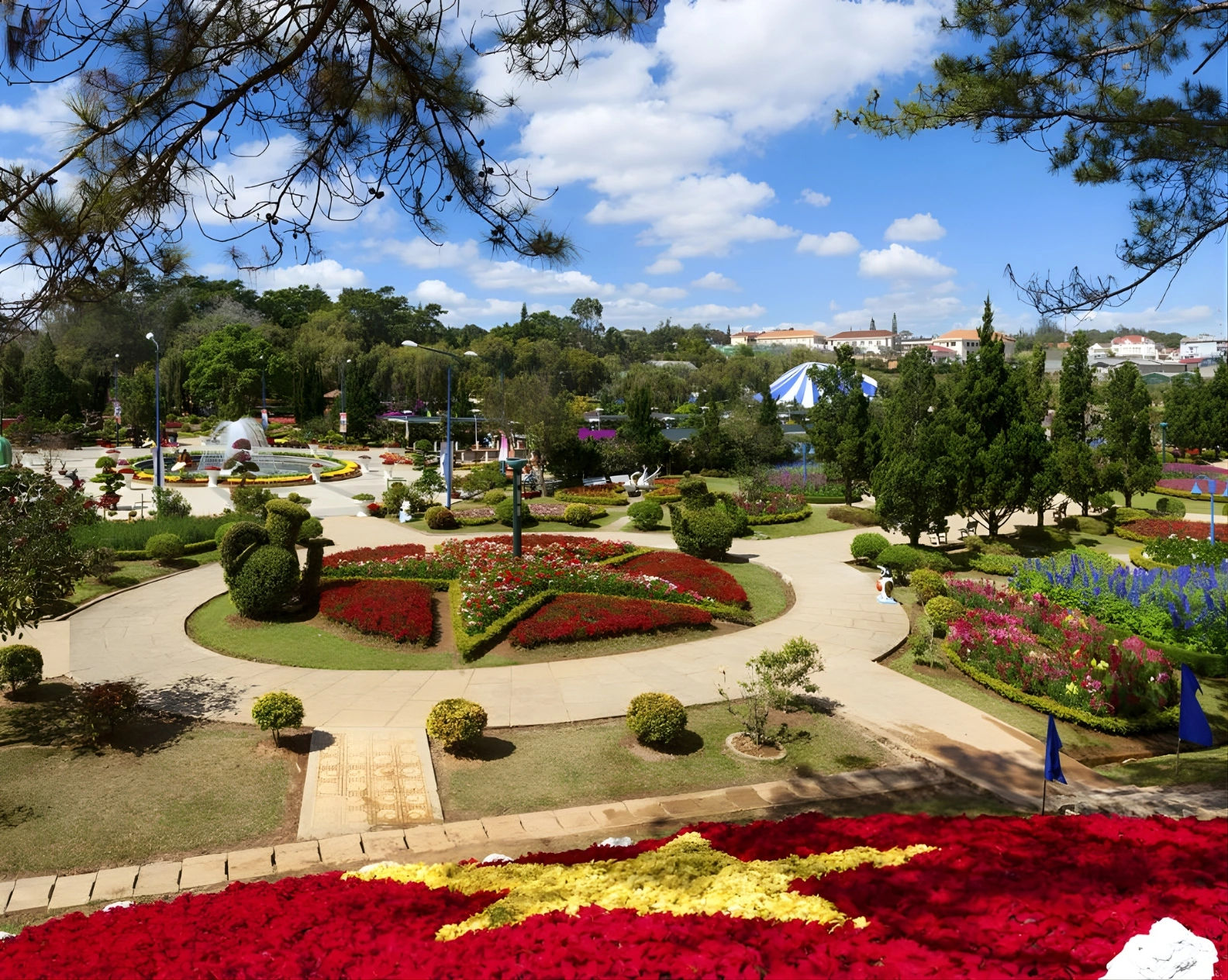
Made for travelers who value comfort, balance, and ease
The Saigon – Dalat route is well suited for travelers who value balance and comfort. It works particularly well for couples, first-time visitors to Vietnam, and those who prefer a relaxed itinerary without demanding physical activity.
The core value of this journey lies in its emotional ease. Rather than focusing on challenge or discovery, it emphasizes atmosphere, scenery, and moments of rest. Travelers are given space to slow down and absorb their surroundings without feeling rushed.
3. Hanoi – Sapa: Cultural Depth and Mountain Exploration
3.1. Hanoi: Cultural Heart of the North
Hanoi represents Vietnam’s historical and cultural foundation. The city retains layers of history through its old neighborhoods, lakes, colonial architecture, and daily rituals that continue alongside modern life. Walking through Hanoi offers insight into long-standing traditions and local rhythms.
For many travelers, Hanoi serves as an introduction to Vietnamese heritage. The city encourages observation, reflection, and curiosity, making it an ideal place for those interested in history and everyday culture.

Timeless Hanoi at Hoan Kiem Lake
3.2. Sapa: Mountains, Villages, and Landscape
Sapa is known for its dramatic mountain scenery and terraced rice fields, as well as its ethnic minority villages. Unlike destinations focused on comfort, Sapa centers on exploration and interaction with the landscape.
Activities often involve walking, trekking, and visiting villages, allowing travelers to experience rural life and local traditions firsthand. The environment feels raw and open, with changing scenery throughout the year that gives each visit a different character.
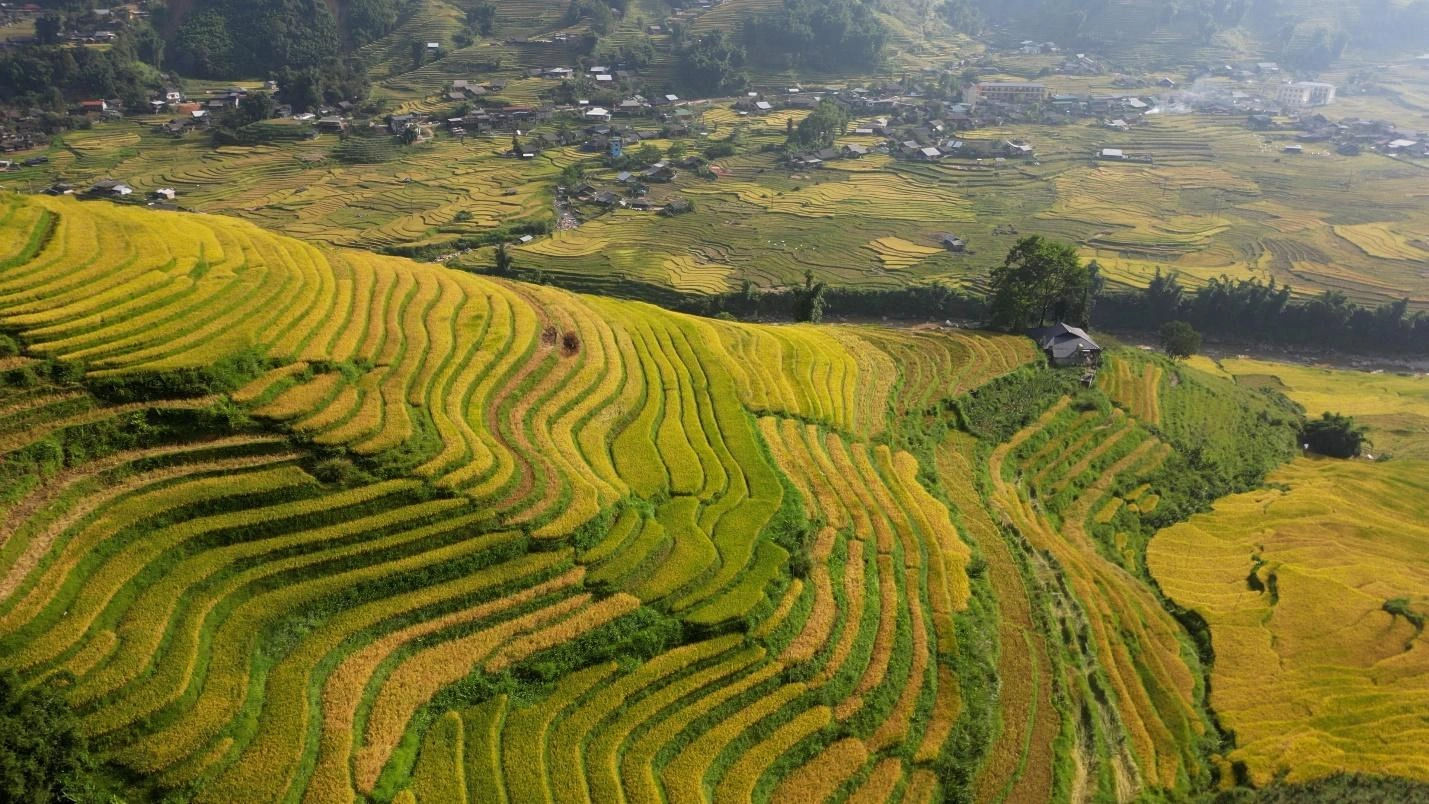
Sapa’s terraced fields in golden season
3.3 Who This Journey Suits
Hanoi – Sapa is best suited for travelers who enjoy movement, exploration, and cultural immersion. It appeals to those who are curious about local ways of life and comfortable with physical activity.
The value of this journey lies in depth rather than ease. Travelers gain strong visual impressions and emotional connections through shared experiences and challenging landscapes. However, it requires thoughtful planning and realistic expectations regarding weather, terrain, and travel time.
4. Comparing the Two Journeys Through Experience
4.1. Saigon – Dalat
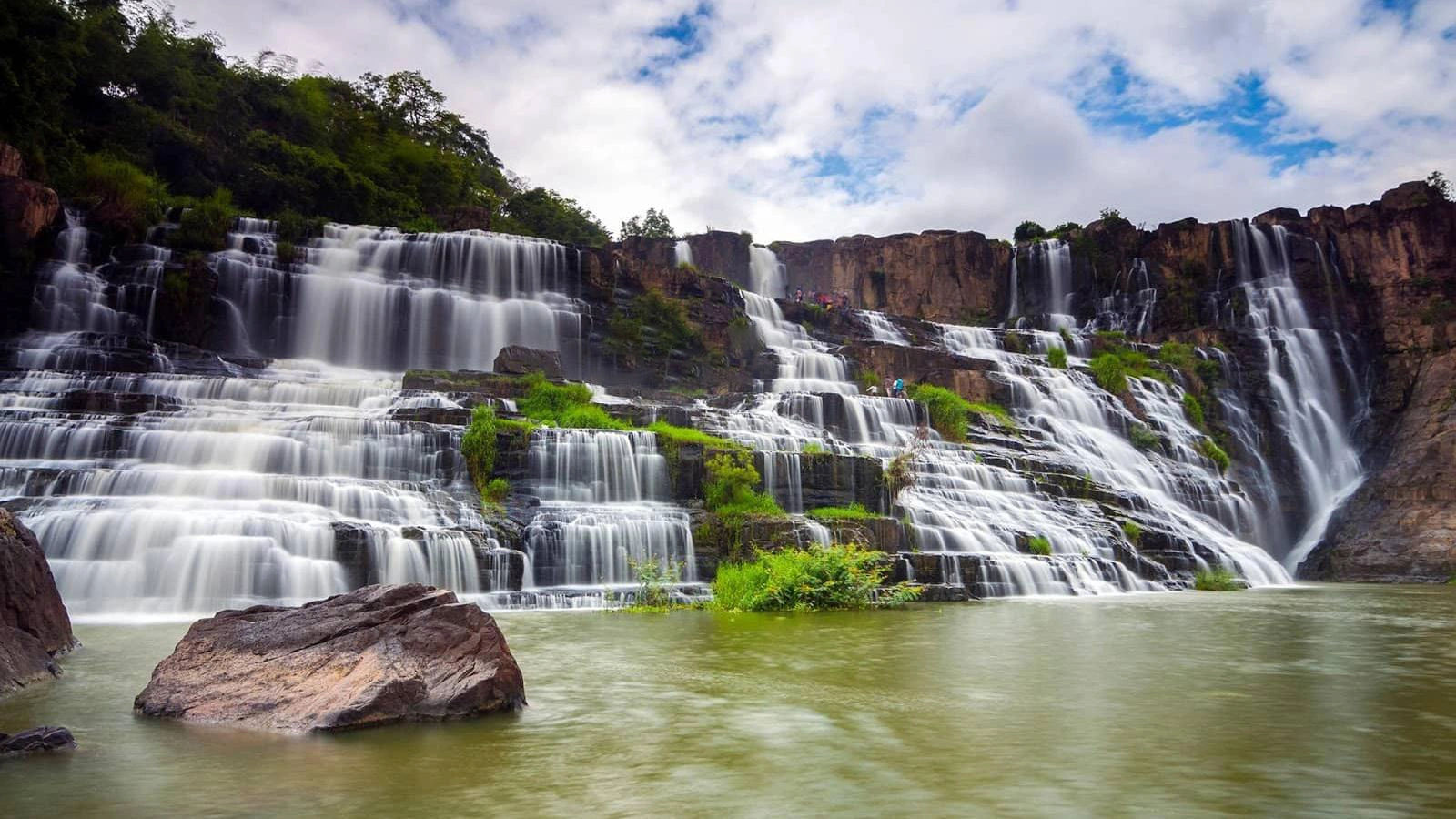
A relaxed transition into highland landscapes
The Saigon – Dalat route represents a travel style that leans toward balance and relaxation rather than exploration-driven intensity. The journey moves from a fast-paced urban environment to a calm highland setting, allowing travelers to gradually slow down without a sharp physical or emotional transition. This route suits those who enjoy observing local life, enjoying scenery, and spending time in cafés, gardens, and quiet natural spaces rather than actively seeking physical challenges.
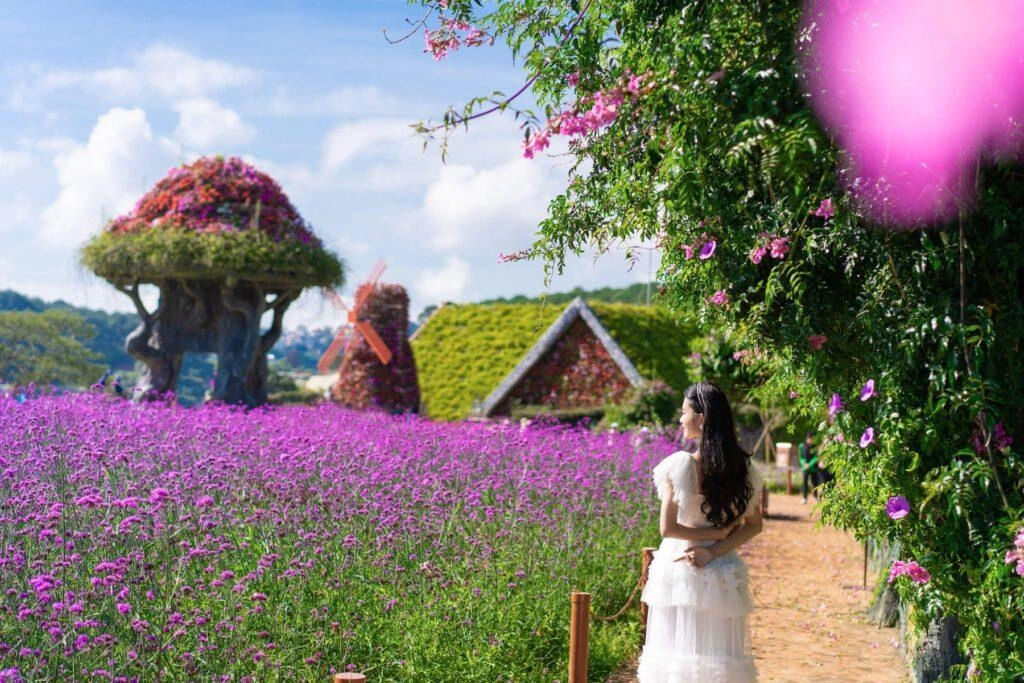
Saigon to Dalat, at a slower pace
In terms of activity level, Saigon – Dalat remains low to moderate throughout the trip. Activities are generally easy to manage and do not require strong physical endurance. Walking tours, sightseeing, scenic drives, and light outdoor activities dominate the itinerary. Emotionally, this route creates a sense of ease and comfort. The experience is often described as calming, romantic, or reflective, appealing to travelers who value atmosphere, mood, and a gentle travel rhythm over adventure or discovery.
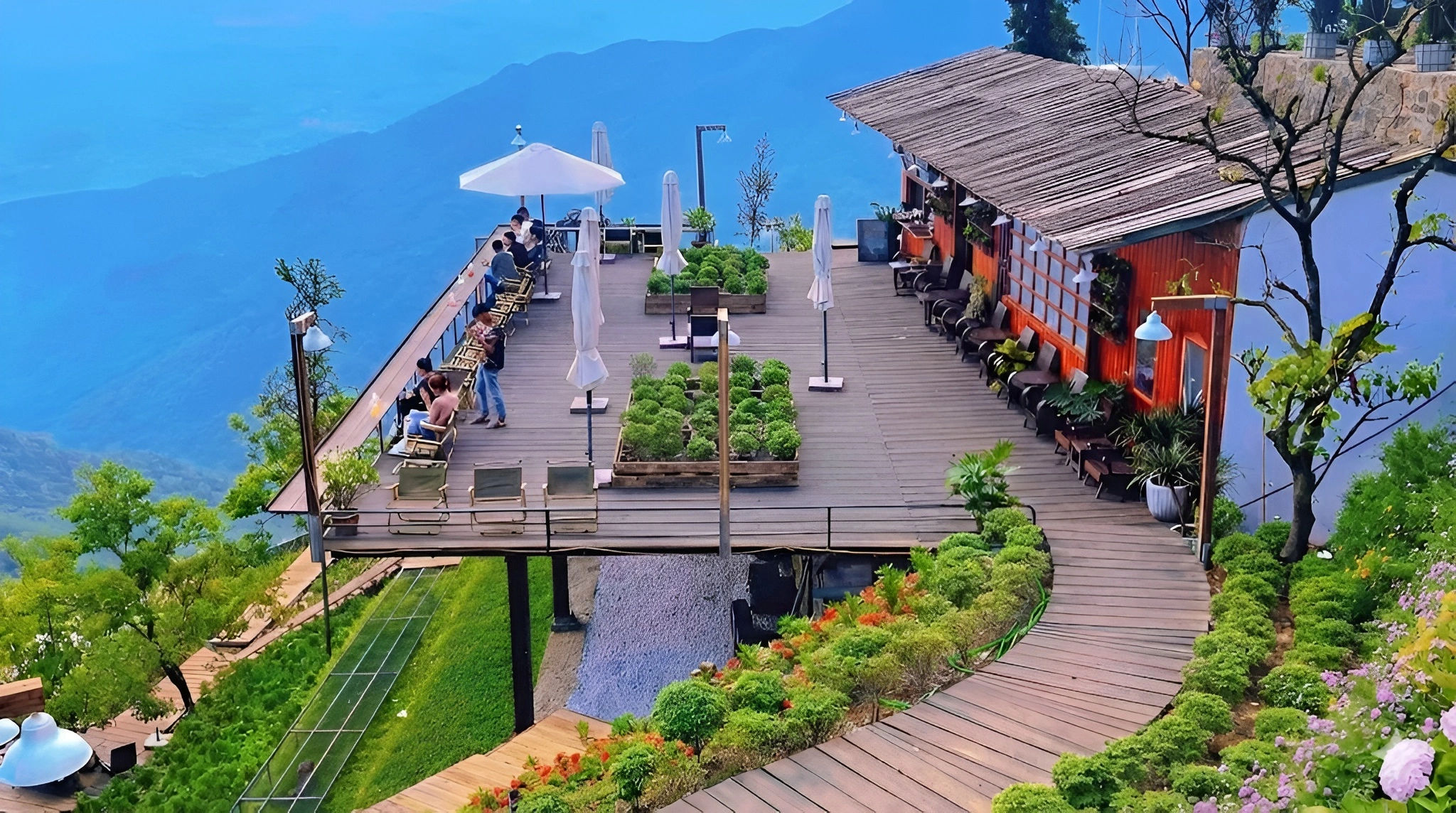
Coffee, views, and unhurried moments
4.2. Hanoi – Sapa
Hanoi – Sapa offers a distinctly different travel style, shaped by contrast between cultural depth and rugged natural landscapes. The transition from the historic capital to a mountainous region introduces a stronger sense of movement and exploration. This route attracts travelers who enjoy immersion, cultural observation, and direct engagement with landscapes and local communities rather than passive sightseeing.
The activity level on this route is moderate to high, especially in Sapa, where walking, trekking, and frequent elevation changes are common. Travelers are often required to adapt to changing terrain, weather conditions, and longer travel times. Emotionally, Hanoi – Sapa delivers a sense of discovery and personal engagement. The experience emphasizes connection with place, people, and nature, often leaving a stronger impression through effort and exploration. Rather than comfort or relaxation, the emotional value lies in authenticity, challenge, and memorable encounters with both landscape and culture.
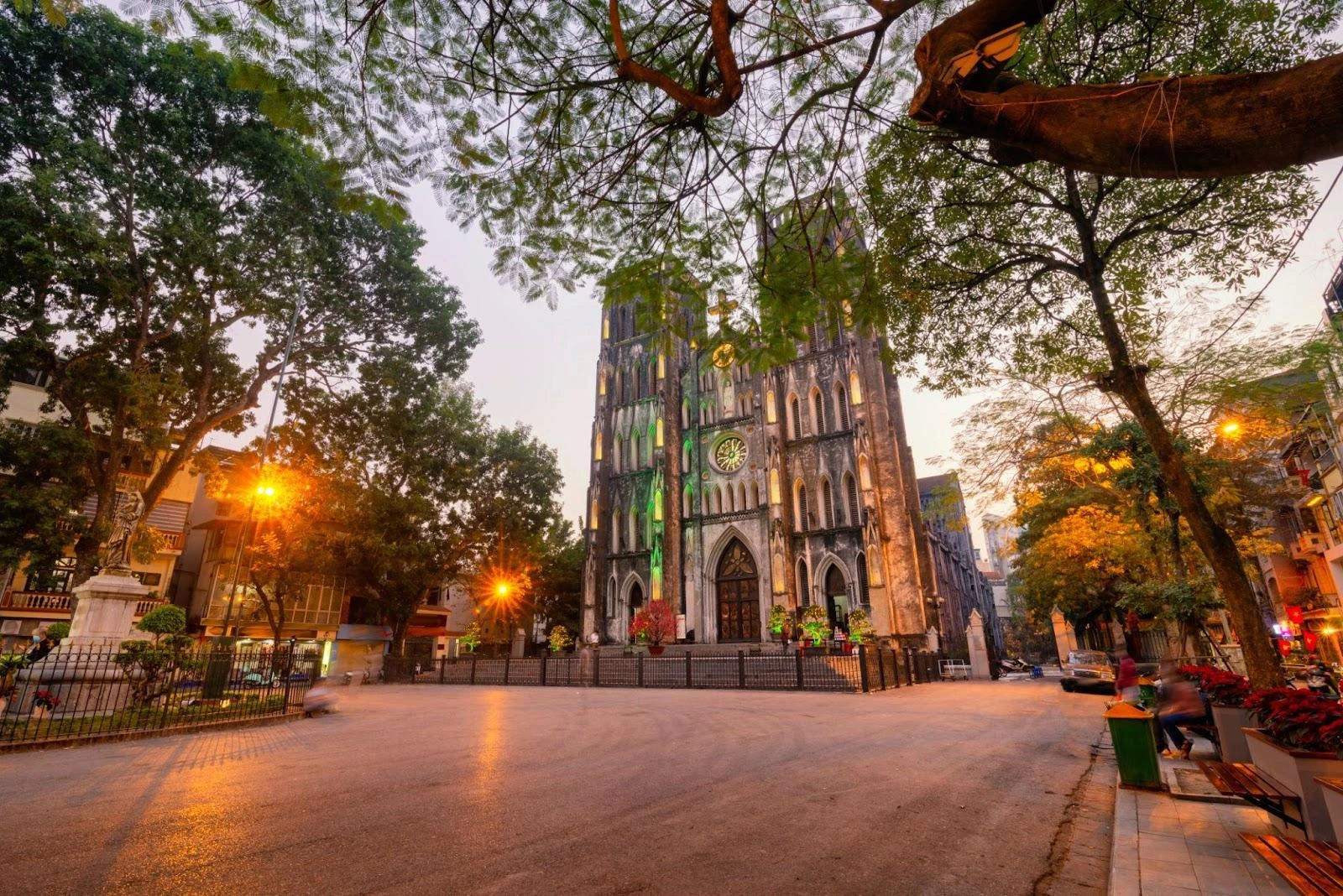
The timeless presence of Hanoi Cathedral
5. Frequently Asked Questions
1. Are these routes suitable for first-time visitors to Vietnam?
Yes, both are suitable, though Saigon – Dalat is generally easier for beginners.
2. Which route works better for a short trip of four to five days?
Saigon – Dalat is more manageable due to shorter travel times.
3. Is Hanoi – Sapa suitable for older travelers?
It can be, provided activities are adjusted and trekking is limited.
4. Which journey offers a more cultural experience?
Hanoi – Sapa provides deeper cultural immersion.
5. Does Sapa depend heavily on weather conditions?
Yes, weather can significantly affect visibility and trekking conditions.
6. Can both routes be combined in one trip?
They can, but this suits travelers with more time and energy.
7. Which destination is better for photography?
Both offer strong visuals, though Sapa stands out for dramatic landscapes.
8. Is Dalat suitable for a romantic getaway?
Yes, its atmosphere is calm and intimate.
9. Which route involves more physical activity?
Hanoi – Sapa generally requires more movement and stamina.
10. Which journey feels more relaxed overall?
Saigon – Dalat offers a gentler and more restful experience.
New Posts