


See all results for ""

 Anytime
 Tiếng ViệtEnglish
 日本語
日本語 한국어
한국어 简体中文
简体中文 Français
 Deutsch
 Español
 Italiano
 Русский


 Login for Corporates
Affordable travel to India: Detailed and Attractive Itinerary Suggestions
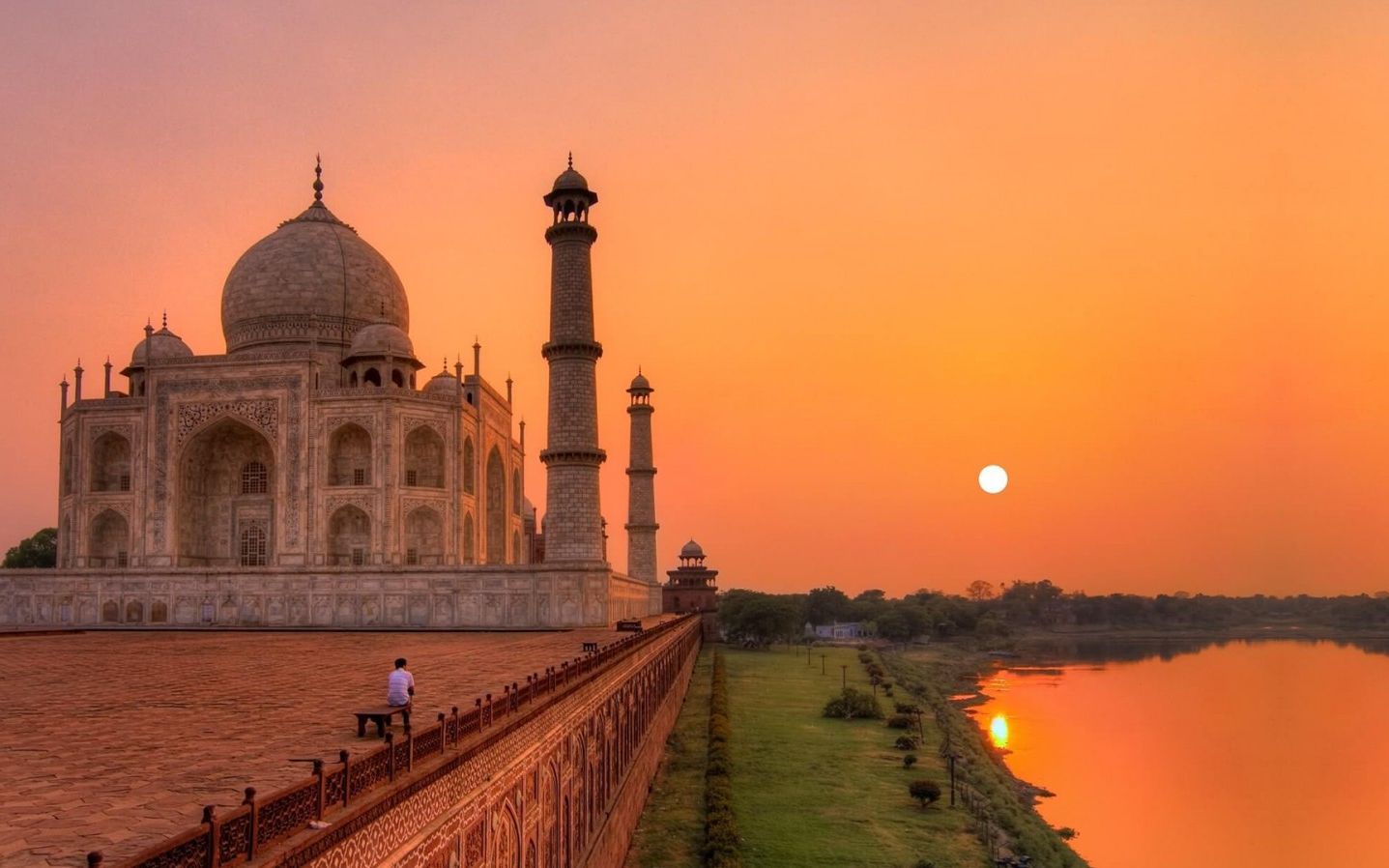
India – a land of vibrant colors, ancient architecture, and striking cultural contrasts – has long been a destination that both fascinates and intimidates travelers. However, with careful preparation and smart planning, independent travel in India can be safe, budget-friendly, and incredibly rewarding. This guide shares practical tips to help you optimize costs, choose the right transportation, and experience India in the most meaningful and fulfilling way.
1. Safe & Budget-Friendly Independent Travel Experience in India
For many people, India is a “challenging” destination. However, those who have traveled there or watched videos from travel bloggers such as Ke Du Muc or Khoai Lang Thang know that this is truly a once-in-a-lifetime journey. India is not only about the Taj Mahal or its ancient temples, but a vibrant world where culture, religion, and daily life intertwine so powerfully that visitors cannot help but reflect.
What is remarkable is that budget travel to India or independent travel in India is entirely feasible. Food, domestic transportation, and accommodation costs are significantly lower than in Europe or East Asia, while the experiential value is immense. With thorough preparation, safe transportation choices, and a well-structured itinerary, a trip to India can be not only “affordable” but truly worthwhile.
India is not a place to rush through, but a destination to slow down, observe, and broaden your perspective. That is why many travelers admit after returning: the cost of traveling to India is absolutely worth what they gain.
2. Flights to India – Tips for Finding Affordable Fares
2.1. Direct Flights or Layovers – Which Option Is More Cost-Effective?
A common principle when searching for flight tickets to India is: layover flights are often cheaper than direct flights, but at the expense of time and convenience.
For example, on the Ho Chi Minh City – New Delhi route, direct flights by Vietnam Airlines or Air India are typically priced higher, while connecting flights via Singapore, Bangkok, Kuala Lumpur, or Hong Kong with airlines such as Singapore Airlines, THAI Airways, Malaysia Airlines, Cathay Pacific, or Emirates are considerably more affordable.
However, layovers also come with drawbacks, such as long transit times, the risk of missed connections if schedules are tight, and the need to navigate transfer airports independently. For first-time travelers, families with children, or elderly passengers, direct flights remain the safer and more comfortable choice. On the other hand, young independent travelers may prioritize layovers for more budget-friendly travel to India.
Travelers can quickly compare flight options, airlines, and prices in the flight tickets section to India on Tatinta to choose the most suitable itinerary.
2.2. When to Book for the Best Prices?
India has three main seasons that clearly affect airfare prices:
March–June: Summer, hot weather, fewer international visitors → lower airfare and service prices
July–September: Monsoon season, heavy rain in some regions → low fares, fewer crowds
October–February: Cool season, peak travel time → higher fares, especially during Diwali Festival and year-end holidays
For those prioritizing budget travel experience in India, the ideal time is April–June or September. Booking 2–4 months in advance provides better options and pricing.
3. Budget Transportation in India
3.1. Trains – A Cost-Effective Option for Long Distances
India’s railway system (Indian Railways) is one of the largest in the world, connecting major cities such as Delhi, Agra, Jaipur, Varanasi, Mumbai, and Kolkata. Trains are affordable and highly suitable for long-distance journeys.
Popular routes such as Delhi – Agra take about 2–3 hours, while Delhi – Jaipur takes around 4–5 hours depending on the train type. Travelers should opt for air-conditioned classes such as AC Chair Car, AC 2-tier, or AC 3-tier for better safety and comfort.
Tickets can be booked online via the official Indian Railways website or intermediary platforms, but early booking is recommended as seats sell out quickly. For short or last-minute trips, buying tickets at the station is still possible, though it requires queuing and basic English communication.
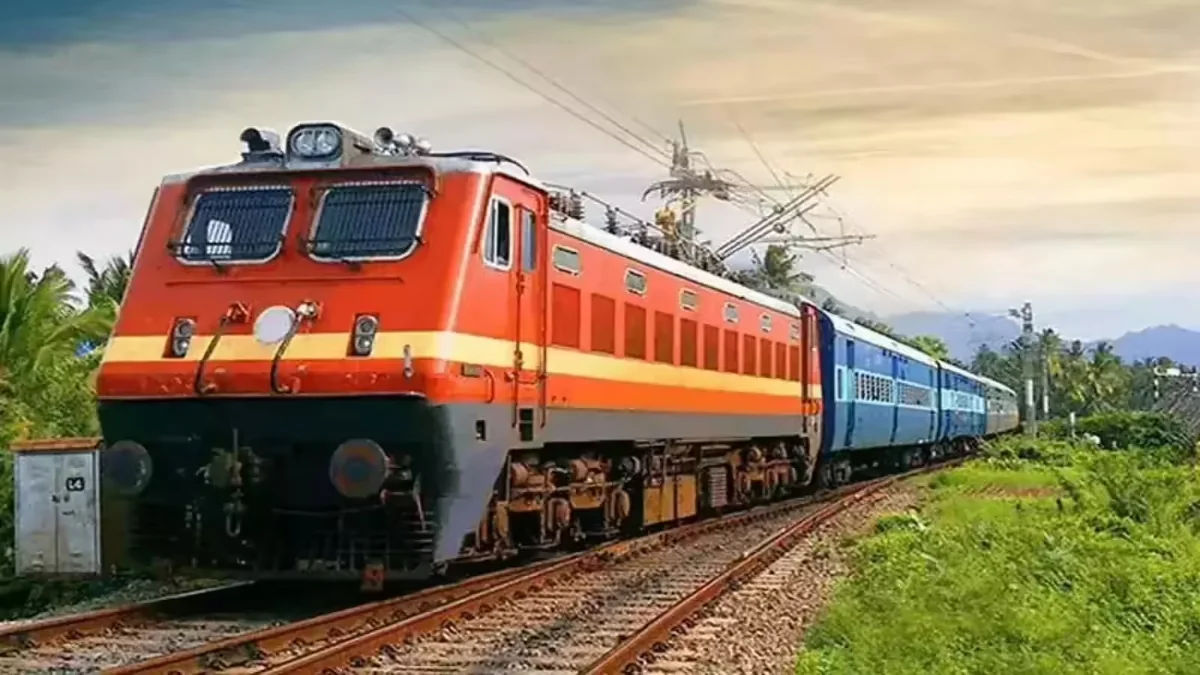
Trains in India are also one of the most optimal long-distance options
3.2. Buses – Affordable & Widely Available Across Tourist Destinations
Buses in India are very common, including both regular and air-conditioned (AC bus) options. AC buses are slightly more expensive but significantly cleaner and more comfortable, comparable to long-distance buses in Thailand or Malaysia.
Buses are suitable for medium-distance travel between nearby cities. Tickets for popular routes can be booked online, while in smaller towns, purchasing directly at the bus station is often more convenient. Female travelers or elderly passengers should avoid overnight buses or non-AC buses.
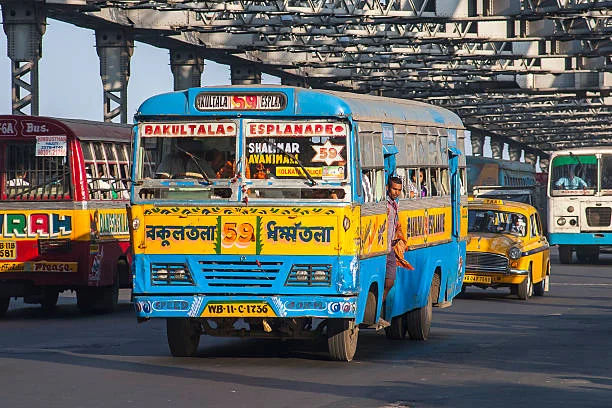
City buses in India usually do not have air conditioning
4. Budget Accommodation in India

An affordable Airbnb in India
Accommodation in India is highly diverse, ranging from hostels and guesthouses to 3–5 star hotels. Three-star hotels are generally reasonably priced, clean, air-conditioned, and located near tourist centers such as Paharganj (Delhi) or close to major attractions.
Unlike many European countries, many Indian hotels provide handheld bidet sprays in restrooms, which suit Asian travelers’ habits. However, service quality varies, so it is advisable to book through reputable platforms, read reviews carefully, and avoid accepting direct street offers to prevent scams.
Regarding dining, hotels from 3 stars and above or international chains generally ensure hygiene standards. If staying at a homestay with local residents, you may ask them to cook for you—this is a safe option and offers deeper cultural immersion, as long as you clearly communicate your taste preferences and spice tolerance.
5. Budget Dining in India
Indian cuisine is renowned for its bold spices, abundant vegetarian dishes, and dairy products such as yogurt and ghee. Although many Indians are vegetarian, they remain healthy thanks to a balanced diet rich in plant-based protein.
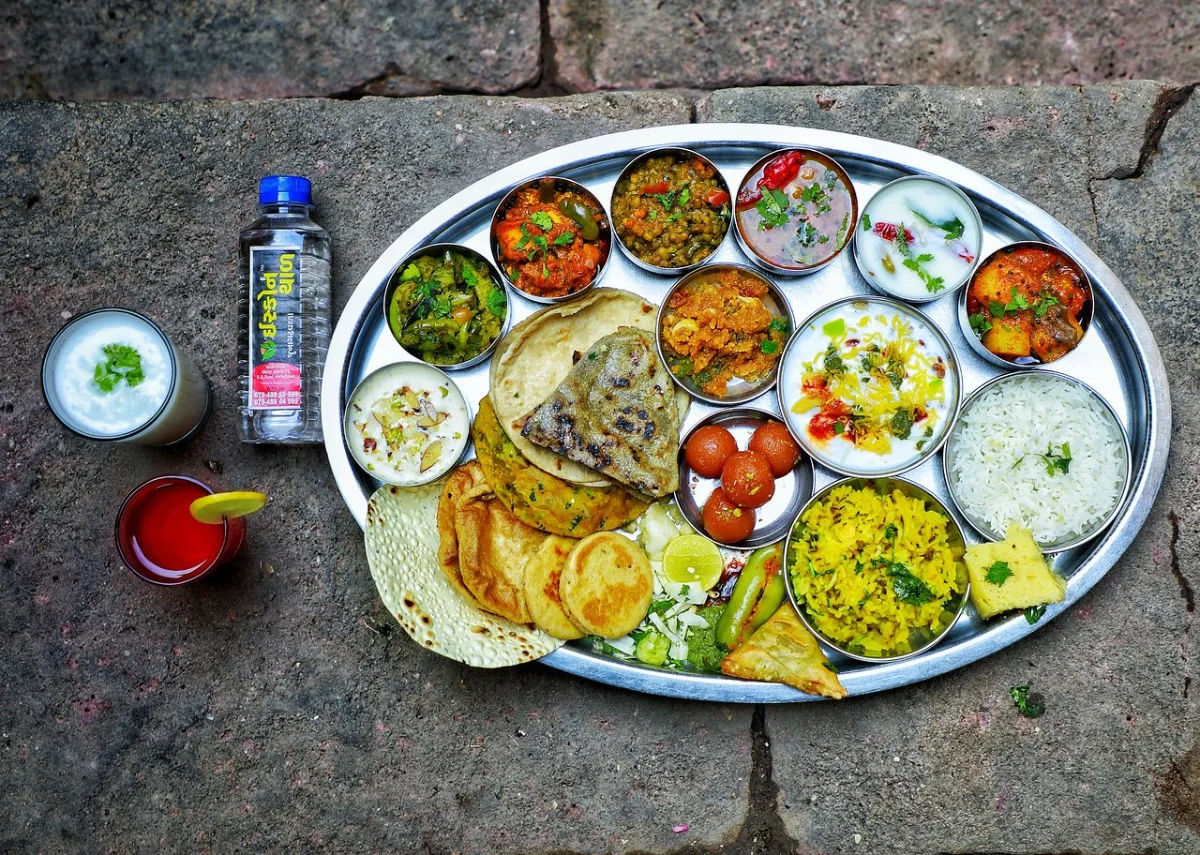
Traditional “Thali” platter with a full selection of Indian dishes
Popular dishes include Thali (a traditional platter with rice, bread, lentils, curry, and yogurt), Biryani (spiced rice with chicken or lamb), Masala Dosa (rice crepe served with spicy potatoes), Butter Chicken (creamy tomato-based chicken), and Chaat—a distinctive tangy and spicy street snack.
Indian flavors are often spicy and aromatic. Travelers should request reduced spice levels when ordering. A casual meal is quite affordable and suitable for budget travel to India, but it is best to choose busy eateries, restaurants, or dine at your accommodation to avoid digestive issues.
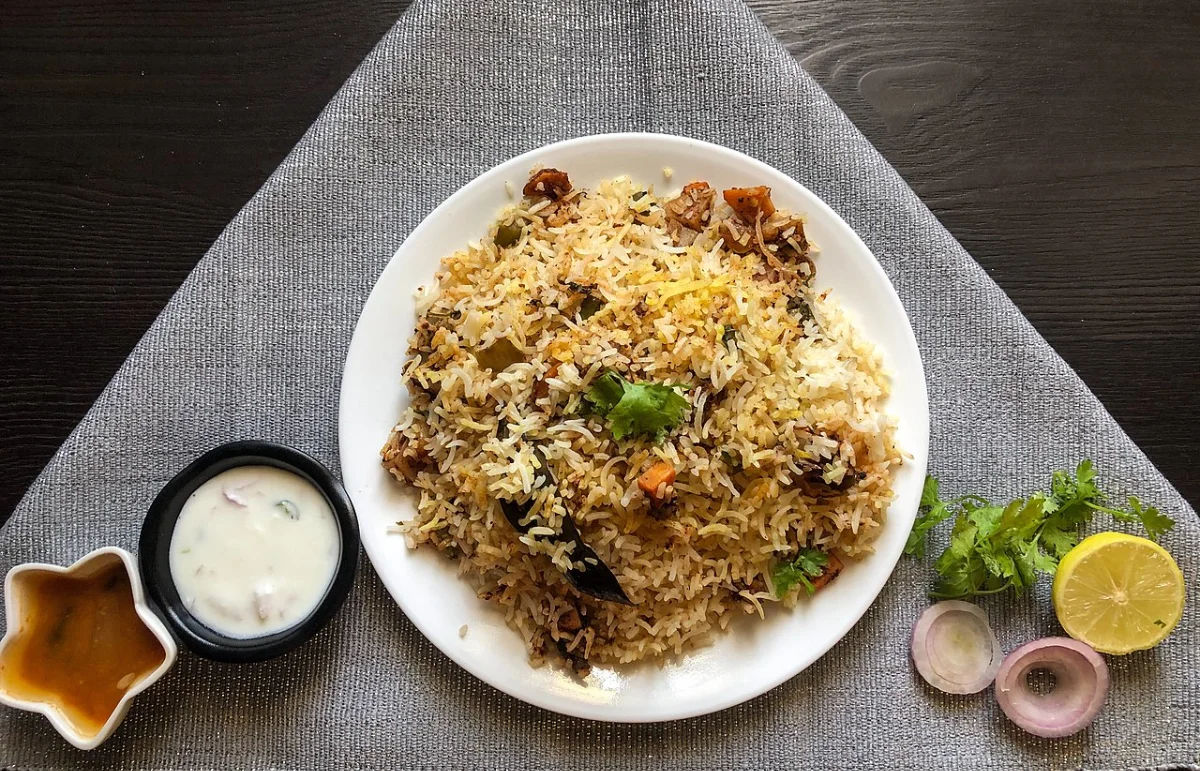
Biryani is spiced rice often served with lamb or chicken
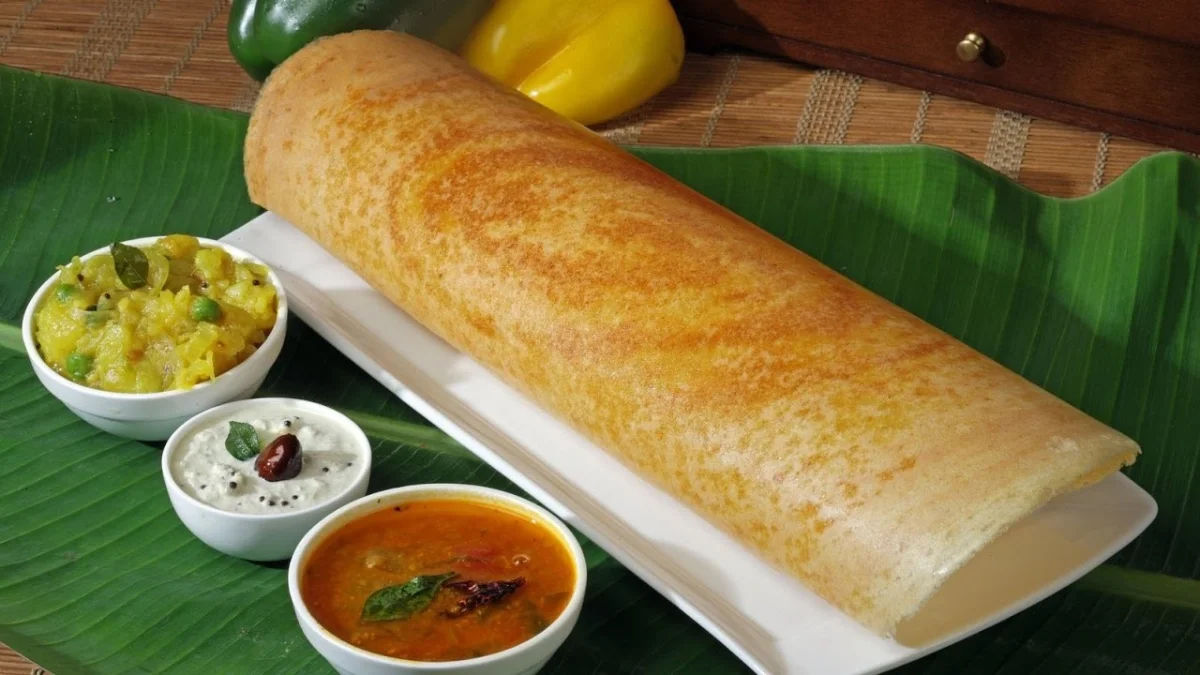
Masala Dosa with a crispy shell served with spicy sauces or potatoes
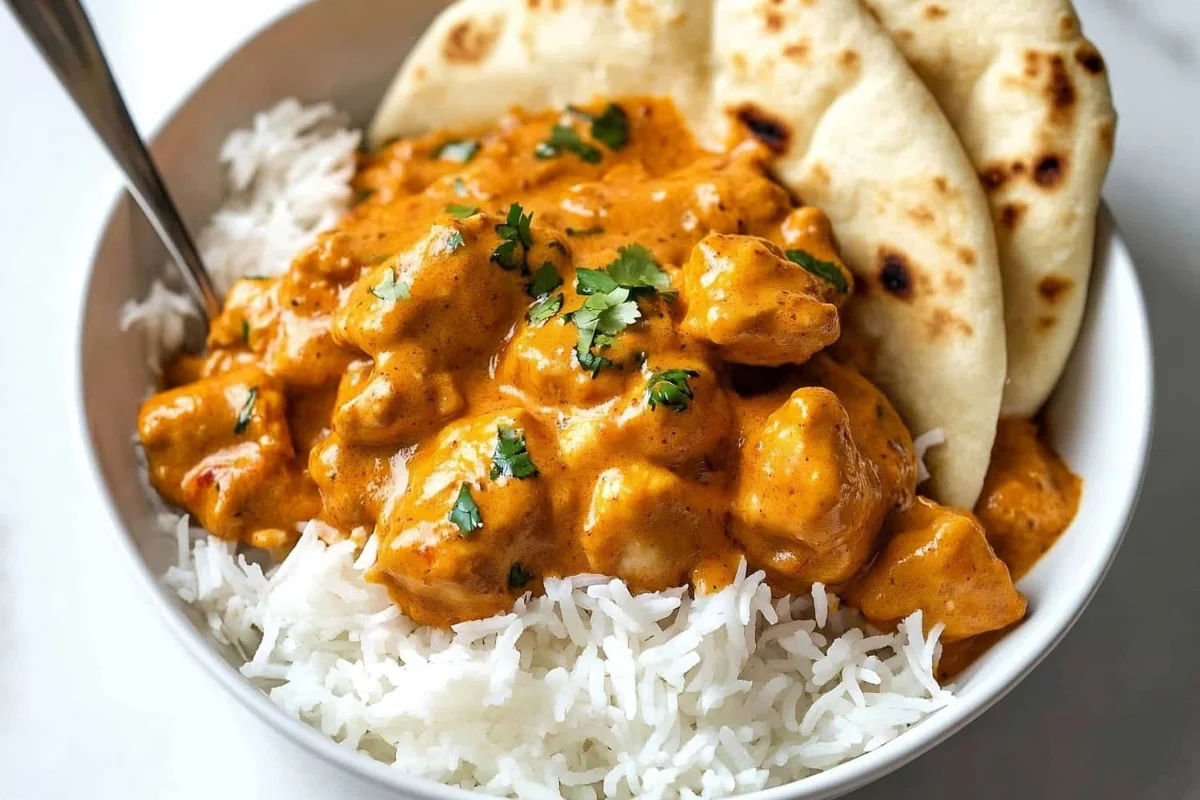
Butter Chicken has a rich flavor from butter and yogurt with mild spice

Chaat is a snack made from fried dough or various types of legumes depending on the variation
6. Free & Low-Cost Attractions
India boasts many iconic destinations such as Taj Mahal (Agra), Varanasi—the sacred city along the Ganges River, Jaipur with its ancient palaces, and Old Delhi with historic temples and neighborhoods. Additionally, parks, public squares, and old quarters can often be visited free of charge or with very low entrance fees.
For major historical sites or crowded areas, hiring a local tour guide is worth considering. A guide helps you better understand the history and religion, avoid sensitive areas, and ensure safety. When choosing a guide, prioritize those with positive reviews, English communication skills, and clearly agreed fees in advance.
7. FAQ – Frequently Asked Questions About Traveling to India
Q: How much does a trip to India cost?
A: Costs are relatively low compared to the experience, especially if traveling independently and using public transportation.
Q: Is traveling to India worth the money?
A: Absolutely, especially for those who love cultural immersion and in-depth local exploration.
Q: When is the cheapest time to visit India?
A: April–June and September are the most budget-friendly periods.
Q: Is it safe to travel to India alone?
A: Yes, but choose major cities and prepare carefully for safety.
Q: What should women keep in mind when traveling to India?
A: Dress modestly, avoid going out alone at night, and prioritize app-based transportation services.
Q: Should I bring medications?
A: It is advisable to bring digestive medicine, rehydration salts, and stomach relief medication.
Q: Is food in India difficult to adapt to?
A: The spices are strong; try gradually and start with familiar dishes.
Q: Should I hire a tour guide?
A: Hiring a guide at major historical sites is recommended for better understanding and safety.
Q: Are trains in India safe?
A: Yes, if you choose air-conditioned classes and book in advance.
Q: Where should first-time visitors stay in India?
A: A 3-star hotel near tourist centers offers the best balance.
New Posts