


See all results for ""

 Anytime
 Tiếng ViệtEnglish
 日本語
日本語 한국어
한국어 简体中文
简体中文 Français
 Deutsch
 Español
 Italiano
 Русский


 Login for Corporates
Diwali Festival – India’s Most Radiant Festival of Lights
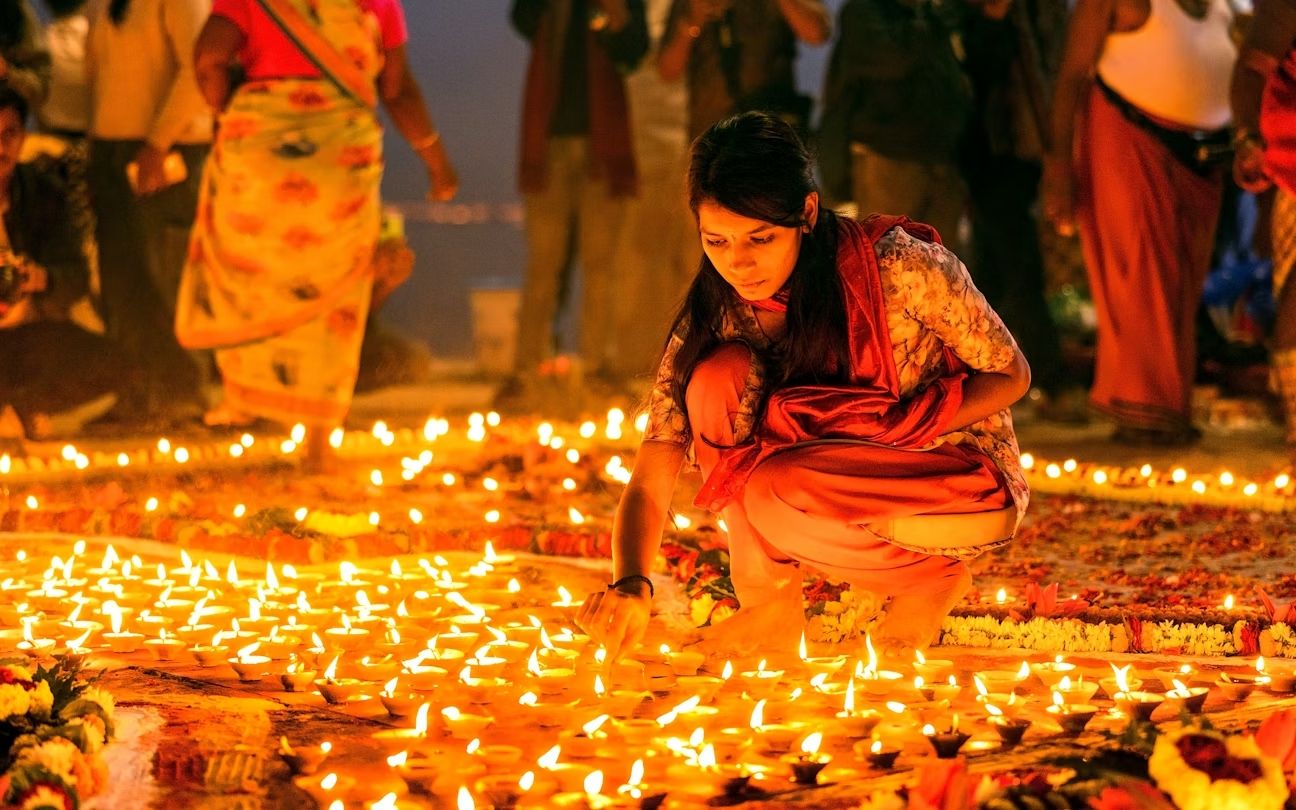
Diwali, also known as the Festival of Lights, is one of the most vibrant and significant cultural and religious events in India. Each year, Diwali attracts millions of participants with its sacred rituals, spaces filled with glowing diyas, and a warm atmosphere of family reunions. From its historical origins and spiritual significance to the way locals celebrate across the five-day period, Diwali offers travelers a profound insight into the colorful tapestry of Hindu culture.
1. The History of the Diwali Festival
Diwali, or Deepavali, stands as one of India's largest and most sacred festivals. This celebration originates from ancient Hindu legends, the most popular being the story of Lord Rama’s victory over the demon king Ravana and his return to Ayodhya after fourteen years of exile. The citizens lit oil lamps to welcome him, creating the imagery of the “festival of lights” that persists to this day. In other regions, Diwali is closely associated with Goddess Lakshmi – the symbol of prosperity and good fortune. Consequently, Diwali carries both religious significance and serves as an occasion for the community to focus on faith, peace, and solidarity.
.jpg)
Signature Diwali celebrations in India
2. Timing of the Diwali Festival
The Diwali Festival typically falls in October or November each year, depending on the Hindu lunar calendar. The main celebration occurs on the new moon day of the month of Kartika – considered the holiest time to light millions of lamps and perform the puja for Goddess Lakshmi.
Diwali spans 5 consecutive days, including:
Day 1 – Dhanteras: The commencement, where people purchase gold, silver, and new utensils—especially metal items—with the belief it invites prosperity.Day 2 – Naraka Chaturdashi (Choti Diwali): Locals clean and decorate their homes, begin drawing rangolis, and light the first ritual lamps.Day 3 – Lakshmi Puja: The main festival day, when the entire city glows with diyas, the puja for Goddess Lakshmi is performed, and the sky is filled with brilliant fireworks.Day 4 – Govardhan Puja: Families prepare vegetarian feasts to offer to Lord Krishna and share food with the community.Day 5 – Bhai Dooj: A day dedicated to family bonds, particularly the connection between brothers and sisters, concluding the festival in a warm atmosphere.
For travelers, the third day is usually the most vibrant and highly anticipated time. However, if possible, you should experience the full 5 days to feel the atmospheric shift – from shopping and preparation to the explosion of light and the final focus on family ties.
.jpg)
Key highlights of the Diwali festival in India
3. Significance and Traditions of the Diwali Festival
3.1. What is the significance of the Diwali Festival of Lights?
Diwali serves as a symbol of light's victory over darkness and good over evil. It is also an occasion for people to look toward a new beginning, much like the Hindu New Year, with hopes for a peaceful and prosperous year ahead. Furthermore, the festival emphasizes family and community bonding; it is a time when people exchange gifts, well-wishes, and engage in charitable activities to share with those in need.
.jpg)
Colorful activities during the Diwali festival
3.2. How is Diwali celebrated?
The Diwali festival spans 5 days, with each day carrying a distinct meaning and set of activities, creating an atmosphere that is both sacred and exhilarating across India.
The first day, Dhanteras, is typically dedicated to shopping for gold, silver, new appliances, or metal items. Residents believe that purchasing on this day will bring luck and wealth for the entire year. This is also when markets become most bustling, filled with the colors and sounds of the celebration.
The second day is Naraka Chaturdashi (also known as Choti Diwali). In the morning, people often bathe with herbal water to cleanse themselves of misfortune. By evening, many families begin decorating their homes with rangoli – colorful patterns made from rice flour or fresh flowers – alongside the lighting of the first oil lamps.
The third day, Lakshmi Puja, is the grandest night of all. This is when every home shines bright with dozens or even hundreds of diyas placed on porches, rooftops, or along the streets. Families perform rituals for Goddess Lakshmi to pray for wealth, luck, and prosperity. In the sky, fireworks burst brilliantly, while on the streets, parades and folk fairs create an incredibly lively space.
The fourth day is Govardhan Puja, where many places hold ceremonies to honor Lord Krishna. Some regions prepare vegetarian banquets with dozens of traditional dishes to offer and share with the community.
The final day is Bhai Dooj, dedicated specifically to family affection. This is the occasion for sisters to pray for their brothers’ well-being, while brothers give gifts or promise to protect their sisters. The day carries a deeply connective and warm tone, closing the Diwali festival with love and reunion.
Beyond the primary 5-day activities, tourists visiting India during Diwali can participate in unique experiences such as learning to make rangoli with local families, savoring traditional sweets like ladoo, barfi, and jalebi, or strolling through illuminated neighborhoods in Delhi, Mumbai, or Jaipur. Each experience provides a unique cultural facet, helping travelers understand why Diwali is truly called the “Festival of Lights.”
.jpg)
The significance of various Diwali activities
4. Essential Tips for Participating in Diwali
To ensure a complete experience, travelers should prepare thoroughly before their journey. As this is peak season, booking flights and hotels should be done well in advance to avoid overcapacity. When attending, you may choose to wear traditional attire such as a sari, salwar kameez, or kurta to respect local culture and immerse yourself in the festive spirit. While admiring fireworks, maintain a safe distance and avoid crowds in highly congested areas to protect yourself and your personal belongings. Furthermore, do not miss the chance to experience the culture by trying your hand at rangoli, tasting traditional sweets, or lighting oil lamps with a local family. These will be special and unforgettable moments in your journey to discover India.
.jpg)
Vibrant attire during the Diwali festival
5. FAQs about the Diwali Festival
1. In which month does the Diwali festival take place? Diwali usually falls in October or November, depending on the Hindu calendar. The specific dates change every year but the celebration always lasts for 5 consecutive days.
2. Where is Diwali celebrated in India? Diwali is celebrated almost everywhere across India, from major cities like Delhi, Mumbai, and Jaipur to small towns. However, the most prominent destinations remain the large urban centers where the atmosphere is more vibrant and large-scale.
3. Can tourists participate in Diwali? Yes. International tourists are always welcome during the festival. You can join public activities such as watching fireworks, viewing parades, shopping at night markets, or trying rangoli decoration with locals.
4. What attire is suitable for attending Diwali? It is recommended to wear traditional Indian clothing like a sari, salwar kameez, or kurta. If unavailable, you can choose bright, polite, and comfortable clothing to blend in easily.
5. Is it necessary to prepare a gift when attending Diwali with local residents? It is highly recommended to bring a small gift such as sweets, fruit, or a box of chocolates. This demonstrates cultural respect and creates a positive impression with your hosts.
6. Is Diwali similar to the Lunar New Year (Tet) in Vietnam? To some extent, yes. Diwali is considered a new year commencement according to the Hindu calendar and is a time for family reunions, gift-giving, and praying for luck—similar to the spirit of Tet in Vietnam.
7. What are the signature dishes during the Diwali season? People often make various sweets like ladoo, barfi, and jalebi, along with many spicy, crispy fried dishes. This is an ideal occasion to explore India's diverse traditional cuisine.
8. Are fireworks during Diwali safe? Fireworks are an integral part but can sometimes cause crowding or smoke. Travelers should stand in safe areas, avoid being too close to launch sites, and always protect their eyes and ears.
9. When should I book tickets to India for the Diwali season? You should book flights and hotels at least 2–3 months before the festival, as this is a peak travel season with very high demand.
10. Besides India, where else is Diwali celebrated? Diwali is also celebrated in many countries with significant Indian communities, such as Nepal, Sri Lanka, Singapore, Malaysia, Fiji, Mauritius, and even in the UK and USA.
New Posts