


""에 대한 모든 결과 보기

 언제든지
언제든지 
 Tiếng Việt
 English한국어
 日本語
日本語 简体中文
简体中文 Français
 Deutsch
 Español
 Italiano
 Русский


 기업 로그인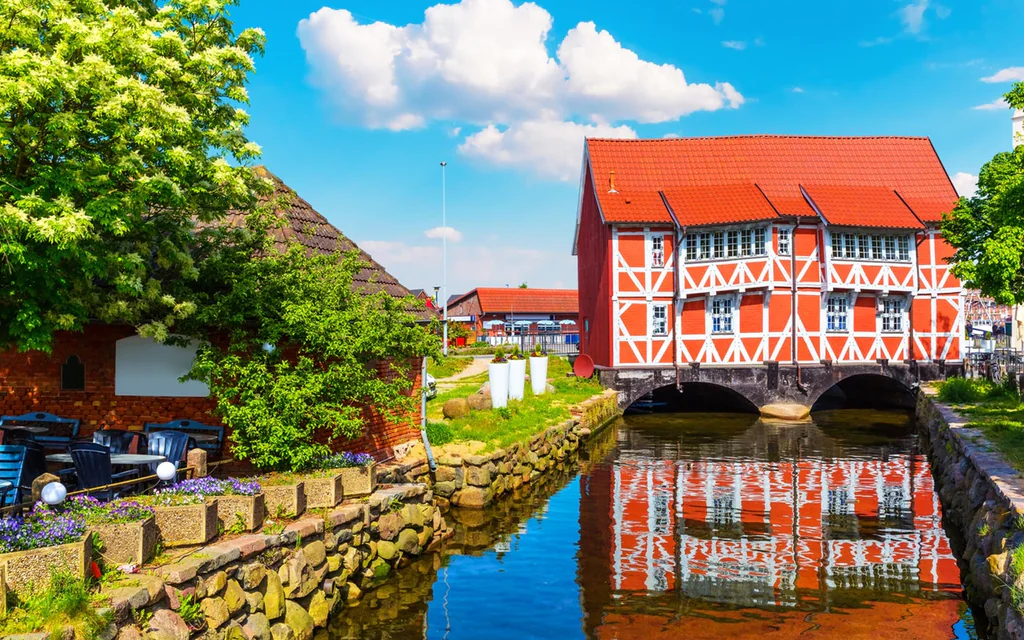
Wismar
 Am Markt 1, 23966 Wismar, Germany
“Follow in the footsteps of Nosferatu: this ancient town in northern Germany, on the Baltic Sea, famous for its medieval buildings listed as a UNESCO World Heritage Site”
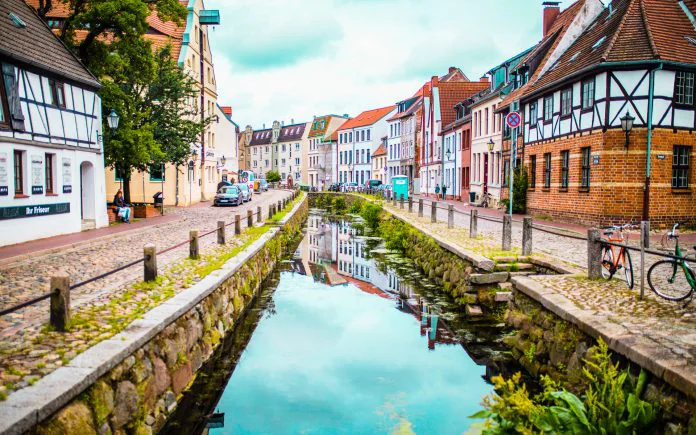
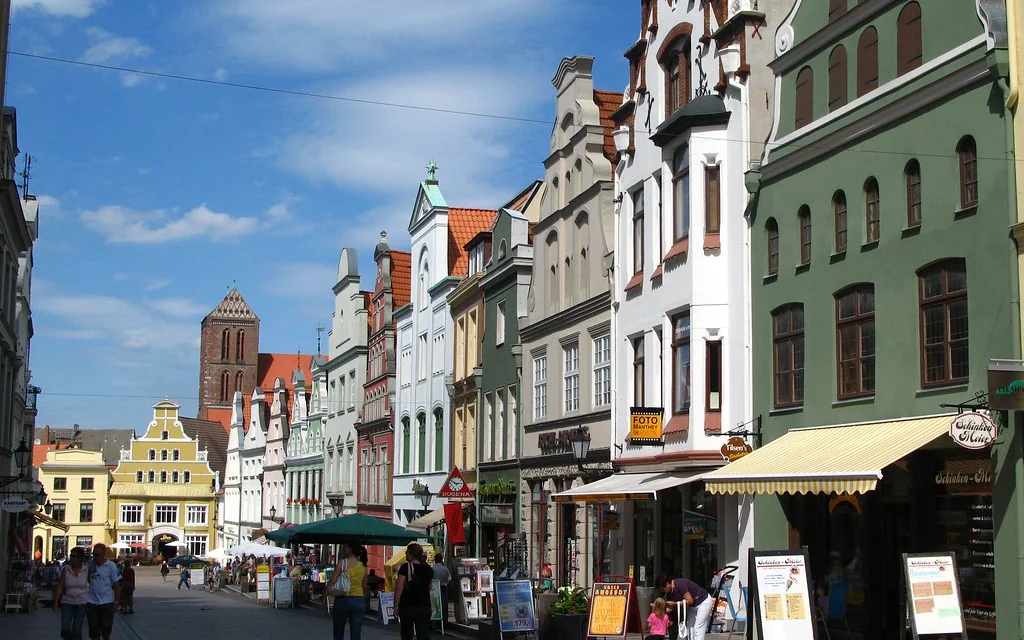
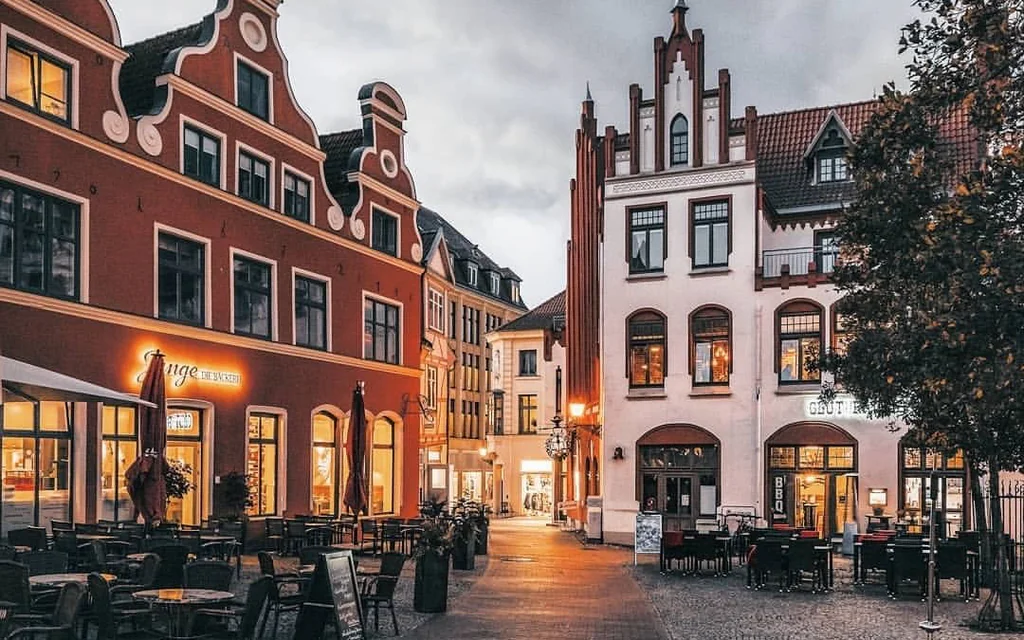
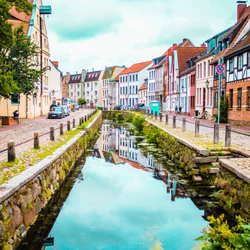
Wismar is a city in northern Germany, on the Baltic Sea, known for its well-preserved medieval buildings. Interactive exhibits at the World Heritage House explore the city's history. Built around 1600, Wasserkunst was a spring-fed rock well built to supply the city with water. The 1450 brick water gate is the only surviving original city gate. Just 30 miles off the old Inner German table, Wismar witnessed the bombing and was once occupied by the British for two months, then by the Russians for 30 years after World War II. Originally under Swedish rule for 250 years from the end of the Thirty Years' War, Wismar became part of the German Democratic Republic (which was once part of Russia) and enjoys high status. for cultural, tourism and artistic activities.
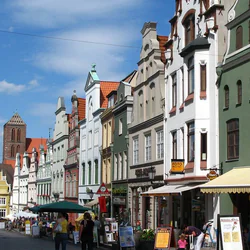
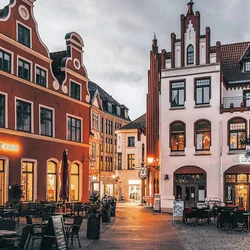
A few years after the fall of the Wall, Wismar was accepted into the prestigious federation of UNESCO World Heritage Sites, in the same rank as the Great Barrier Reef and others, thanks to its many buildings in the style. Gothic and renaissance in the center of town. The beautiful fisherman town and its beautiful beaches and forests have become a favorite with students (Wismar has a college of technology, business & design that focuses on excellence) and guests alike. travel from all over the world.
- What to see and do in Wismar?
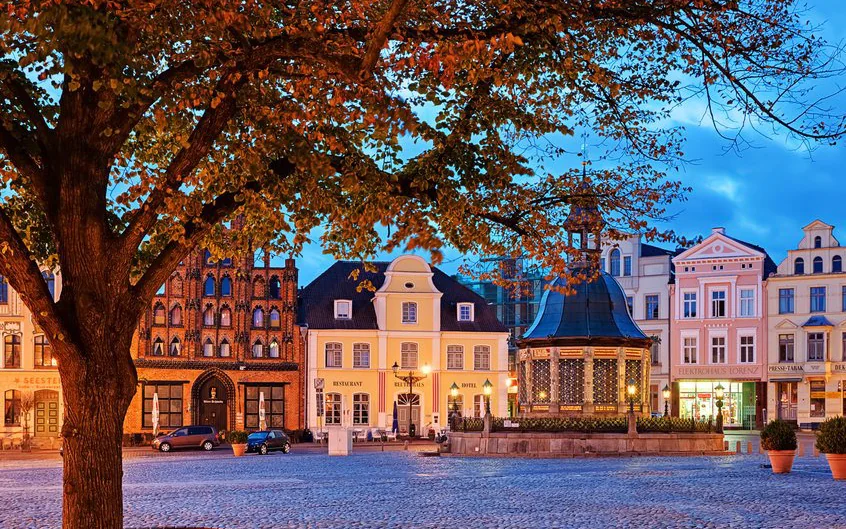
- Town Hall & Central Market Square (Rathaus & Market Place): This is Wismar's central market square. With an area of 10,000 square meters, it becomes one of the largest in northern Germany. To the north of the market you will find the town hall. The current building is a reconstruction done between 1817 and 1819, but it uses the style of the original gothic architecture, especially in the cellars. In Wismar's City Hall vaults, there is a permanent exhibition for those who want to learn about the history of the city.
- Ancient Well (Wasserkunst, Am Markt): “Wasserkunst” was an ancient well that supplied the town with water until 1897. Its name literally means “water art”, built between 1580 and 1580. 1602 according to the Dutch design. Inscriptions on the well can be found in Latin and German.
Gothic Churches: Wismar's Gothic architecture can be seen in the town's churches. First, the church of St Nikolai dates from the 14th century. It is being restored since one of the towers collapsed but it is still an interesting sight to see. Next, the Heiligen-Geist-Kirche is a rectangular Gothic church from the 15th century. The main feature of the church is the painted wooden ceiling depicting scenes from the old site. Finally, St Georgen Kirchhof is one of Wismar's main churches and a great example of gothic architecture. It has existed since the 13th century and is even used to host concerts and cultural events.
- Water Gate (Wassertor, Speigelberg/ Am Hafen): Known as the "Water Gate", this is the last remaining of the five medieval gates that guarded the city, connected to a 4 meter high wall. It dates back to the 1450s, but it was rebuilt in the 17th century.
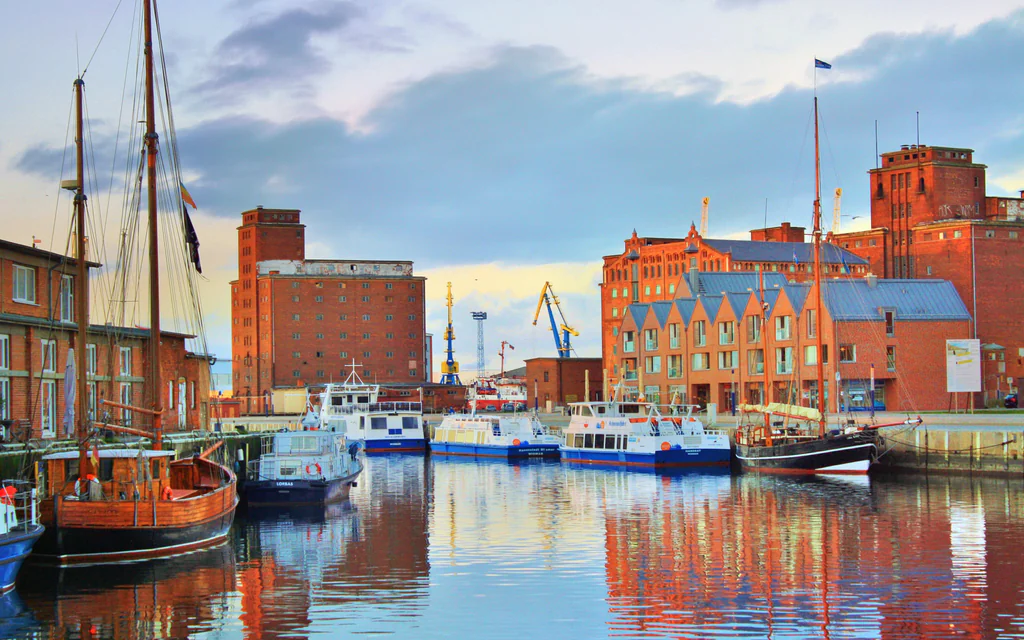
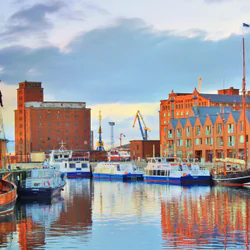
- Bamhaus, Alter Hafen: Located on the old harbour, this house is named after the tree trunks that were used to block the entrance to the harbor at night, or when the city was under attack. Two Swedish statues outside stood guard at the door. Today, the house has various exhibits to learn about the history of Wismar.
- Events in Wismar?
- March: Wismar . Herring Festival
- June: Wismar . Port Festival
- August: International Street Theater Festival boulevArt & Swedish Festival Wismar
- December: Wismar . Christmas Market
- How to get to Wismar?
- By train (about 1 hour 58 minutes): Take a train from Hamburg Hbf station to Schwerin Hbf station (about 53 minutes), then, every hour at Schwerin station, there will be a direct train to Wismar (about 32 minutes). )
- By bus (approximately 2 hours and 10 minutes): at 10:00, get on bus 249 bound for Greifswald, then board bus N1386 bound for Gdansk. Contact info@flixbus.de
- By car (approximately 1 hour 13 minutes): There are two main Autobahn routes to Wismar. The A14 connects to the A20 at Kreuz Wismar. If traveling from Lubeck or Schleswig-Holstein, you will exit before Kreuz Wismar at Wismar Sud on the A20. If traveling west from Greifswald, Rostock or Stralsund, you can leave at either junction