


See all results for ""

 Anytime
 Tiếng ViệtEnglish
 日本語
日本語 한국어
한국어 简体中文
简体中文 Français
 Deutsch
 Español
 Italiano
 Русский


 Login for Corporates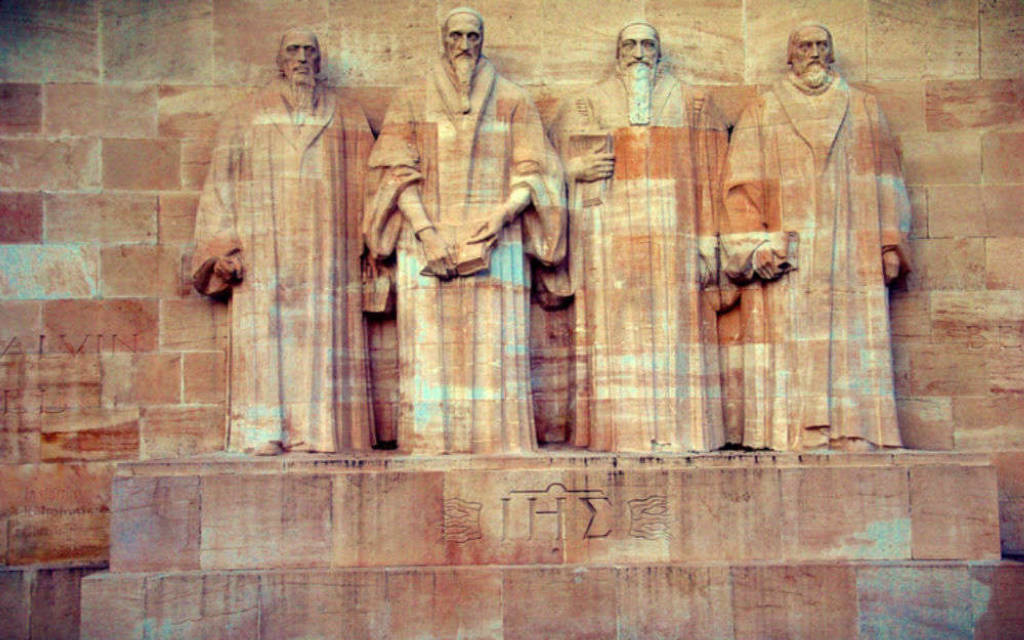
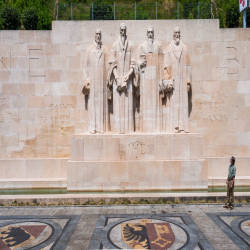
Mur de la Reformation (Wall of Reformation)
 Prom. des Bastions 1, 1204 Genève, Switzerland
“Built into the old city wall, colossal statues and reliefs of the leaders of the Protestant Reformation in Europe”
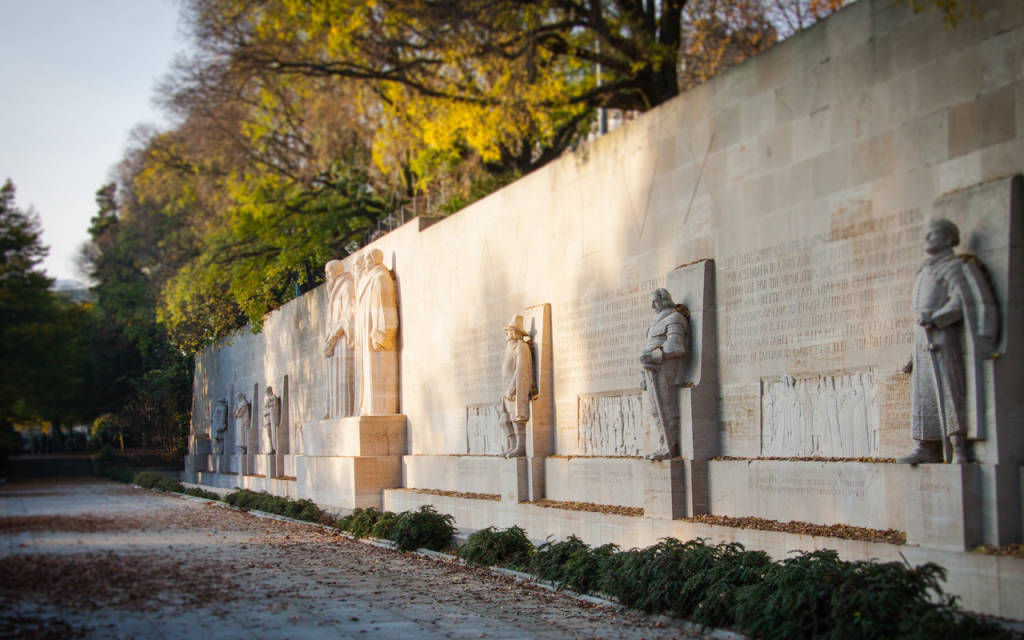
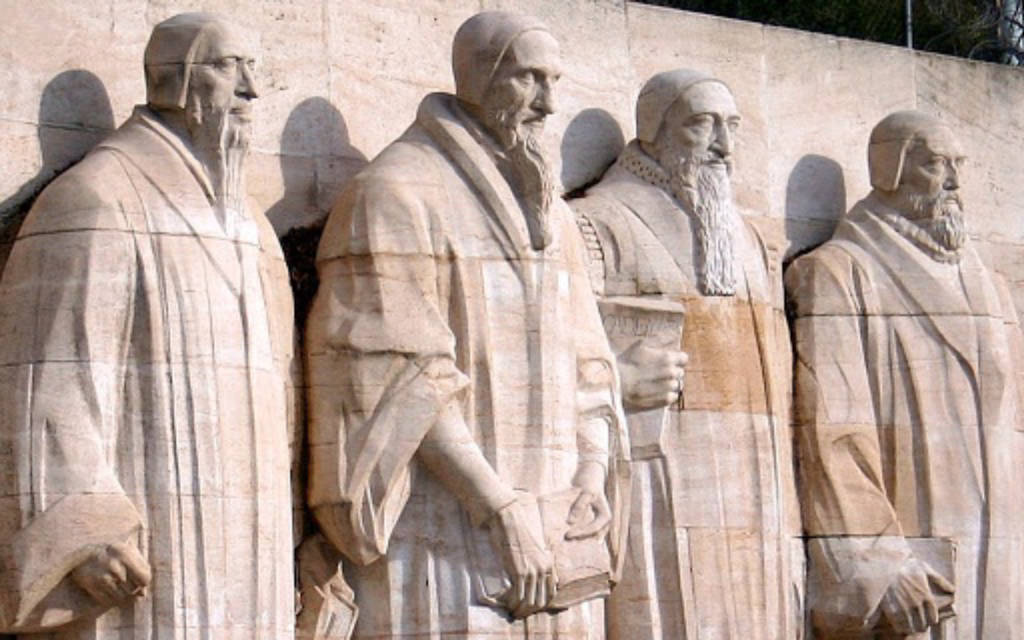
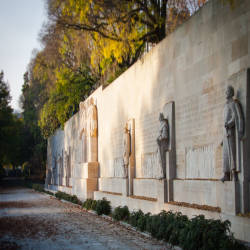
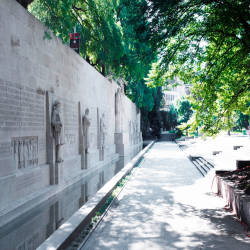
The Reform Wall is located near the Place de Neuve, in a truly beautiful park, Europe's most important reformers are honored with four colossal statues, a reminder to the people of Geneva of the important role they play. importance of religion in the history of religions.
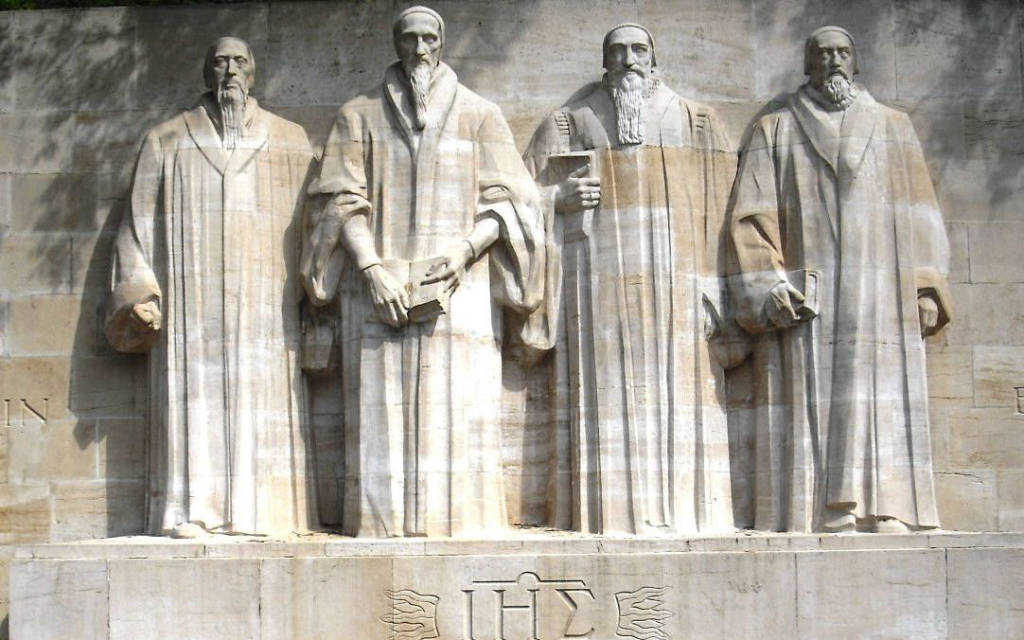
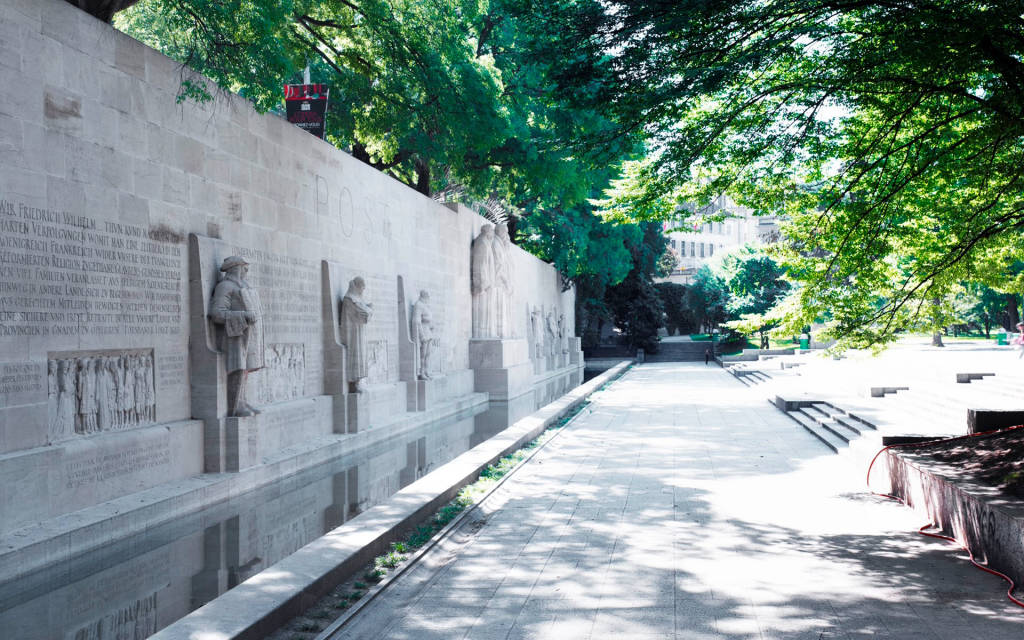
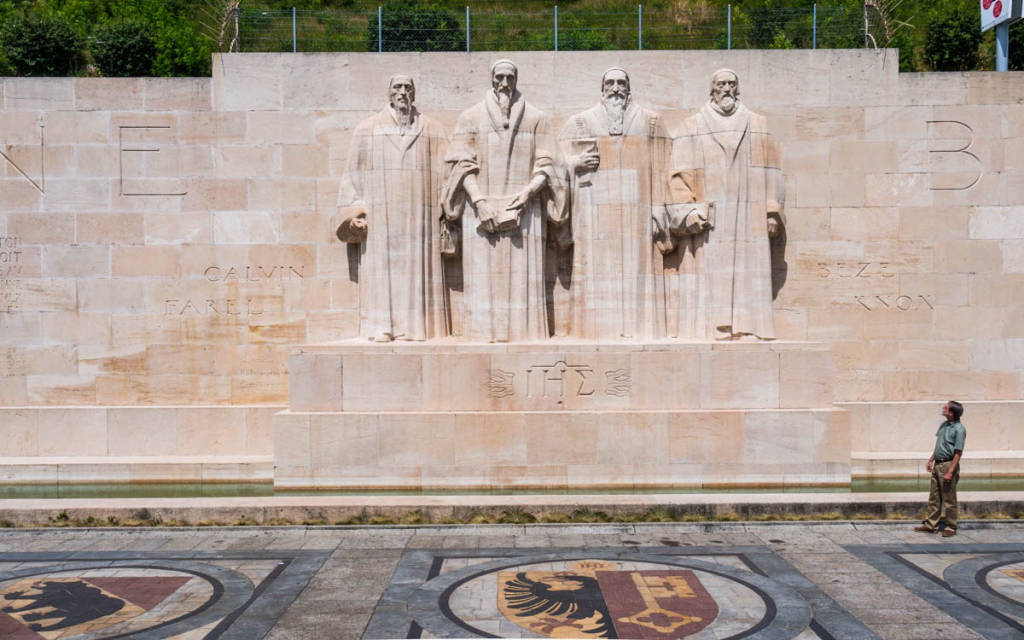
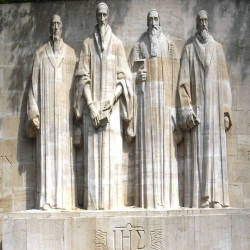
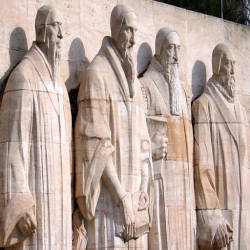
The massive wall (99 meters long, 9.1 meters high) dominates the large Parc des Bastions and focuses on the nearly 4.6 meter tall statues of the four luminaries in Geneva:
-William Farel (1489 – 1565): founder of the Reformed Church in Neuchâtel, Berne, Geneva and Vaud in Switzerland. He worked with John Calvin to train missionaries throughout Europe.
John Calvin (1509 - 1564): greatly influenced Presbyterian doctrine and Reformed theology. He began the "Theological System" with his book on religions and Christianity. John Calvin wrote one of the greatest sets of biblical commentaries of his time. He trained and sent missionaries throughout Europe.
Theodore Beza (1519 - 1605): he was a disciple of John Calvin and later became John Calvin's successor in Geneva. He continued to spread the word of reform in France.
-John Knox (c.1512 - 1572): he studied under John Calvin after being declared an outlaw by Queen "Bloody" Mary of England. He later founded the Presbyterian Church in Schotland.
The Reform Wall, located on the campus of the University of Geneva, was founded by the famous French theologian, pastor and reformer Jan Kalvin, and built to commemorate the 400th anniversary of Kalvin's birth and the anniversary of Kalvin's birth. 350th anniversary of the founding of the university. It was built into the ancient walls of Geneva, of integral importance to the Reformation.
The four Geneva Reformers are surrounded by smaller statues of major Protestant figures, reliefs and inscriptions. One of the reliefs shows Roger Williams and the pilgrim fathers praying on the deck of the Mayflower; Another relief shows the 1689 Bill of Rights to King William of Orange by the British Parliament.
At the top of the monument is the inscription "Post Tenebras Lux", which in Latin means "After darkness, there is light".
Address: Prom. des Bastions 1, 1204 Geneva