


See all results for ""

 Anytime
 Tiếng ViệtEnglish
 日本語
日本語 한국어
한국어 简体中文
简体中文 Français
 Deutsch
 Español
 Italiano
 Русский


 Login for Corporates
What to Eat in Japan? Discover 7 Iconic Summer Restaurants
Traveling to Japan is not only a journey to explore famous landmarks but also an opportunity to immerse yourself in a sophisticated culinary world, perfect in aroma – color – taste. Finding the right Japanese restaurant, understanding the local food culture, and knowing how to book a Japanese restaurant in advance are key factors in making your trip truly complete.
1. Criteria for selecting Japanese eateries and restaurants
During the process of selecting Japanese eateries and restaurants to recommend to our "fellow travelers," Tatinta Travel Platform prioritizes several criteria to ensure the quality of suggestions and bring you memorable culinary experiences:
Food quality: Rich flavors, fresh ingredients, elaborate preparation, or a unique identity.
Uniqueness and creativity: Featuring fresh combinations and a desire to bring unforgettable experiences to customers (combining tradition and modernity, having meals in the style of Japanese kaiseki restaurants (high-end traditional cuisine), having omakase (chef suggests dishes instead of guests)...)
Restaurant space: Clean, welcoming, with a clear traditional or modern style.
Reasonable prices: Depending on the restaurant segment (budget, mid-range, or high-end), the price must be commensurate with the experience.
Dedicated service: Friendly, knowledgeable, and supportive in adapting to tourists.
Good reviews: Based on actual user reviews, aggregated from many sources (Google, Blogs, Websites, or even under the websites of restaurants and eateries).
Convenient location: Near train stations, the center, or easily accessible.
2. Introduction to Japanese culinary culture
2.1. Nagashi Somen (Cold flowing noodles)
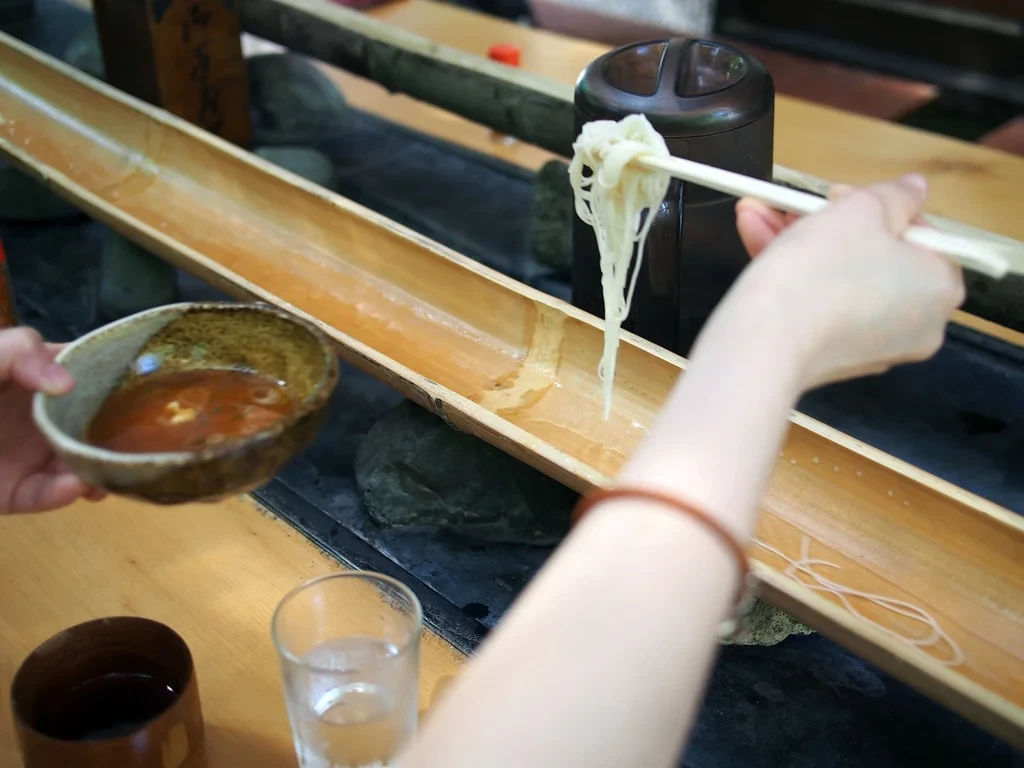
Bamboo-slide noodles—catching them at the right time is part of the fun!
Nagashi Somen is a traditional Japanese cold noodle dish, usually enjoyed in the summer. Somen noodles are released to float down cold water in bamboo pipes, and diners use chopsticks to catch the noodles as they float by. The experience is not only refreshing but also interesting and deeply characteristic of Japanese summer. This dish is usually eaten with tsuyu dipping sauce – a type of soy sauce mixed with dashi and mirin, creating a refreshing and rich flavor. When eating, people add seasonings such as green onions, grated ginger, grated white radish, or a bit of wasabi to the dipping sauce to enhance the flavor. Besides, you can enjoy it with side dishes like tempura (crispy fried vegetables or shrimp), tororo (pureed mountain yam), dried seaweed, roasted sesame, or even soft-boiled eggs. The combination of cold noodles and crispy, fatty, or nutty side dishes brings a harmonious and attractive meal during hot summer days.
2.1.1. Hana-no-omotenashi – Choseikan Restaurant (Saitama)
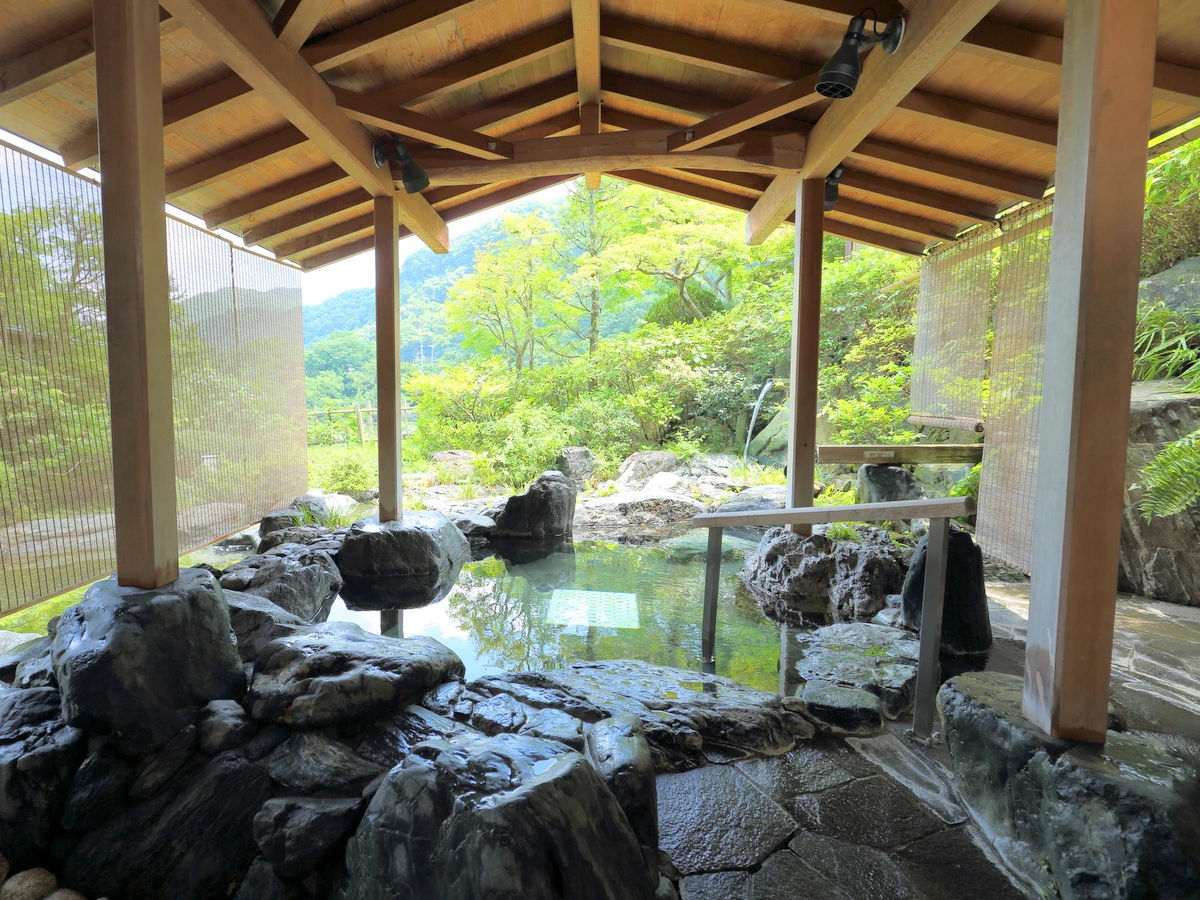
A space filled with the breath of nature is the best healing therapy
Description: (長瀞・長生館の流しそうめん) Experience eating Nagashi Somen in bamboo pipes amidst the majestic nature of Nagatoro, combining mountain climbing activities and relaxation. Unlimited servings, reasonable price, no reservation required.
Address: 449 Nagatoro, Nagatoro-machi, Chichibu District, Saitama 369-1305.
Opening hours: 7:00 – 21:00 (Nagashi Somen season from April 27 to September 30, 2024, open most days of the week).
Reference price: 1,000 – 1,200 yen/serving.
How to get there: From Tokyo, take the Chichibu-tetsudo train to Nagatoro station, then walk for 3 minutes.
Google Rating: 4.0/5 ⭐
2.1.2. Chayakado Restaurant (Kamakura)
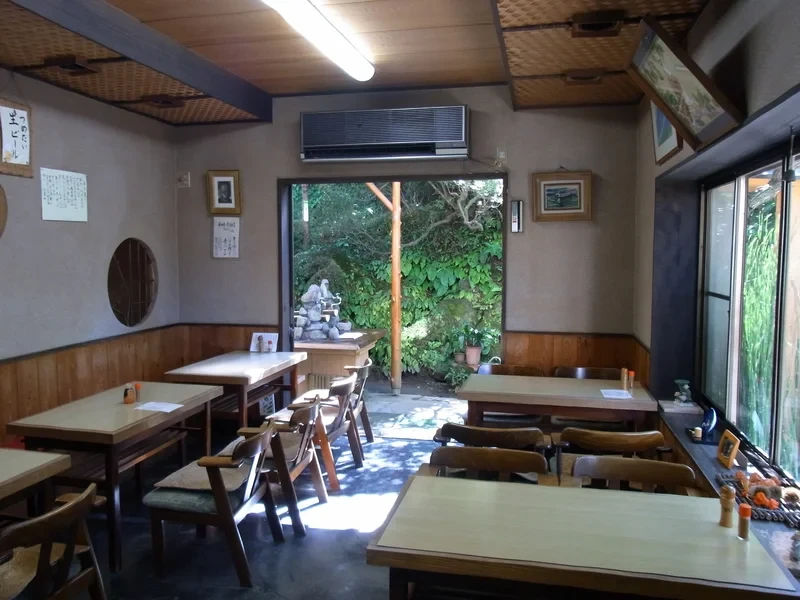
A small restaurant hidden in the green forest in Kamakura
Description: (茶屋かど) Hidden in the fresh green forest in Kamakura, Chayakado is an ideal place to experience Nagashi Somen – unique bamboo-flowing noodles – in spring and summer (from March to October). Open space, close to nature, bringing a relaxing feeling like a picnic in the middle of the forest.
Address: 1518 Yamanouchi, Kamakura, Kanagawa 247-0062, Japan. (Only operates from April to the end of October every year).
Opening hours: Monday - Sunday: 10:00–16:30
Reference price: 1,280 yen/serving
How to get there: From Kita-Kamakura station (JR Yokosuka Line), walk for about 10–12 minutes
Google Rating: 3.8/5 ⭐
*Note: Cash only; credit cards or electronic payments are not accepted.
2.2. Sushi
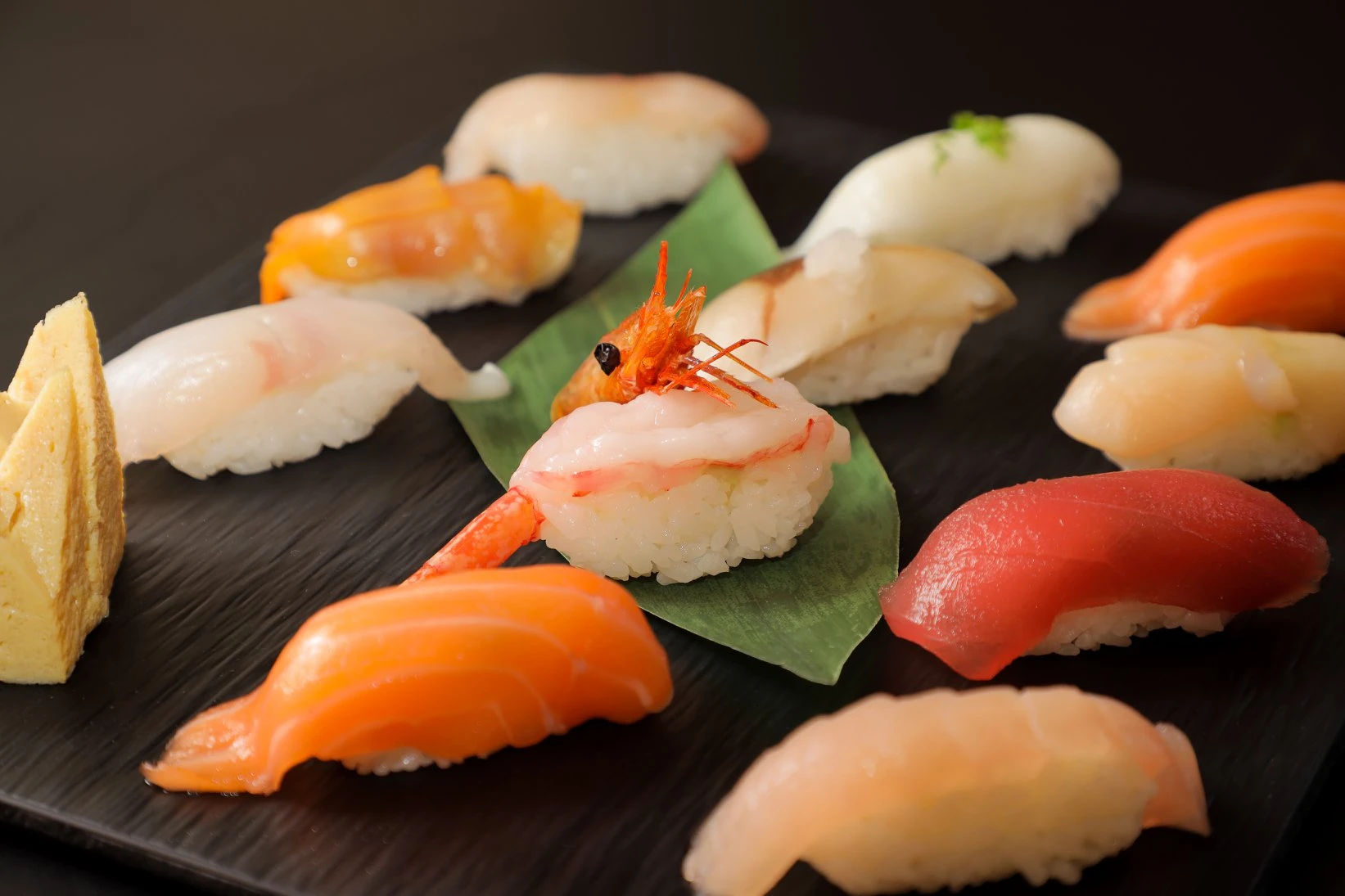
Sushi - The Japanese art of rice shaping and food presentation
Sushi is a famous traditional Japanese dish consisting of vinegared rice combined with ingredients such as fresh seafood, vegetables, or eggs. Sushi rice is seasoned with rice vinegar, sugar, and salt to have a harmonious sweet and sour taste. There are many different types of sushi such as nigiri (pressed rice topped with fish), maki (seaweed rolls), or temaki (hand-rolled sushi). Sushi is not only attractive in flavor but also emphasizes sophistication in presentation. This is a Japanese culinary symbol loved all over the world.
2.2.1. Ginza Sukiyabashi Jiro Restaurant (Tokyo)
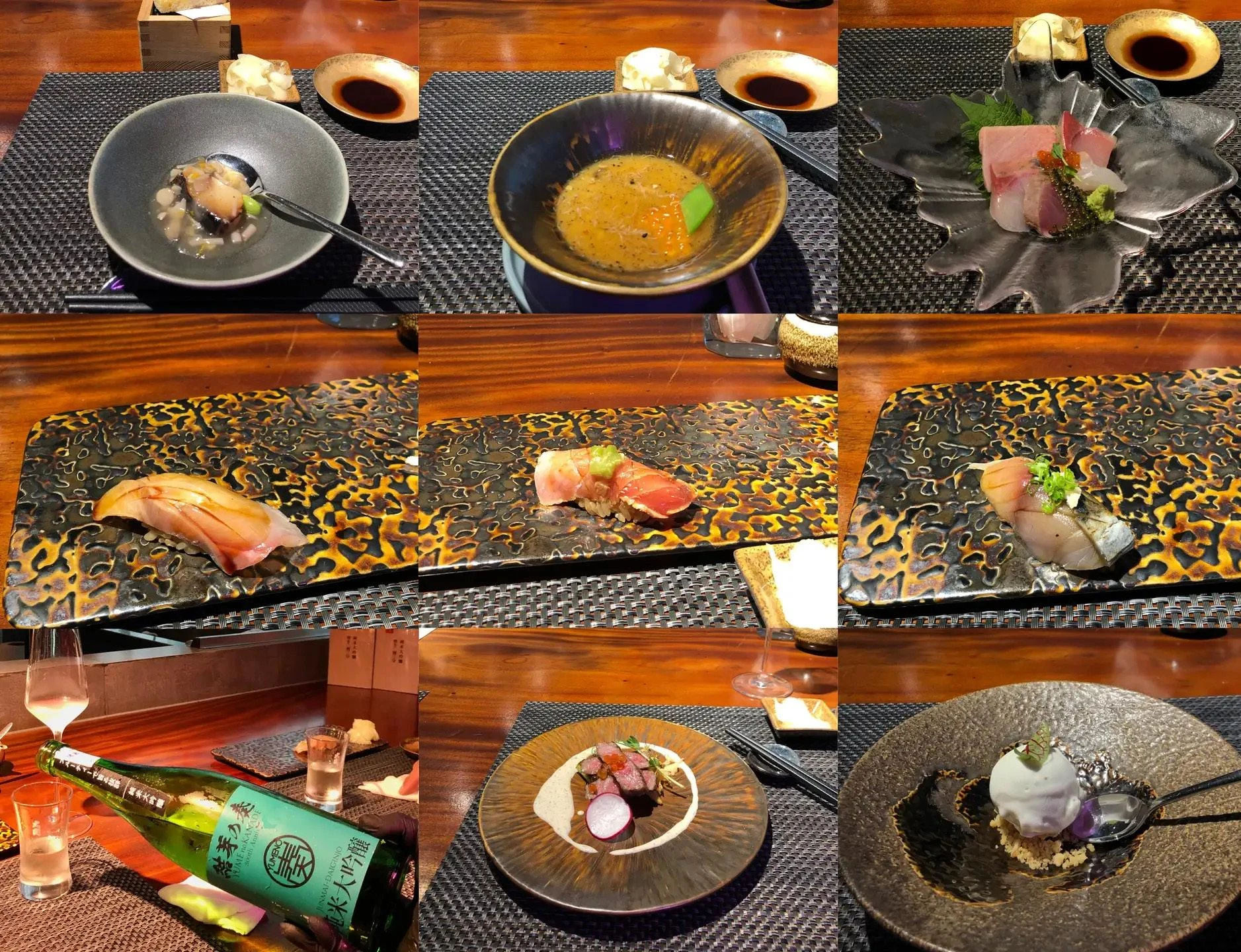
Deserving to be one of the 3-star Michelin restaurants in Japan with extremely meticulous food decoration
Description: (東京・銀座 すきやばし次郎) This is one of the 3-star Michelin Japanese sushi restaurants, famous for chef Jiro Ono who is known as the "God of Sushi," serving delicate, diverse seasonal sushi omakase, a high-end experience with seating facing the kitchen. The menu is also very diverse and has dishes prepared according to the season.
Address: 4-2-15 Tsukamoto Sogyo Building, B1F, Ginza, Chuo, Tokyo.
Opening hours:
Monday - Friday: 11:30–14:00, 17:30–20:30.
Saturday: 11:30 - 14:00.
Sunday: Closed
Reference price: From 30,000 yen upwards for an omakase meal
How to get there: 1-minute walk from exit C6 of Ginza station (Tokyo Metro)
Google Rating: 3.9/5 ⭐
2.2.2. Udatsu Sushi Restaurant (Tokyo)
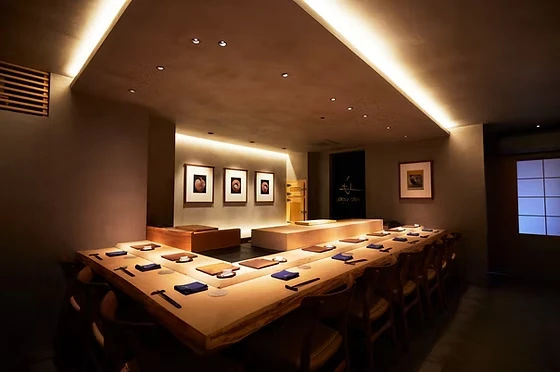
Luxurious, private space creates a different sushi-tasting experience
Description: A famous Japanese sushi restaurant with a quiet space, chefs choose fresh ingredients from Toyosu market, combining tradition and creativity. There are private rooms and counter seats.
Address: 2 Chome-48-10 Kamimeguro, Meguro City, Tokyo 153-005.
Opening hours:
Monday - Friday: 12:00 - 14:00, 18:00 - 23:00.
Saturday, Sunday, holidays: 11:00 - 15:00, 18:00 - 23:00.
Reference price: 15,000 – 40,000 yen.
How to get there: 5-minute walk from Nakameguro station.
Google Rating: 4.4/5 ⭐
2.2.3. Kura Sushi Restaurant Chain
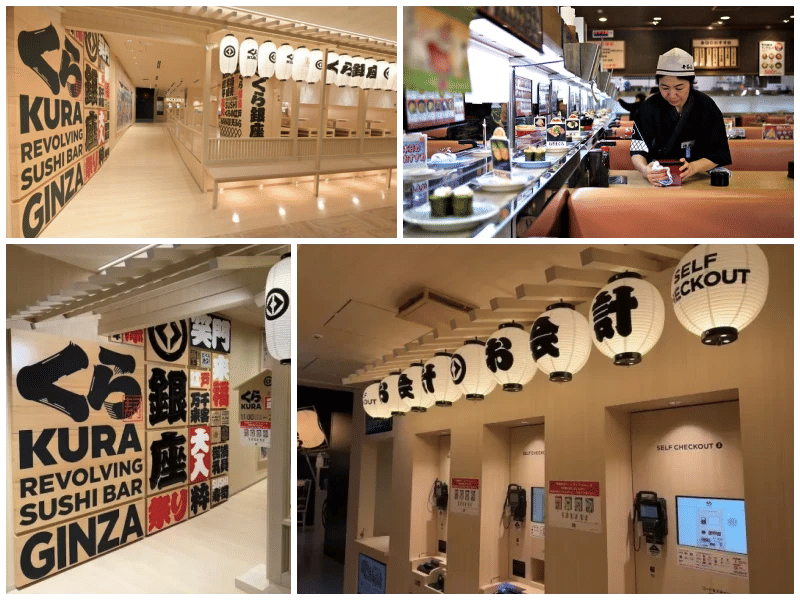
Extremely unique interior decoration of the conveyor-belt sushi chain
Description: Cheap conveyor-belt sushi (~100 yen/dish) with a traditional Japanese space. The special feature of Kura is the extremely "photogenic" interior design; coming to Kura Sushi, you can not only enjoy the most delicious sushi dishes but also surely get many beautiful photos. Understanding the psychology of international tourists who are hesitant about the language barrier, Kura's ordering board is multi-language, has QR codes, and menus can be viewed on smartphones; additionally, there are staff who know foreign languages. As it is a large chain of stores, it has a variety of international payment methods, which will surely make your experience most complete.
Address: about 540 branches throughout Japan, easily found in large cities such as Tokyo, Osaka, Nagano, Kyoto, Yokohama, Fukuoka, and many other provinces.
Opening hours: Monday – Sunday: 11:00 – 23:00 (depending on branch).
Reference price: 120 - 150 yen/plate (significantly cheaper than other chains like SushiZanmai or Sushiro).
How to get there: Near Asakusa station, easy to walk to.
Google Rating: ~4.0/5 ⭐
2.3. Cold soba noodles
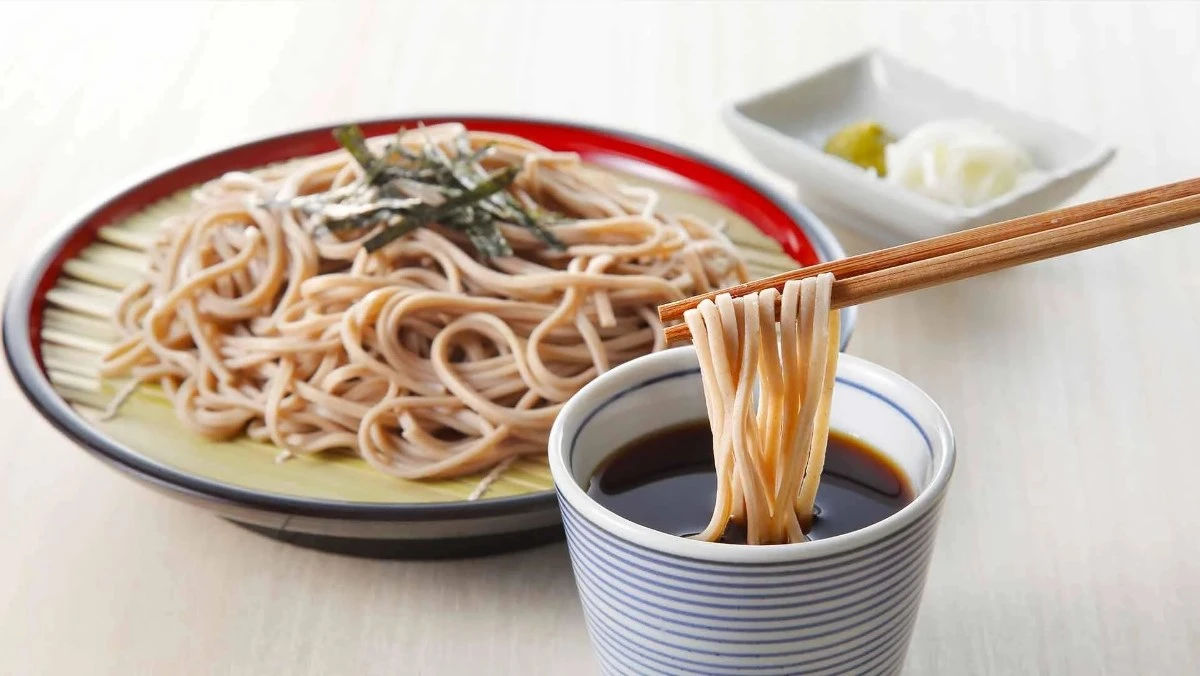
Cold soba noodles are usually eaten with tsuyu dipping sauce made from soy sauce, dashi, and mirin
Cold soba noodles is a traditional Japanese noodle dish made from buckwheat flour and served after being cooled or chilled. The noodles are usually eaten with tsuyu dipping sauce – mixed from soy sauce, dashi, and mirin. When eating, diners dip the noodles into the sauce and enjoy them with green onions, grated ginger, or seaweed. Cold soba is popular in the summer because it helps cool down and is easy to digest. Some notable variations include zaru soba (presented on a bamboo tray) and sudachi soba (eaten with Japanese lime).
2.3.1. Saryo Tesshin Restaurant (Kyoto)
Cold soba noodles to cool down in the Japanese summer
Description: A traditional soba noodle restaurant in a Kyoto house over 100 years old, serving specialty soba dishes and traditional Japanese sweets. Hidden in a sophisticated and quiet space, "Soba Master's Breakfast" is a high-end culinary experience, only serving a limit of 20 guests per day by prior reservation. Breakfast is prepared and served directly by leading soba artisans, deeply imbued with the spirit of "washoku" – balance and harmony in Japanese cuisine.
Address: 321-2 Shinnyodocho, Nakagyo Ward, Kyoto 604-0853.
Opening hours:
Monday, Tuesday, Friday, Saturday: 08:00 - 16:00, 17:00 - 21:00.
Wednesday: Closed.
Thursday: 11:00 - 16:00, 17:00 - 21:00.
Reference price: 2,000 – 3,000 yen.
How to get there: 3-minute walk from Marutamachi station.
Google Rating: 4.6/5 ⭐
*Note: Need to book before 7:00 PM the previous day, need to book on the same day via phone.
2.3.2. Dashin Soan Restaurant (Tokyo)
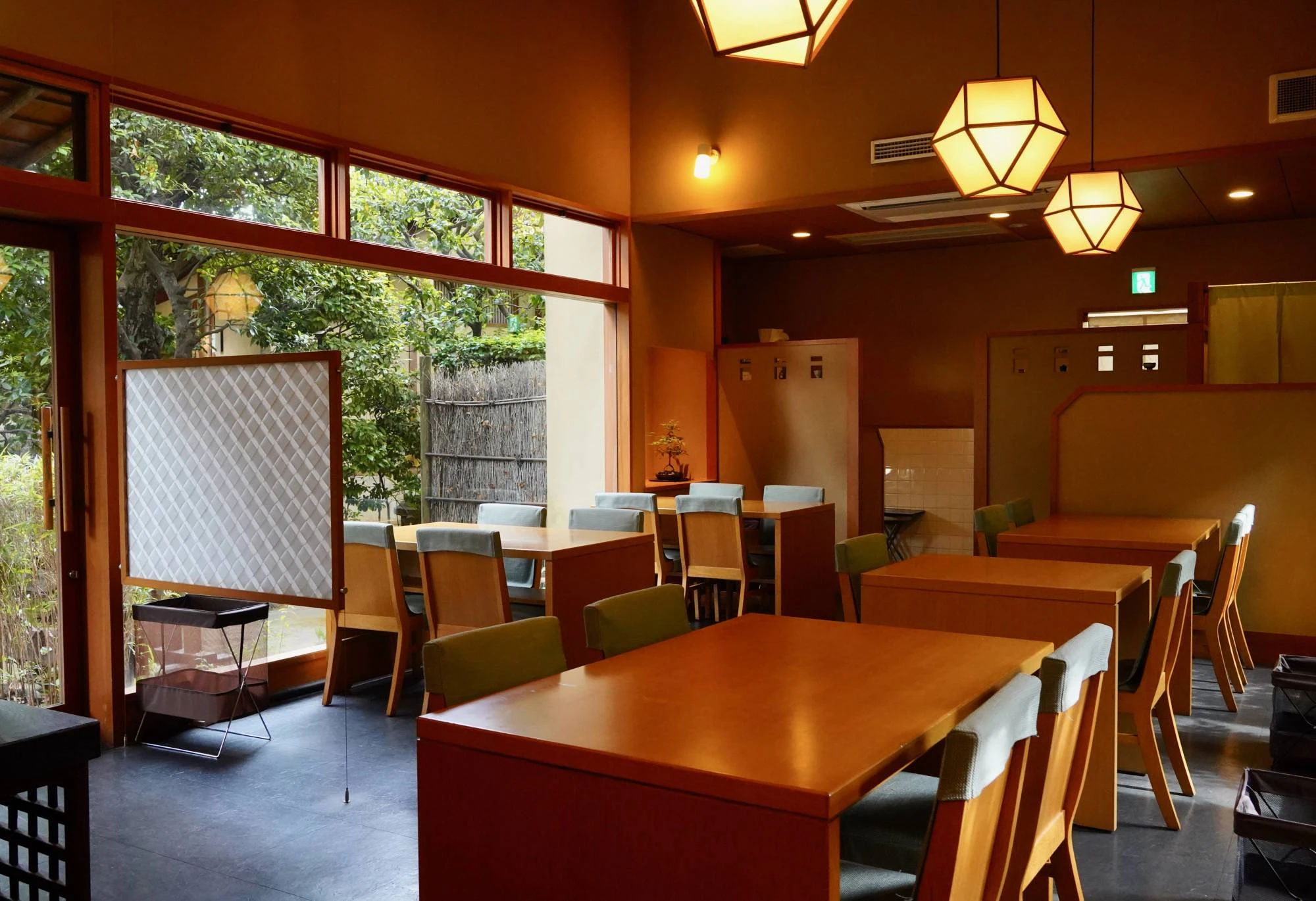
Space inspired by traditional Japanese houses creates a cozy feeling when enjoying a bowl of handmade noodles
Description: A cozy space inspired by traditional Japanese houses, featuring yuba soba and soba dishes served with characteristic dashi broth. Dashi Soan brings a rustic and relaxing culinary experience that is truly local. The restaurant space is designed to be cozy and quiet with a small green garden right on the premises, helping diners fully feel the serenity in every dining moment.
Address: 3 Chome 7-14 Daizawa, Setagaya, Tokyo.
Opening hours: 11:30 – 21:00
Reference price: 1,000 – 3,000 yen
Google Rating: 4.3/5 ⭐
2.3.3. Kotohogi Restaurant (Nagoya)
Description: Hand-pulled soba noodles using buckwheat flour from Nagano and Hokkaido, featuring Sudachi Soba and Kaka Soba, combined with sake.
Address: 2 Chome−1−28 Viare Storia 2A-2, Higashi Ward, Nagoya, Aichi
Opening hours: 18:00 – 00:00 (closed Wednesday)
Reference price: About 10,000 yen
Google Rating: 4.5/5 ⭐
2.4. Curry rice
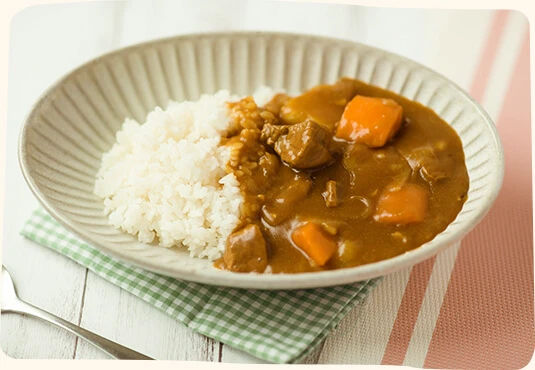
Curry rice often appears in Japanese movies
Curry rice (カレーライス – kare raisu) is a popular daily dish in Japan, consisting of white rice served with a thick curry sauce. Japanese curry is usually cooked with meat (beef, chicken, or pork), potatoes, carrots, and onions, with a mild sweet taste and less spiciness than Indian curry. Curry sauce can be added with cheese, soft-boiled eggs, or tonkatsu (breaded fried meat) to enhance the flavor. This dish is easy to eat, suitable for all ages, and available in everything from budget eateries to large restaurants. This is one of the "comfort foods" most loved by Japanese people.
2.4.1. 100 Hours Curry Restaurant Chain (Kawasaki)
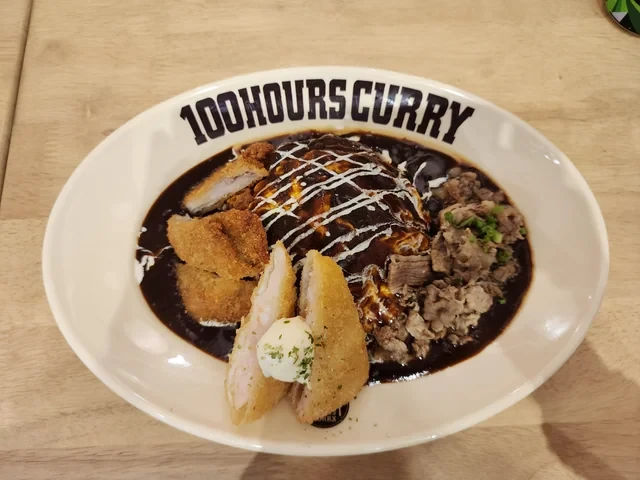
Not only affordable prices and great taste, but the presentation is also emphasized by the chain
Description: 100 HOURS CURRY is an extremely popular curry rice chain that has won 1st prize twice at the Kanda Curry Grand Prix competition. The sauce here is stewed and aged for 100 hours, creating a rich, smooth, and deep flavor. Each serving consists of rice and a silver cup containing separate sauce for you to pour yourself, enhancing the experience. Meticulous presentation, famous flavor but fast service and affordable price. This is an ideal destination for curry fans when traveling to Japan.
Address: 3 Chome-1135-1 Shinmarukohigashi, Nakahara Ward, Kawasaki, Kanagawa 211-0004 (suggested Kawasaki branch).
Opening hours: 10:00 – 21:00 (depending on branch).
Reference price: 1,000 – 2,000 yen
Google Rating: 4.2/5 ⭐
2.4.2. Joutou Curry Restaurant Chain
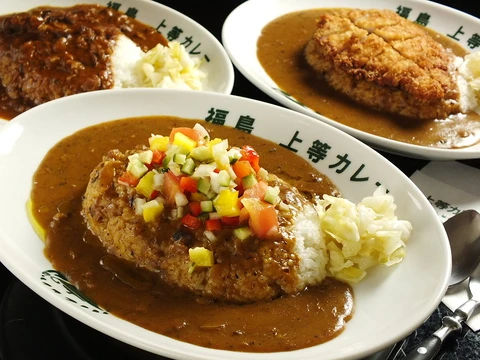
Hard to resist the legendary "first-class" curry plate
Description:JOUTOU CURRY (上等カレー) is a famous curry rice chain originating from Osaka, which won 1st prize at the Kanda Curry Grand Prix 2015, surpassing more than 400 competitors. The name "Joutou" means "high-grade curry," and indeed, from the plate to the presentation, everything exudes meticulousness and luxury. The curry here is flavorful, aromatic, and highly rated not only for its taste but also for its visual experience. This is an ideal destination if you want to taste a curry plate that is both delicious and "very Japanese."
Address: (depending on branch)
Opening hours: 1:00 – 22:30 (open daily, closed for New Year) (depending on branch).
Reference price: 1,000 – 1,999 yen
Google Rating: ~4.0/5 ⭐
*Note: Credit cards are not accepted; payment by cash or QR code
2.5. Grilled Eel (Unagi)
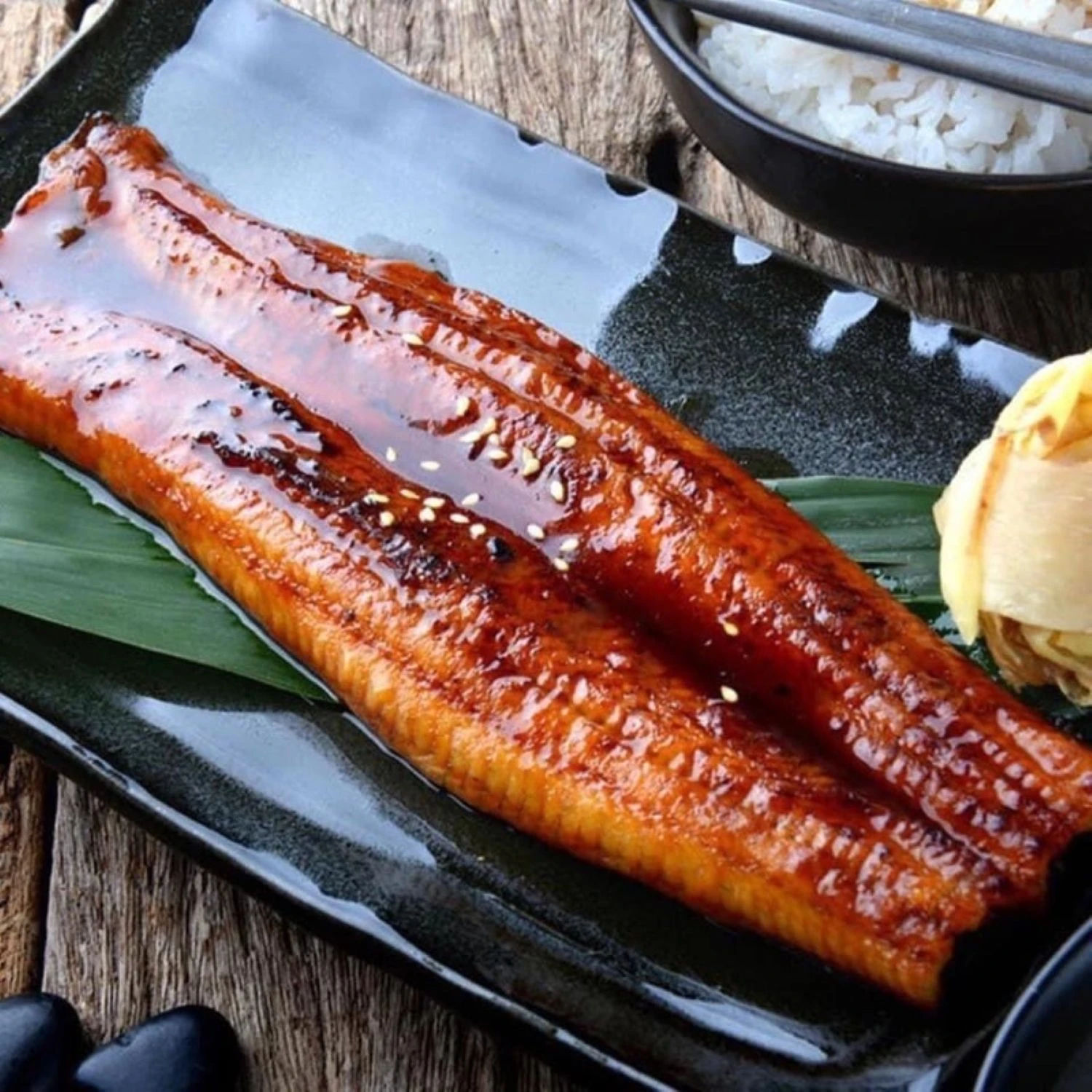
Grilled eel is soft, fatty, and melts sweetly, covered with a shiny layer of tare sauce
Grilled eel (Unagi) is a high-end traditional Japanese dish prepared from freshwater eel grilled on charcoal and covered with a rich sweet and salty tare sauce. After being grilled, the fish has a light crispy skin, soft fatty meat, and an attractive aroma. Unagi is often eaten with white rice in unadon (unagi rice bowl) or unaju (luxury square wooden box). This dish is especially popular in the summer because Japanese people believe that eating unagi helps increase energy and cool down. This is an essential part of the long-standing Japanese culinary culture.
2.5.1. Sumiyaki Unafuji Yurakucho Ten Restaurant (Tokyo)
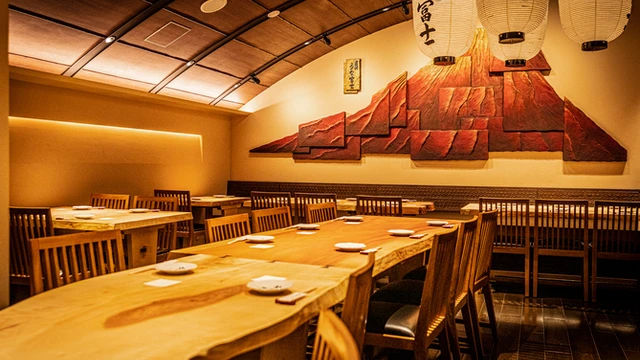
The Unagi restaurant space is full of aesthetics and warmth
Description: A famous unagi restaurant with direct grilling method, crispy skin, soft meat, using rare green eel from Nagoya. There are private rooms and counter seats.
Address: 1 Chome−7−1 H12, Uchisaiwaicho, Chiyoda City, Tokyo
Opening hours: 11:00 – 21:00 daily
Reference price: 5,000 – 6,000 yen/person
How to get there: 3-minute walk from Shinbashi station
Google Rating: 4.4/5 ⭐
2.5.2. Kyogoku Kaneyo (Kyoto)
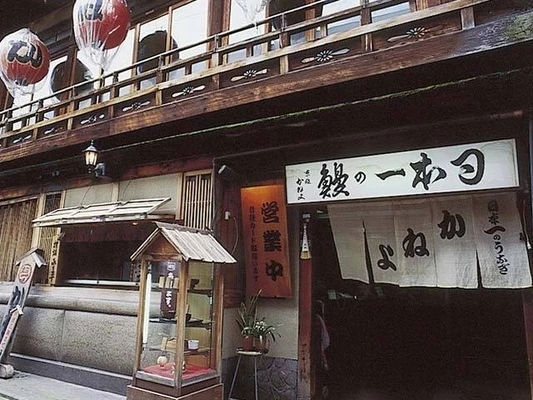
The restaurant possesses an old architecture but is one of the "titans" of the Japanese Unagi world
Description: With a history of more than 100 years, Kyogoku Kaneyo is a restaurant specializing in unagi (grilled eel) in Kyoto. The standout dish is Kinshidon – rice topped with Kanto-style grilled eel and Kyoto rolled egg, creating a unique flavor combining two regions. Ancient space, deeply imbued with Japanese traditions.
Address: 456 Matsugaecho, Nakagyo-ku, Kyoto
Opening hours:
Monday, Thursday – Sunday: 11:30 - 15:30 & 17:00 - 20:30
Tuesday: 11:30 - 15:30.
Wednesday: Closed.
Reference price: ~1,600 - 3,000 yen.
Google Rating: ~4.1/5 stars.
2.6. Ramen
Ramen is a characteristic Japanese noodle soup dish consisting of noodles made from wheat flour served with a rich broth and many types of toppings such as pork (chashu), soft-boiled eggs, seaweed, bamboo shoots, and green onions. Ramen broth is usually stewed from pork bones, chicken, or dried fish, creating characteristic flavor styles such as Shoyu (soy sauce), Miso (bean paste), Shio (salt), or Tonkotsu (stewed pork bones). Each region in Japan has its own ramen style – for example: Sapporo is famous for miso ramen, while Hakata is famous for tonkotsu ramen. Ramen is not only a fast food but also a characteristic cultural feature, elevated by the Japanese into a culinary art.
2.6.1. Kyushu Jangara Akihabara Restaurant (Tokyo)
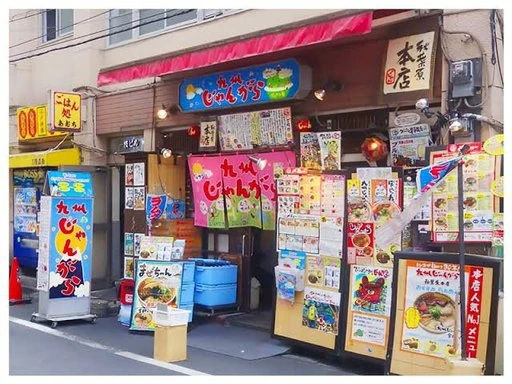
A small, cute Ramen shop as if stepping out of an animated film
Description: If you want to find a ramen shop with a rich soup but not too salty, then Kyushu Jangara Ramen in Akihabara is an ideal suggestion. The shop is known for Kyushu-style tonkotsu ramen, the broth from pork bones is thoroughly stewed but the taste is very gentle and easy to eat. Small, lovely space like a ramen shop stepping out of an animated film, fast service, many choices from traditional ramen to even vegetarian ramen.
Address: Japan, 〒101-0021 Tokyo, Chiyoda City, Sotokanda, 3 Chome−11−6 Ichieda Building 1F.
Opening hours: 11:00 - 21:45 daily
Reference price: 1,000 – 2,000 yen/person
Google Rating: 4.4/5 ⭐
2.7. Sweets (Mochi, matcha ice cream)
2.7.1. Torato (Kyoto)
Soft and chewy mochi covered with sweet wasanbon syrup and cool matcha ice cream
Description: Soft chewy mochi covered with wasanbon syrup is a delicate traditional Japanese dessert, with a smooth chewy mochi layer harmonizing with sweet, elegant wasanbon syrup. Combined with Shiratama matcha ice cream – rich green tea ice cream served with soft round glutinous rice cakes, this dish brings a cool, elegant, and deeply Japanese feeling. This is one of the most loved sweets in the summer, often appearing in tea ceremony shops or traditional restaurants.
Address: Japan, 〒600-8182 Kyoto, Shimogyo Ward, 101-2
Opening hours: 10:00 - 17:00.
Reference price: 500 - 1.000 yen
Google Rating: 4.4/5 ⭐
New Posts